
Observers note that the collapse of political dialogue reflects broader structural issues within the region’s governance framework. Many political parties and civil society groups argue that significant decision-making powers remain concentrated outside the region, leaving local representatives with limited authority to address public concerns
Political unrest in Pakistan-occupied Jammu and Kashmir has once again drawn attention to the region as failed political negotiations and growing public dissatisfaction expose deep-rooted governance and economic challenges. The collapse of recent political talks has intensified public anger and highlighted longstanding grievances related to resource exploitation, political marginalization, economic neglect and the lack of meaningful development. Once projected by Pakistan as a model region, Pakistan-occupied Jammu and Kashmir is increasingly witnessing protests, public demonstrations and demands for accountability from its residents.
For decades, the people of Pakistan-occupied Jammu and Kashmir have argued that despite possessing abundant natural resources, including rivers, forests and minerals, the region has received little benefit from its own wealth. Local communities believe that profits generated from these resources are diverted elsewhere while residents continue to face unemployment, poor infrastructure, inadequate healthcare facilities and limited educational opportunities. This perception of systematic exploitation has become one of the primary drivers of public discontent. The failure of political discussions aimed at addressing these concerns has only deepened frustration among the population.
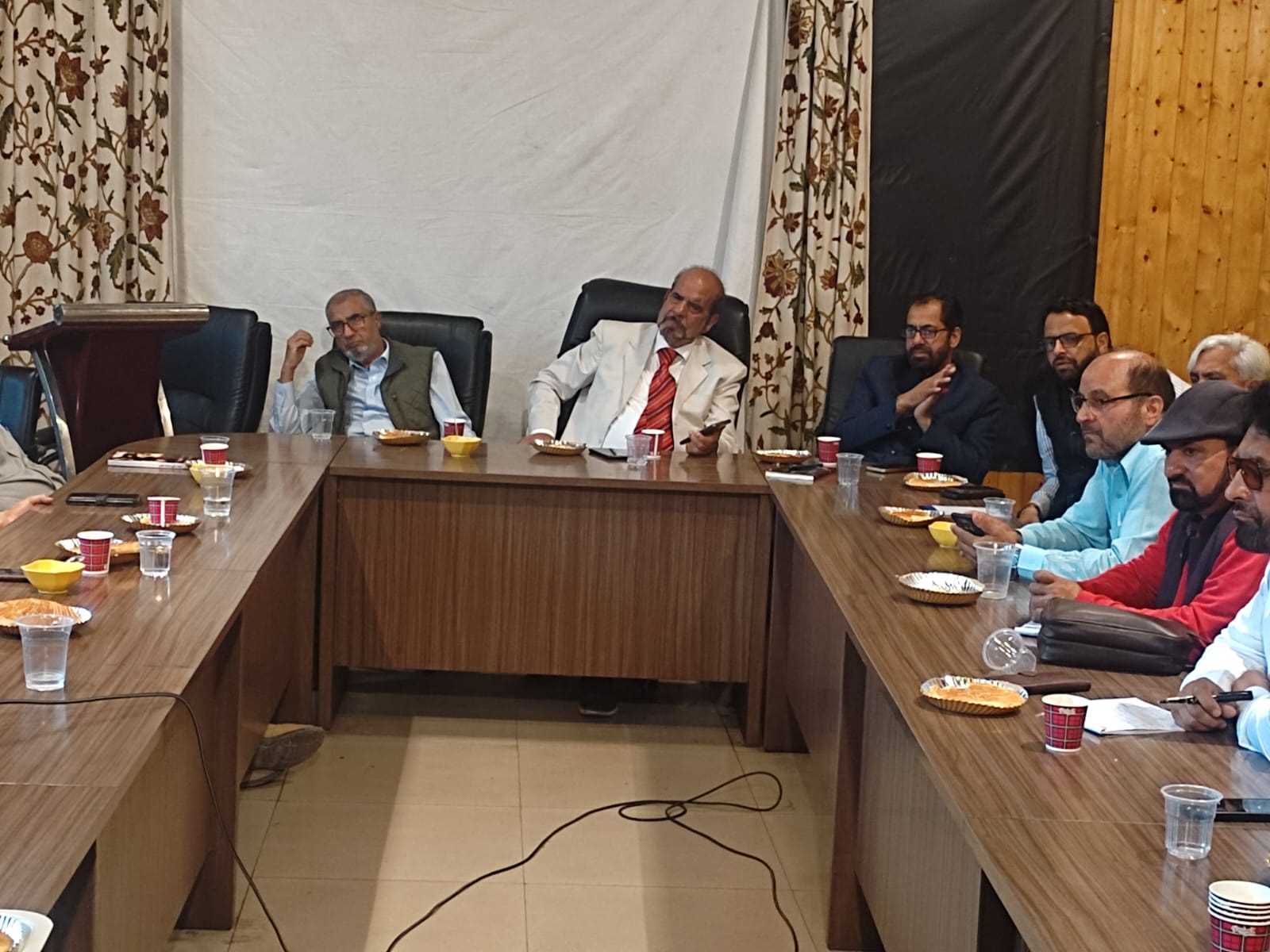
Observers note that the collapse of political dialogue reflects broader structural issues within the region’s governance framework. Many political parties and civil society groups argue that significant decision-making powers remain concentrated outside the region, leaving local representatives with limited authority to address public concerns. This has created a widespread perception of political marginalization, with residents feeling excluded from decisions that directly impact their lives. Consequently, demands for greater autonomy, transparency, accountability and local participation in governance have gained momentum.
Economic challenges have further fueled public dissatisfaction. Rising inflation, increasing costs of essential commodities and widespread unemployment have placed immense pressure on ordinary families. Young people, despite being educated and skilled, often struggle to find meaningful employment opportunities. Many residents believe that the region’s economic potential remains underutilized because policies prioritize external interests over local development. The inability of political negotiations to deliver practical solutions has reinforced the perception that public concerns are being ignored.
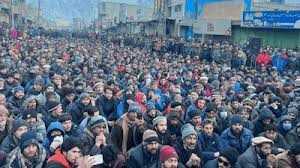
Protests and demonstrations across various parts of Pakistan-occupied Jammu and Kashmir have reflected this growing frustration. Protesters have consistently demanded better governance, economic justice and an end to what they describe as the exploitation of local resources. These movements have attracted support from students, traders, laborers, professionals and civil society activists, demonstrating that dissatisfaction extends across society and reflects a broad demand for reform.
A major source of resentment is the perceived lack of transparency in the management of public funds and development projects. Critics argue that while numerous infrastructure and development initiatives are announced, many fails to produce tangible improvements in the lives of ordinary citizens. Questions regarding accountability, corruption and resource allocation have become central to public discourse. Increasingly, residents are demanding greater oversight of public spending and a more active role in decisions concerning regional development.
The issue of natural resource management remains particularly contentious. Pakistan-occupied Jammu and Kashmir’s rivers contribute significantly to hydroelectric power generation and represent a major economic asset. However, many local communities continue to face electricity shortages, inadequate public services and underdeveloped infrastructure. This contradiction has strengthened allegations that while the region generates substantial economic value, its residents receive only limited benefits. Similar concerns have been raised regarding the extraction and utilization of forests, minerals and other natural resources, reinforcing the narrative of economic exploitation.
Political analysts suggest that the failure of talks reflects a broader crisis of trust between the authorities and the people. Trust is essential for any successful political process and its absence can undermine efforts to achieve stability and development. In Pakistan-occupied Jammu and Kashmir, repeated promises followed by limited implementation have generated widespread skepticism regarding official commitments. Many residents now question whether future negotiations will lead to meaningful change unless accompanied by concrete reforms and genuine public participation.
The youth of Pakistan-occupied Jammu and Kashmir have emerged as one of the most vocal and influential segments of society. Connected through digital platforms and increasingly aware of global political and economic developments, young people are demanding greater opportunities, transparency and participation in governance. Their activism has added momentum to calls for reform and accountability. Youth-led discussions focus on employment, education, economic development and the protection of regional resources while seeking a greater role in shaping the region’s future.
Civil society organizations have also played a crucial role in highlighting public concerns. Through awareness campaigns and advocacy initiatives, these groups have highlighted issues such as economic inequality, unemployment and governance challenges while encouraging greater civic engagement. Their efforts have helped bring local grievances into wider public discussion and strengthened demands for accountable governance.
The international community has periodically monitored developments in Pakistan-occupied Jammu and Kashmir, particularly during periods of heightened protests and political tension. Analysts emphasize that sustainable peace and stability require governance systems that address local concerns and promote transparency, accountability and political participation. The current situation demonstrates the consequences that can arise when these elements are perceived to be lacking.
Despite ongoing challenges, the resilience of the people of Pakistan-occupied Jammu and Kashmir remains evident. Citizens continue to organize peaceful demonstrations, voice their concerns and advocate for reforms aimed at securing a better future. Their determination reflects a strong desire for dignity, justice, equitable development and greater control over regional resources. Many believe that the wealth generated by the region should primarily benefit local communities and contribute to improving living standards rather than serving external interests.
As political talks remain stalled, pressure on the authorities is likely to intensify. Growing demands for transparency, accountability, economic justice and political inclusion cannot be ignored indefinitely. Whether through renewed dialogue, institutional reforms or policy changes, meaningful engagement with public aspirations will be essential to restoring trust and reducing tensions.
The developments unfolding in Pakistan-occupied Jammu and Kashmir serve as a reminder that sustainable governance depends not only on administrative control but also on the confidence and participation of the people. The collapse of political talks has become more than a political setback; it symbolizes the broader struggle of a population seeking recognition of its rights, fair access to its resources and a stronger voice in determining its future. As demands for accountability and reform continue to grow, the region stands at a critical juncture where the decisions taken today will shape its political, economic and social trajectory for years to come.


Observers note that the collapse of political dialogue reflects broader structural issues within the region’s governance framework. Many political parties and civil society groups argue that significant decision-making powers remain concentrated outside the region, leaving local representatives with limited authority to address public concerns
Political unrest in Pakistan-occupied Jammu and Kashmir has once again drawn attention to the region as failed political negotiations and growing public dissatisfaction expose deep-rooted governance and economic challenges. The collapse of recent political talks has intensified public anger and highlighted longstanding grievances related to resource exploitation, political marginalization, economic neglect and the lack of meaningful development. Once projected by Pakistan as a model region, Pakistan-occupied Jammu and Kashmir is increasingly witnessing protests, public demonstrations and demands for accountability from its residents.
For decades, the people of Pakistan-occupied Jammu and Kashmir have argued that despite possessing abundant natural resources, including rivers, forests and minerals, the region has received little benefit from its own wealth. Local communities believe that profits generated from these resources are diverted elsewhere while residents continue to face unemployment, poor infrastructure, inadequate healthcare facilities and limited educational opportunities. This perception of systematic exploitation has become one of the primary drivers of public discontent. The failure of political discussions aimed at addressing these concerns has only deepened frustration among the population.
Observers note that the collapse of political dialogue reflects broader structural issues within the region’s governance framework. Many political parties and civil society groups argue that significant decision-making powers remain concentrated outside the region, leaving local representatives with limited authority to address public concerns. This has created a widespread perception of political marginalization, with residents feeling excluded from decisions that directly impact their lives. Consequently, demands for greater autonomy, transparency, accountability and local participation in governance have gained momentum.
Economic challenges have further fueled public dissatisfaction. Rising inflation, increasing costs of essential commodities and widespread unemployment have placed immense pressure on ordinary families. Young people, despite being educated and skilled, often struggle to find meaningful employment opportunities. Many residents believe that the region’s economic potential remains underutilized because policies prioritize external interests over local development. The inability of political negotiations to deliver practical solutions has reinforced the perception that public concerns are being ignored.
Protests and demonstrations across various parts of Pakistan-occupied Jammu and Kashmir have reflected this growing frustration. Protesters have consistently demanded better governance, economic justice and an end to what they describe as the exploitation of local resources. These movements have attracted support from students, traders, laborers, professionals and civil society activists, demonstrating that dissatisfaction extends across society and reflects a broad demand for reform.
A major source of resentment is the perceived lack of transparency in the management of public funds and development projects. Critics argue that while numerous infrastructure and development initiatives are announced, many fails to produce tangible improvements in the lives of ordinary citizens. Questions regarding accountability, corruption and resource allocation have become central to public discourse. Increasingly, residents are demanding greater oversight of public spending and a more active role in decisions concerning regional development.
The issue of natural resource management remains particularly contentious. Pakistan-occupied Jammu and Kashmir’s rivers contribute significantly to hydroelectric power generation and represent a major economic asset. However, many local communities continue to face electricity shortages, inadequate public services and underdeveloped infrastructure. This contradiction has strengthened allegations that while the region generates substantial economic value, its residents receive only limited benefits. Similar concerns have been raised regarding the extraction and utilization of forests, minerals and other natural resources, reinforcing the narrative of economic exploitation.
Political analysts suggest that the failure of talks reflects a broader crisis of trust between the authorities and the people. Trust is essential for any successful political process and its absence can undermine efforts to achieve stability and development. In Pakistan-occupied Jammu and Kashmir, repeated promises followed by limited implementation have generated widespread skepticism regarding official commitments. Many residents now question whether future negotiations will lead to meaningful change unless accompanied by concrete reforms and genuine public participation.
The youth of Pakistan-occupied Jammu and Kashmir have emerged as one of the most vocal and influential segments of society. Connected through digital platforms and increasingly aware of global political and economic developments, young people are demanding greater opportunities, transparency and participation in governance. Their activism has added momentum to calls for reform and accountability. Youth-led discussions focus on employment, education, economic development and the protection of regional resources while seeking a greater role in shaping the region’s future.
Civil society organizations have also played a crucial role in highlighting public concerns. Through awareness campaigns and advocacy initiatives, these groups have highlighted issues such as economic inequality, unemployment and governance challenges while encouraging greater civic engagement. Their efforts have helped bring local grievances into wider public discussion and strengthened demands for accountable governance.
The international community has periodically monitored developments in Pakistan-occupied Jammu and Kashmir, particularly during periods of heightened protests and political tension. Analysts emphasize that sustainable peace and stability require governance systems that address local concerns and promote transparency, accountability and political participation. The current situation demonstrates the consequences that can arise when these elements are perceived to be lacking.
Despite ongoing challenges, the resilience of the people of Pakistan-occupied Jammu and Kashmir remains evident. Citizens continue to organize peaceful demonstrations, voice their concerns and advocate for reforms aimed at securing a better future. Their determination reflects a strong desire for dignity, justice, equitable development and greater control over regional resources. Many believe that the wealth generated by the region should primarily benefit local communities and contribute to improving living standards rather than serving external interests.
As political talks remain stalled, pressure on the authorities is likely to intensify. Growing demands for transparency, accountability, economic justice and political inclusion cannot be ignored indefinitely. Whether through renewed dialogue, institutional reforms or policy changes, meaningful engagement with public aspirations will be essential to restoring trust and reducing tensions.
The developments unfolding in Pakistan-occupied Jammu and Kashmir serve as a reminder that sustainable governance depends not only on administrative control but also on the confidence and participation of the people. The collapse of political talks has become more than a political setback; it symbolizes the broader struggle of a population seeking recognition of its rights, fair access to its resources and a stronger voice in determining its future. As demands for accountability and reform continue to grow, the region stands at a critical juncture where the decisions taken today will shape its political, economic and social trajectory for years to come.

© Copyright 2023 brighterkashmir.com All Rights Reserved. Quantum Technologies