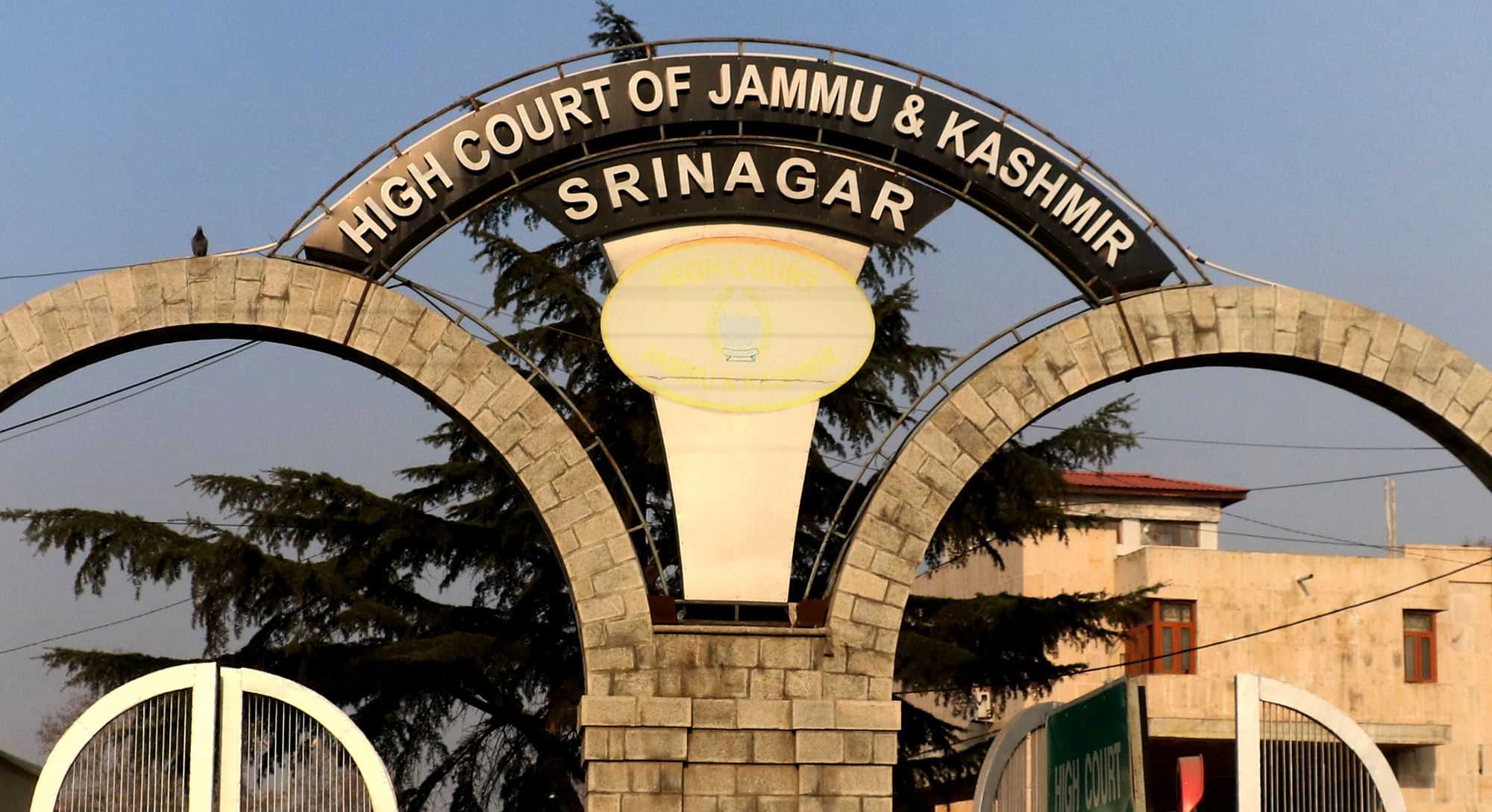
Srinagar, July 9: The Jammu and Kashmir High Court has granted bail to a Srinagar-based cleric accused of murdering a man with a sword over an alleged love rivalry, after he spent nearly 14 years in judicial custody awaiting the conclusion of his trial.
The accused was arrested in connection with the sensational murder case in which he allegedly attacked and killed a man who was reportedly an admirer of a woman with whom the accused was said to be in a relationship. The prosecution alleged that the victim was assaulted with a sword following a dispute linked to the alleged love triangle.
While granting bail, the High Court observed that the accused had remained incarcerated for an extraordinarily long period without the trial reaching its logical conclusion. The court noted that prolonged incarceration without the conclusion of trial amounts to a serious infringement of the constitutional right to a speedy trial guaranteed under Article 21 of the Constitution.
The court emphasized that the delay in the trial could not justify keeping an undertrial prisoner behind bars indefinitely, particularly when there was no certainty regarding the early conclusion of proceedings.
Taking into account the period already spent in custody, the pace of the trial and the principles governing personal liberty, the High Court directed the release of the accused on bail, subject to strict conditions.
The court ordered the accused to furnish the required bail bonds and cooperate fully with the trial court. It also directed him not to influence witnesses, tamper with evidence or leave the Union Territory without prior permission of the court.
The murder case had attracted significant public attention at the time of the incident due to its alleged motive involving a personal relationship. The trial, however, has remained pending for over a decade.
The High Court clarified that the bail order does not amount to an expression on the merits of the prosecution's case and that the trial court shall decide the matter independently on the basis of the evidence placed before it.
The criminal proceedings against the accused will continue before the competent trial court in accordance with law.

Srinagar, July 9: The Jammu and Kashmir High Court has granted bail to a Srinagar-based cleric accused of murdering a man with a sword over an alleged love rivalry, after he spent nearly 14 years in judicial custody awaiting the conclusion of his trial.
The accused was arrested in connection with the sensational murder case in which he allegedly attacked and killed a man who was reportedly an admirer of a woman with whom the accused was said to be in a relationship. The prosecution alleged that the victim was assaulted with a sword following a dispute linked to the alleged love triangle.
While granting bail, the High Court observed that the accused had remained incarcerated for an extraordinarily long period without the trial reaching its logical conclusion. The court noted that prolonged incarceration without the conclusion of trial amounts to a serious infringement of the constitutional right to a speedy trial guaranteed under Article 21 of the Constitution.
The court emphasized that the delay in the trial could not justify keeping an undertrial prisoner behind bars indefinitely, particularly when there was no certainty regarding the early conclusion of proceedings.
Taking into account the period already spent in custody, the pace of the trial and the principles governing personal liberty, the High Court directed the release of the accused on bail, subject to strict conditions.
The court ordered the accused to furnish the required bail bonds and cooperate fully with the trial court. It also directed him not to influence witnesses, tamper with evidence or leave the Union Territory without prior permission of the court.
The murder case had attracted significant public attention at the time of the incident due to its alleged motive involving a personal relationship. The trial, however, has remained pending for over a decade.
The High Court clarified that the bail order does not amount to an expression on the merits of the prosecution's case and that the trial court shall decide the matter independently on the basis of the evidence placed before it.
The criminal proceedings against the accused will continue before the competent trial court in accordance with law.
© Copyright 2023 brighterkashmir.com All Rights Reserved. Quantum Technologies