BREAKING NEWS

06-30-2026     3 رجب 1440

Amarnath Yatra:Where Every Step Becomes a Prayer

The Amarnath Yatra 2026 further underlined the need to strike a balance between devotion and eco-friendly practices. Naturally, the thousands of pilgrims walking through the delicate mountainous regions put pressure on the available natural resources

June 30, 2026 | Mohammad Muslim Bhat

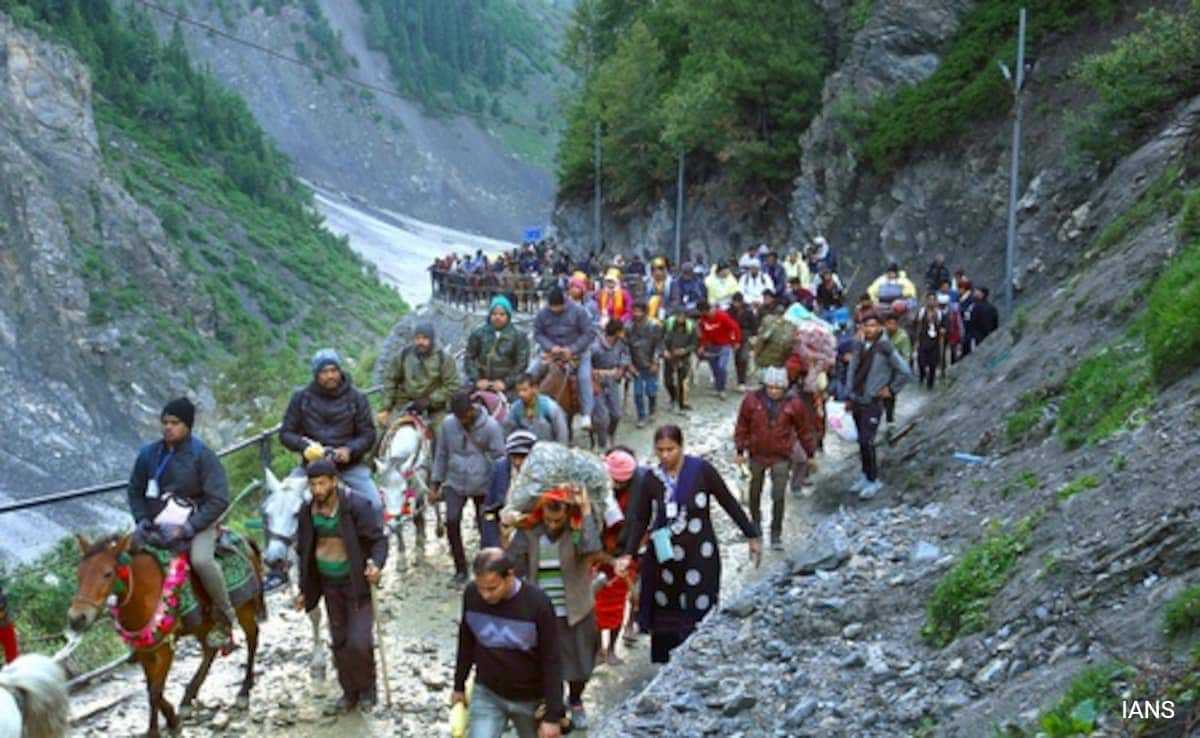
Amarnath Yatra 2026 again made Kashmir an arena of belief and perseverance. Each year, thousands of pilgrims undertake this journey from various parts of India to honor the holy Amarnath cave where the naturally formed Shivling made out of ice symbolizes Lord Shiva. This pilgrimage is never easy for anyone. Challenging mountain passes, difficult weather conditions, low temperatures, and high altitude are just a few of the numerous difficulties that all pilgrims will have to overcome long before they can reach the destination point. But their perseverance becomes evident from the look in their eyes. Some come with their families. Others make the journey alone with nothing more but the backpack and pure faith. All along the way, voices singing "Har Har Mahadev" harmonize with the flow of water in the rivers that accompany the pilgrims as they pass by the mountain ranges. This religious event is much more than that. It is a wonderful example of perseverance, patience, discipline, and hope.
The 2026 pilgrimage also indicated how much work was required for organizing the pilgrimage on such a large scale. The security officials, health personnel, volunteer, and administration of the local area have to work day and night to ensure that pilgrims can safely reach their destination through the Himalayan terrains. Various medical camps, emergency teams, weather forecasting equipment and registration check points have been placed at various points on the way to minimize the dangers faced by pilgrims. Each successful journey is made possible by the hard work and efforts of many people who work in difficult circumstances. Even the locals have a crucial role to play, since they offer hospitality, food, transport and other basic requirements to the pilgrims. In Kashmir, during the Yatra season, various families have some sort of income due to the presence of tourists and thus small industries are kept alive by the pilgrims’ presence.
Besides being a religious phenomenon, the Amarnath Yatra teaches us lessons about human endurance. Reaching the cave is physically and psychologically challenging and requires prior preparations. Devotees work for months to prepare themselves physically for the ascent. However, no matter how well prepared, the mountains have to be respected. Unpredictable weather conditions such as rain, slippery trails, and lack of oxygen are a reminder to everyone that nature is unpredictable. Most pilgrims claim that the journey changes their life because it makes them humbler. People are forced to move at a slower pace, help strangers, and be thankful for every step. The trip becomes an experience of getting to know their own limitations and capabilities. Discussions start among strangers, and a helping hand offered while climbing the mountain remains in the memory much longer than the entire journey.
The place of Kashmir becomes very much a part of the pilgrim’s journey that one does not forget. The snow-capped mountains, green valleys, beautiful streams, and the fresh mountain air make Kashmir unique as there is nothing that compares to the beauty of Kashmir. Often, pilgrims are seen stopping their climb just to take in the breath-taking view of the scenery around them. The beautiful surroundings of the region help one understand the reason behind the fame of Kashmir because of its beautiful scenery. The villages found during the journey also become alive as they welcome the visitors with warmth despite having hectic schedules. The tea stalls provide the place where strangers get together, tell stories, encourage each other, and then move forward with their climbing. Through all these experiences of the locals, the pilgrims get to know the place better as it is more than just the media or politics.
The Amarnath Yatra 2026 further underlined the need to strike a balance between devotion and eco-friendly practices. Naturally, the thousands of pilgrims walking through the delicate mountainous regions put pressure on the available natural resources. Consequently, management of the waste products produced, conservation of the environment, and environmental practices were the focus of the entire yatra. All concerned bodies educated pilgrims about the need to ensure cleanliness in the area and respect the pristine environment that makes the yatra worthwhile. Most pilgrims heeded the advice and realized that taking care of the environment was in itself a sign of reverence. This shows that the two practices can go hand in hand if all parties involved take up their responsibilities. The conservation of the Himalayan ecosystem is vital for the present and future pilgrimages, as well as the lives of people in the region.
Towards the end of the pilgrimage, many people found themselves carrying much more than just photographs or souvenirs. People had experienced hard climbs, made friends, prayed together, and spent some time reflecting amid beautiful and impressive mountains. For many people, it was a chance to strengthen their beliefs; for others, it was an opportunity to learn important life lessons related to such things as perseverance, gratitude, and the importance of helping each other in times of hardship. Once again, the Amarnath Yatra 2026 demonstrated that pilgrimage cannot be measured by a single point of interest or destination. It can be understood and evaluated in terms of all the actions that are taken, all the problems that are solved, and all the good deeds that are done on the way. Long after the tent camps are dismantled and the route is emptied, the spirit of the Yatra will live in hearts of people who were a part of it.


Email:----------------------------mdmuslimbhat@yahoo.com

BREAKING NEWS

VIDEO

Twitter

Facebook

Amarnath Yatra:Where Every Step Becomes a Prayer

The Amarnath Yatra 2026 further underlined the need to strike a balance between devotion and eco-friendly practices. Naturally, the thousands of pilgrims walking through the delicate mountainous regions put pressure on the available natural resources

June 30, 2026 | Mohammad Muslim Bhat

Amarnath Yatra 2026 again made Kashmir an arena of belief and perseverance. Each year, thousands of pilgrims undertake this journey from various parts of India to honor the holy Amarnath cave where the naturally formed Shivling made out of ice symbolizes Lord Shiva. This pilgrimage is never easy for anyone. Challenging mountain passes, difficult weather conditions, low temperatures, and high altitude are just a few of the numerous difficulties that all pilgrims will have to overcome long before they can reach the destination point. But their perseverance becomes evident from the look in their eyes. Some come with their families. Others make the journey alone with nothing more but the backpack and pure faith. All along the way, voices singing "Har Har Mahadev" harmonize with the flow of water in the rivers that accompany the pilgrims as they pass by the mountain ranges. This religious event is much more than that. It is a wonderful example of perseverance, patience, discipline, and hope.
The 2026 pilgrimage also indicated how much work was required for organizing the pilgrimage on such a large scale. The security officials, health personnel, volunteer, and administration of the local area have to work day and night to ensure that pilgrims can safely reach their destination through the Himalayan terrains. Various medical camps, emergency teams, weather forecasting equipment and registration check points have been placed at various points on the way to minimize the dangers faced by pilgrims. Each successful journey is made possible by the hard work and efforts of many people who work in difficult circumstances. Even the locals have a crucial role to play, since they offer hospitality, food, transport and other basic requirements to the pilgrims. In Kashmir, during the Yatra season, various families have some sort of income due to the presence of tourists and thus small industries are kept alive by the pilgrims’ presence.
Besides being a religious phenomenon, the Amarnath Yatra teaches us lessons about human endurance. Reaching the cave is physically and psychologically challenging and requires prior preparations. Devotees work for months to prepare themselves physically for the ascent. However, no matter how well prepared, the mountains have to be respected. Unpredictable weather conditions such as rain, slippery trails, and lack of oxygen are a reminder to everyone that nature is unpredictable. Most pilgrims claim that the journey changes their life because it makes them humbler. People are forced to move at a slower pace, help strangers, and be thankful for every step. The trip becomes an experience of getting to know their own limitations and capabilities. Discussions start among strangers, and a helping hand offered while climbing the mountain remains in the memory much longer than the entire journey.
The place of Kashmir becomes very much a part of the pilgrim’s journey that one does not forget. The snow-capped mountains, green valleys, beautiful streams, and the fresh mountain air make Kashmir unique as there is nothing that compares to the beauty of Kashmir. Often, pilgrims are seen stopping their climb just to take in the breath-taking view of the scenery around them. The beautiful surroundings of the region help one understand the reason behind the fame of Kashmir because of its beautiful scenery. The villages found during the journey also become alive as they welcome the visitors with warmth despite having hectic schedules. The tea stalls provide the place where strangers get together, tell stories, encourage each other, and then move forward with their climbing. Through all these experiences of the locals, the pilgrims get to know the place better as it is more than just the media or politics.
The Amarnath Yatra 2026 further underlined the need to strike a balance between devotion and eco-friendly practices. Naturally, the thousands of pilgrims walking through the delicate mountainous regions put pressure on the available natural resources. Consequently, management of the waste products produced, conservation of the environment, and environmental practices were the focus of the entire yatra. All concerned bodies educated pilgrims about the need to ensure cleanliness in the area and respect the pristine environment that makes the yatra worthwhile. Most pilgrims heeded the advice and realized that taking care of the environment was in itself a sign of reverence. This shows that the two practices can go hand in hand if all parties involved take up their responsibilities. The conservation of the Himalayan ecosystem is vital for the present and future pilgrimages, as well as the lives of people in the region.
Towards the end of the pilgrimage, many people found themselves carrying much more than just photographs or souvenirs. People had experienced hard climbs, made friends, prayed together, and spent some time reflecting amid beautiful and impressive mountains. For many people, it was a chance to strengthen their beliefs; for others, it was an opportunity to learn important life lessons related to such things as perseverance, gratitude, and the importance of helping each other in times of hardship. Once again, the Amarnath Yatra 2026 demonstrated that pilgrimage cannot be measured by a single point of interest or destination. It can be understood and evaluated in terms of all the actions that are taken, all the problems that are solved, and all the good deeds that are done on the way. Long after the tent camps are dismantled and the route is emptied, the spirit of the Yatra will live in hearts of people who were a part of it.


Email:----------------------------mdmuslimbhat@yahoo.com

  • Address: R.C 2 Quarters Press Enclave Near Pratap Park, Srinagar 190001.
  • Phone: 0194-2451076 , +91-941-940-0056 , +91-962-292-4716
  • Email: brighterkmr@gmail.com
Owner, Printer, Publisher, Editor: Farooq Ahmad Wani
Legal Advisor: M.J. Hubi
Printed at: Sangermal offset Printing Press Rangreth ( Budgam)
Published from: Gulshanabad Chraresharief Budgam
RNI No.: JKENG/2010/33802
Office No’s: 0194-2451076
Mobile No’s 9419400056, 9622924716 ,7006086442
Postal Regd No: SK/135/2010-2019
POST BOX NO: 1001
Administrative Office: R.C 2 Quarters Press Enclave Near Pratap Park ( Srinagar -190001)

© Copyright 2023 brighterkashmir.com All Rights Reserved. Quantum Technologies

Owner, Printer, Publisher, Editor: Farooq Ahmad Wani
Legal Advisor: M.J. Hubi
Printed at: Abid Enterprizes, Zainkote Srinagar
Published from: Gulshanabad Chraresharief Budgam
RNI No.: JKENG/2010/33802
Office No’s: 0194-2451076, 9622924716 , 9419400056
Postal Regd No: SK/135/2010-2019
Administrative Office: Abi Guzer Srinagar

© Copyright 2018 brighterkashmir.com All Rights Reserved.