
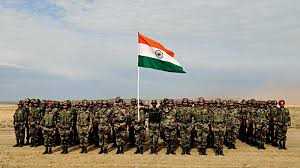
Beyond defence, the Indian Army in Kashmir provides essential assistance during severe winters, floods, and natural catastrophes. Kashmiris, who view the Army as both defenders and lifelines in times of crisis, are deeply grateful for their heroic service in harsh situations, which saves lives, restores infrastructure, and gives hope.
Indian Army is tasked with guarding the borders and protecting the nation. Living up to the expectations of more than one billion people is a huge responsibility to carry on its shoulders. The Army has truly lived up to the expectations of the citizens. Apart from serving on the borders, the Army has also acted as a helping hand for its people during every major and minor crisis. If we talk about Kashmir, known for its mountains, rivers, lakes, and natural beauty, the Army has been a timeless helping hand for Kashmiris as well, even more than in many other parts of the country. Being a mountainous region, Kashmir has its vulnerabilities. It is prone to floods, earthquakes, harsh winters and heavy snowfall. Kashmiris have been experiencing these hardships for long. What has remained constant through thick and thin is one institution that has always stood beside the people, and that is the Indian Army. In a region like Kashmir, beyond security duties, the Army has played an important humanitarian role during disasters in Kashmir something that remains unseen but well acknowledged by local population.
Winters are the longest, harshest, and most severe time of the year for Kashmiris. In many remote areas, villages remain cut off for weeks due to snowfall. Roads disappear under thick layers of snow, electricity lines break, and communication becomes difficult. For elderly people, pregnant women, and patients, this becomes a matter of life and death. During such times, Army personnel are often seen walking through deep snow to reach stranded families. Many locals recall how soldiers carried sick people on stretchers, sometimes on their shoulders, to the nearest medical camps or roads where vehicles could reach. I myself have seen this countless times. In the recent snowfall, Army soldiers rescued a family in Udhampur and helped a pregnant woman in Kupwara’s Villgam reach the hospital, the Army themselves cleared snow for vehicles, and I was heading somewhere and saw Army men assisting PDD workers in erecting electric poles after a windy night in the city. This is just one example much goes unnoticed. In the upper reaches of Kashmir that remain highly affected and cut off from urban centers during winters, the Army is often the only organized support system during crises. They provide medical services, transport services, even helicopters to ferry emergency cases, carry patients on their shoulders when needed, and help restore basic facilities in these areas.
Floods are another major disaster that Kashmir faces, especially the devastating floods of 2014. People were trapped, homes were submerged, and normal life came to a standstill. The Army stood by Kashmiris shoulder to shoulder during that time too, distributing food packets and evacuating people. Army boats were used to rescue citizens, including women, children, and elders. Soldiers worked day and night, often without rest, to save lives. They even stayed hungry themselves but made sure food reached families. Flood victims often say that the first helping hand they saw was the Army. They recall how soldiers shared food packets and how the Army set up temporary camps for the people, providing shelter and medical aid. Even during the recent floods in September last year, the Army stood with locals and provided all sorts of assistance. In my hometown, after heavy rainfall, a flood-like situation was created, but the Army had its sleeves rolled up to contain the situation and do what they always do the best, service.
Another prime example of the Indian Army at Your Service is the recent unfortunate tragedies at the Katra shrine after a cloudburst, flash floods, and a stampede. What remained there like a pillar was the Indian Army. Risking their own lives, working day and night to carry out rescue operations, providing relief and necessary aid to the victims.
Army’s help is not limited to borders or rescue operations only. It has a mark on the Jammu–Srinagar national highway, a connectivity that remains prone to disruptions and landslides. Whenever such a crisis arises, the Army is the first to step up and contain it, clearing landslides, rescuing people, protecting property and lives, and providing all means of support to stranded people. The Army provides chopper services and Army hospital services to passengers and locals who cannot move because of road blockages.
I have a friend from Banihal. I once asked him whether it is not tough for them during road blockages to reach the city in any medical emergency. He said yes, but they have an option. The Army provides chopper services to ferry emergency cases, and their medical units are always open for them. He even added that the Army helps them in their normal life too.
These are not even a handful of examples; there are countless instances that remain unseen. What remains seen and acknowledged is the role of the Indian Army in Kashmir during every disaster, they are a helping hand even in day to lives too in any fire emergency, road blockage or repair public infrastructure like bridges at times where departments cannot reach on time. What makes this even more beautiful is its selfless nature. Soldiers often operate in extreme weather, unstable terrain, and dangerous conditions. They face the same cold, hunger, and exhaustion as civilians, yet continue to work for others. Many times, they miss meals and sleep to ensure that help reaches those in need. The Army knows it will not get anything in return, maybe some news coverage, but mostly prayers and good wishes, while risking their lives to save others. These efforts may not always make headlines, but they leave a deep impact on people’s hearts.
Email:-----------------------alizaroon@112gmail.com
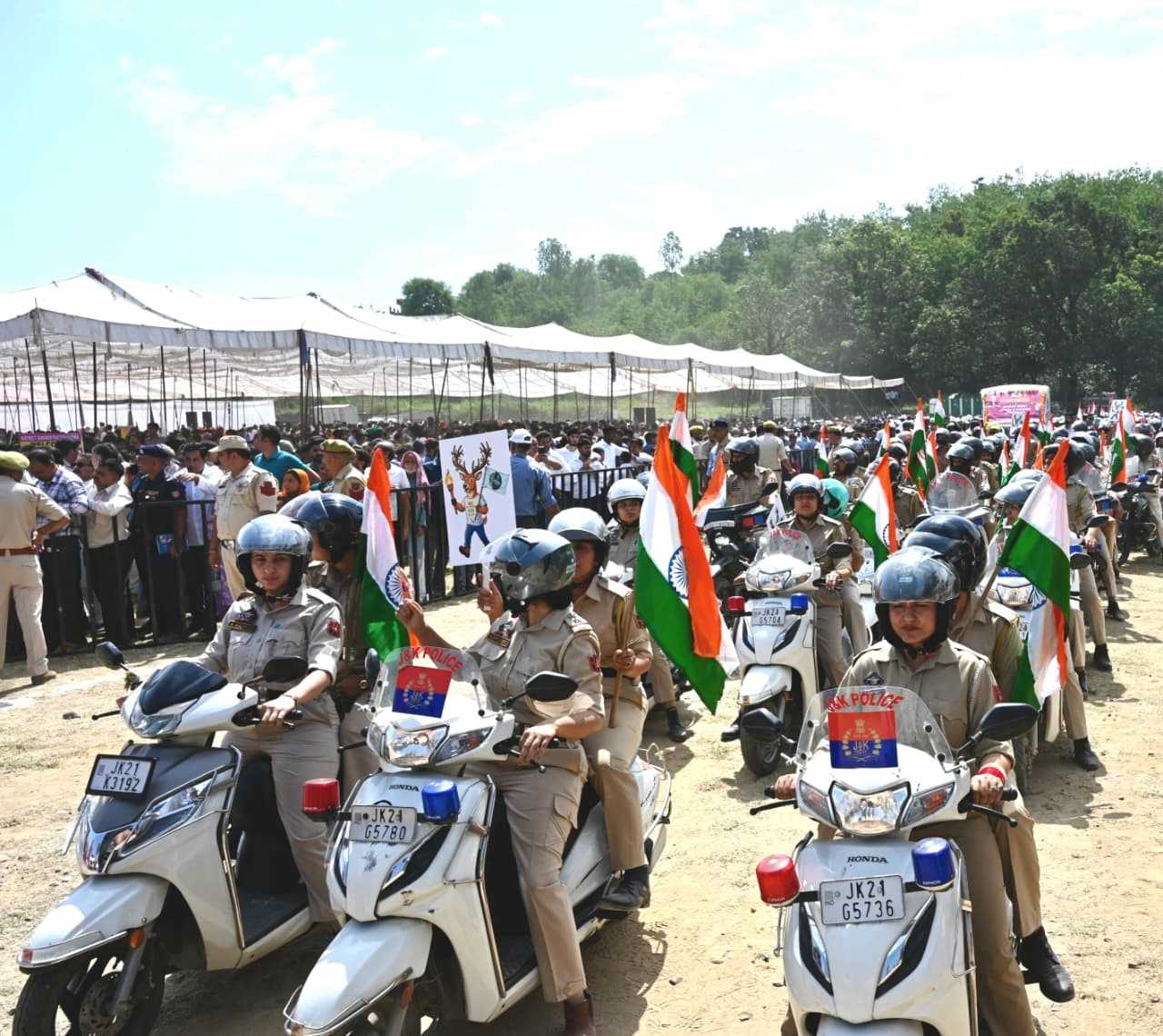

Beyond defence, the Indian Army in Kashmir provides essential assistance during severe winters, floods, and natural catastrophes. Kashmiris, who view the Army as both defenders and lifelines in times of crisis, are deeply grateful for their heroic service in harsh situations, which saves lives, restores infrastructure, and gives hope.
Indian Army is tasked with guarding the borders and protecting the nation. Living up to the expectations of more than one billion people is a huge responsibility to carry on its shoulders. The Army has truly lived up to the expectations of the citizens. Apart from serving on the borders, the Army has also acted as a helping hand for its people during every major and minor crisis. If we talk about Kashmir, known for its mountains, rivers, lakes, and natural beauty, the Army has been a timeless helping hand for Kashmiris as well, even more than in many other parts of the country. Being a mountainous region, Kashmir has its vulnerabilities. It is prone to floods, earthquakes, harsh winters and heavy snowfall. Kashmiris have been experiencing these hardships for long. What has remained constant through thick and thin is one institution that has always stood beside the people, and that is the Indian Army. In a region like Kashmir, beyond security duties, the Army has played an important humanitarian role during disasters in Kashmir something that remains unseen but well acknowledged by local population.
Winters are the longest, harshest, and most severe time of the year for Kashmiris. In many remote areas, villages remain cut off for weeks due to snowfall. Roads disappear under thick layers of snow, electricity lines break, and communication becomes difficult. For elderly people, pregnant women, and patients, this becomes a matter of life and death. During such times, Army personnel are often seen walking through deep snow to reach stranded families. Many locals recall how soldiers carried sick people on stretchers, sometimes on their shoulders, to the nearest medical camps or roads where vehicles could reach. I myself have seen this countless times. In the recent snowfall, Army soldiers rescued a family in Udhampur and helped a pregnant woman in Kupwara’s Villgam reach the hospital, the Army themselves cleared snow for vehicles, and I was heading somewhere and saw Army men assisting PDD workers in erecting electric poles after a windy night in the city. This is just one example much goes unnoticed. In the upper reaches of Kashmir that remain highly affected and cut off from urban centers during winters, the Army is often the only organized support system during crises. They provide medical services, transport services, even helicopters to ferry emergency cases, carry patients on their shoulders when needed, and help restore basic facilities in these areas.
Floods are another major disaster that Kashmir faces, especially the devastating floods of 2014. People were trapped, homes were submerged, and normal life came to a standstill. The Army stood by Kashmiris shoulder to shoulder during that time too, distributing food packets and evacuating people. Army boats were used to rescue citizens, including women, children, and elders. Soldiers worked day and night, often without rest, to save lives. They even stayed hungry themselves but made sure food reached families. Flood victims often say that the first helping hand they saw was the Army. They recall how soldiers shared food packets and how the Army set up temporary camps for the people, providing shelter and medical aid. Even during the recent floods in September last year, the Army stood with locals and provided all sorts of assistance. In my hometown, after heavy rainfall, a flood-like situation was created, but the Army had its sleeves rolled up to contain the situation and do what they always do the best, service.
Another prime example of the Indian Army at Your Service is the recent unfortunate tragedies at the Katra shrine after a cloudburst, flash floods, and a stampede. What remained there like a pillar was the Indian Army. Risking their own lives, working day and night to carry out rescue operations, providing relief and necessary aid to the victims.
Army’s help is not limited to borders or rescue operations only. It has a mark on the Jammu–Srinagar national highway, a connectivity that remains prone to disruptions and landslides. Whenever such a crisis arises, the Army is the first to step up and contain it, clearing landslides, rescuing people, protecting property and lives, and providing all means of support to stranded people. The Army provides chopper services and Army hospital services to passengers and locals who cannot move because of road blockages.
I have a friend from Banihal. I once asked him whether it is not tough for them during road blockages to reach the city in any medical emergency. He said yes, but they have an option. The Army provides chopper services to ferry emergency cases, and their medical units are always open for them. He even added that the Army helps them in their normal life too.
These are not even a handful of examples; there are countless instances that remain unseen. What remains seen and acknowledged is the role of the Indian Army in Kashmir during every disaster, they are a helping hand even in day to lives too in any fire emergency, road blockage or repair public infrastructure like bridges at times where departments cannot reach on time. What makes this even more beautiful is its selfless nature. Soldiers often operate in extreme weather, unstable terrain, and dangerous conditions. They face the same cold, hunger, and exhaustion as civilians, yet continue to work for others. Many times, they miss meals and sleep to ensure that help reaches those in need. The Army knows it will not get anything in return, maybe some news coverage, but mostly prayers and good wishes, while risking their lives to save others. These efforts may not always make headlines, but they leave a deep impact on people’s hearts.
Email:-----------------------alizaroon@112gmail.com

© Copyright 2023 brighterkashmir.com All Rights Reserved. Quantum Technologies