
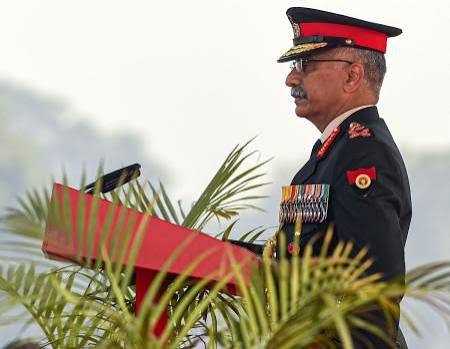
The recent visit of the Army Chief to Leh, where he urged troops to remain vigilant, comes at a time when India’s northern frontiers continue to hold strategic and security significance. In the high-altitude theatre of Ladakh, where geography itself becomes both shield and challenge, vigilance is not merely a directive—it is a constant state of preparedness. The Army Chief’s emphasis on alertness underscores a simple but crucial reality: peace along sensitive borders is maintained not by chance, but by sustained readiness. In regions like Ladakh, where terrain is unforgiving and conditions extreme, even minor lapses can have amplified consequences. Hence, operational discipline, quick response capability, and situational awareness remain the backbone of military effectiveness. Beyond the immediate military context, the message carries wider strategic meaning. The Ladakh sector has witnessed heightened attention in recent years, and infrastructure development along with forward deployment has reshaped the region’s security architecture. In such a dynamic environment, troops must adapt continuously—balancing traditional combat readiness with modern surveillance, technology integration, and information-driven warfare. Vigilance, however, is not limited to borders alone. It extends to psychological resilience and morale. Serving in extreme weather, thin air, and isolation demands extraordinary mental strength. The Army Chief’s interaction is also a reminder that the welfare of soldiers is inseparable from operational efficiency. A motivated, well-supported soldier is the strongest pillar of defence. At a broader level, such visits reinforce national confidence. They signal that India remains firmly committed to safeguarding its territorial integrity and maintaining stability in sensitive regions. For the civilian population, particularly in border areas, the presence and preparedness of the armed forces provide a sense of security and reassurance. Equally important is the message of coordination. Modern border management is not only about boots on the ground but also about synergy between different security agencies, intelligence inputs, and technological systems. Integrated vigilance ensures that challenges are anticipated, not merely reacted to. In essence, the Army Chief’s call in Leh is both timely and timeless. Timely, because of evolving regional dynamics; timeless, because vigilance has always been the essence of military strength. It is a reminder that in the silent heights of the Himalayas, where winds carry both calm and challenge, India’s defence stands firm on the foundation of alertness, discipline, and unwavering resolve. Ultimately, vigilance in Leh is not just a military necessity—it is a strategic message of preparedness, peace through strength, and unbroken commitment to the nation’s security.



The recent visit of the Army Chief to Leh, where he urged troops to remain vigilant, comes at a time when India’s northern frontiers continue to hold strategic and security significance. In the high-altitude theatre of Ladakh, where geography itself becomes both shield and challenge, vigilance is not merely a directive—it is a constant state of preparedness. The Army Chief’s emphasis on alertness underscores a simple but crucial reality: peace along sensitive borders is maintained not by chance, but by sustained readiness. In regions like Ladakh, where terrain is unforgiving and conditions extreme, even minor lapses can have amplified consequences. Hence, operational discipline, quick response capability, and situational awareness remain the backbone of military effectiveness. Beyond the immediate military context, the message carries wider strategic meaning. The Ladakh sector has witnessed heightened attention in recent years, and infrastructure development along with forward deployment has reshaped the region’s security architecture. In such a dynamic environment, troops must adapt continuously—balancing traditional combat readiness with modern surveillance, technology integration, and information-driven warfare. Vigilance, however, is not limited to borders alone. It extends to psychological resilience and morale. Serving in extreme weather, thin air, and isolation demands extraordinary mental strength. The Army Chief’s interaction is also a reminder that the welfare of soldiers is inseparable from operational efficiency. A motivated, well-supported soldier is the strongest pillar of defence. At a broader level, such visits reinforce national confidence. They signal that India remains firmly committed to safeguarding its territorial integrity and maintaining stability in sensitive regions. For the civilian population, particularly in border areas, the presence and preparedness of the armed forces provide a sense of security and reassurance. Equally important is the message of coordination. Modern border management is not only about boots on the ground but also about synergy between different security agencies, intelligence inputs, and technological systems. Integrated vigilance ensures that challenges are anticipated, not merely reacted to. In essence, the Army Chief’s call in Leh is both timely and timeless. Timely, because of evolving regional dynamics; timeless, because vigilance has always been the essence of military strength. It is a reminder that in the silent heights of the Himalayas, where winds carry both calm and challenge, India’s defence stands firm on the foundation of alertness, discipline, and unwavering resolve. Ultimately, vigilance in Leh is not just a military necessity—it is a strategic message of preparedness, peace through strength, and unbroken commitment to the nation’s security.

© Copyright 2023 brighterkashmir.com All Rights Reserved. Quantum Technologies