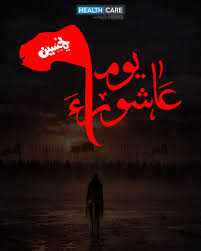
Ashoora, observed on the 10th day of Muharram, is one of the most solemn and deeply reflective occasions in the Islamic calendar. It marks the martyrdom of Imam Hussain, the grandson of Prophet Muhammad, at the Battle of Karbala in 680 CE. Beyond its historical roots, Ashoora has evolved into a universal symbol of sacrifice, justice, and moral courage against tyranny. The tragedy of Karbala was not merely a political confrontation; it was a profound moral stand. Imam Hussain’s refusal to pledge allegiance to an unjust ruler is remembered as a timeless assertion that principles must never be surrendered for power or personal safety. His sacrifice, along with his family and companions, underscores the eternal struggle between truth and oppression. Today, Ashoora is observed with mourning, prayers, processions, and acts of charity across many parts of the world, communities gather to remember Karbala’s lessons through majlis (religious gatherings) and remembrance of Hussain’s message of righteousness. The day fosters unity, empathy, and introspection, cutting across sectarian boundaries when understood in its broader ethical sense. Importantly, Ashoora is not just about grief; it is about awakening conscience. It calls individuals to examine their own lives—whether they stand for justice in moments of convenience or only in moments of comfort. In a world increasingly shaped by conflict, inequality, and moral compromise, the message of Karbala remains strikingly relevant. Imam Hussain’s legacy teaches that truth may be outnumbered but never defeated. His stand at Karbala continues to inspire movements for human rights, dignity, and resistance against oppression across generations and geographies. Ashoora, therefore, is not confined to history or ritual. It is a living reminder that integrity demands sacrifice and that silence in the face of injustice is itself a form of complicity. As the world reflects on Karbala each year, the enduring question remains: do we stand with power, or with principle?
© Copyright 2023 brighterkashmir.com All Rights Reserved. Quantum Technologies