
BREAKING NEWS
Discipline, however, should never be confused with harshness or humiliation. Effective discipline is constructive, compassionate and purposeful. It aims to guide children towards understanding the consequences of their actions rather than creating fear. A teacher's responsibility is not only to correct mistakes but also to nurture character, confidence and a sense of responsibility
The society we live in today is a reflection of the values, habits and institutions we have inherited from previous generations. However, the society we are creating for tomorrow will largely depend on our actions, choices and responsibilities today. Growing concerns about moral decline, corruption, indiscipline, lack of accountability and declining public trust raise an important question: Are we contributing towards building a better society, or are we gradually weakening the foundations upon which it stands?
Whenever people encounter difficulties in public institutions, whether in healthcare, administration, justice or revenue services, frustration often leads to criticism of individuals. While accountability is essential, it is equally important to understand the broader circumstances that influence people's behaviour. Institutional weaknesses, social pressures, lack of supervision and the gradual acceptance of unethical practices can collectively contribute to a culture in which responsibility is neglected.
This does not mean that individuals should be excused for wrongdoing. Every person must remain accountable for their actions. However, meaningful improvement requires us to examine not only individual behaviour but also the environment that shapes it. A society cannot expect honesty from its institutions if dishonesty is tolerated in everyday life.
Education occupies a central position in this process. Schools are not merely places where children learn academic subjects; they are institutions where values, discipline, responsibility, respect and civic behaviour are developed. The habits children acquire during their formative years often become the foundation of their conduct in adulthood.
Punctuality, regular attendance, respect for rules, cleanliness, cooperation and honesty are not minor aspects of school life. They are essential lessons that prepare children to become responsible citizens. When students learn to respect time, fulfil their duties and understand the importance of collective responsibility, they carry these values into their future workplaces and public institutions.
Discipline, however, should never be confused with harshness or humiliation. Effective discipline is constructive, compassionate and purposeful. It aims to guide children towards understanding the consequences of their actions rather than creating fear. A teacher's responsibility is not only to correct mistakes but also to nurture character, confidence and a sense of responsibility.
Similarly, educational institutions must themselves demonstrate the values they expect students to practise. Regularity, transparency, sincerity, accountability and mutual respect among staff members create an environment in which children learn through observation as much as through instruction. A lesson on honesty becomes meaningful when honesty is practised; a lesson on responsibility becomes powerful when responsibility is demonstrated.
The challenges faced by schools, particularly in remote and disadvantaged areas, also deserve thoughtful attention. Limited infrastructure, difficult geographical conditions, inadequate parental support and the circumstances of first-generation learners can affect educational outcomes. These challenges require collective efforts from teachers, parents, administrators and society rather than criticism directed at any single group.
Teachers, too, must continuously reflect upon their professional responsibilities. Teaching is not merely the completion of a syllabus or the preparation of students for examinations. It is an opportunity to shape minds, strengthen moral values and prepare young people for the responsibilities of life. At the same time, teachers deserve respect, encouragement, professional support and a working environment that enables them to perform their duties effectively.
Parents and society have an equally important role. Children observe the behaviour of adults at home, in public places and within their communities. When they witness respect for rules, honesty in dealings, compassion towards others and responsible use of public resources, they learn these values naturally. Conversely, when adults disregard rules and justify unethical practices, children may begin to consider such behaviour normal.
The responsibility of building a better society cannot rest upon schools alone. Educational institutions can nurture values, but families must reinforce them, communities must practise them and public institutions must uphold them. Every citizen has a role in strengthening the culture of accountability and mutual respect.
The future of society depends not only on the qualifications our children acquire but also on the character they develop. A well-educated individual without moral responsibility may contribute little towards social progress, whereas a person guided by honesty, compassion, discipline and integrity can become a source of positive change.
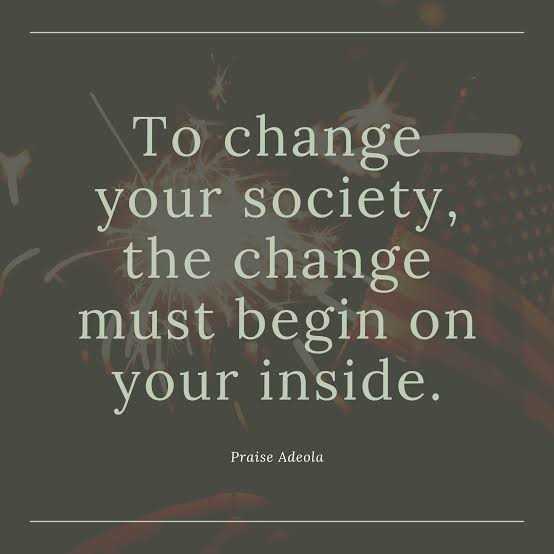
Perhaps it is time for all of us to look inward and ask whether our daily actions reflect the society we wish to see. The transformation we demand from institutions must begin with our own conduct, our homes, our schools and our communities.
The society we inherited was shaped by the actions of previous generations. The society we are creating will be shaped by the values we practise and pass on today. If we wish to leave behind a better world for our children, we must begin by becoming better citizens ourselves.
Email:----------------------ganimudasir@gmail.com

© Copyright 2023 brighterkashmir.com All Rights Reserved. Quantum Technologies