
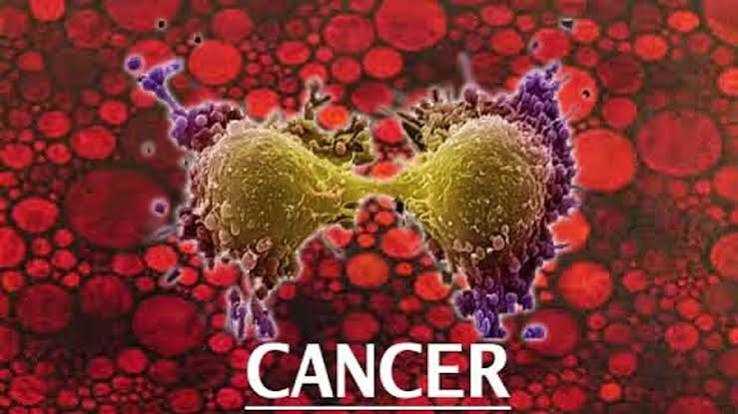
Srinagar, July 7: Cancer is often viewed as a medical condition requiring diagnosis, surgery, chemotherapy or radiation therapy. However, in Kashmir, health experts say the disease extends far beyond hospitals, affecting families, livelihoods, mental health and the social fabric of communities, making it a pressing public health and socio-economic challenge.
Medical professionals and public health experts believe that tackling cancer effectively requires more than advanced treatment facilities. They stress the need for stronger awareness campaigns, preventive healthcare, early screening, community participation and policies that address the financial and emotional burden faced by patients and their families.
According to oncologists, cancer cases have been steadily rising across Jammu and Kashmir, reflecting a trend seen globally. Breast, lung, colorectal, stomach and oral cancers remain among the most commonly diagnosed forms, while lifestyle changes, tobacco consumption, unhealthy dietary habits, environmental factors and increasing life expectancy continue to contribute to the growing disease burden.
Experts say one of the biggest challenges in Kashmir is delayed diagnosis. Many patients seek medical attention only after symptoms become severe, reducing treatment options and survival chances. Fear, stigma, lack of awareness and misconceptions surrounding cancer often discourage people from undergoing timely screening or consulting specialists.
Healthcare professionals emphasize that many cancers are preventable or highly treatable when detected early. Regular health checkups, breast and cervical cancer screening for women, oral cancer screening for tobacco users and timely investigations for persistent symptoms can significantly improve treatment outcomes.
Beyond the medical aspects, cancer imposes a heavy financial burden on families. The cost of prolonged treatment, travel to tertiary hospitals, accommodation, medicines and loss of income often pushes households into financial distress. In many cases, caregivers are compelled to leave their jobs or businesses to support patients through lengthy treatment cycles.
Mental health specialists also highlight the emotional impact of cancer, noting that patients frequently experience anxiety, depression and social isolation following diagnosis. Family members often face emotional exhaustion while balancing caregiving responsibilities with financial pressures.
Public health experts stress that community support is equally important. They advocate strengthening palliative care services, counselling facilities, patient support groups and rehabilitation programmes to improve the quality of life for cancer patients and survivors.
Environmental health researchers have also called for continued scientific studies into the factors contributing to cancer incidence in the region. They emphasize the importance of evidence-based research while cautioning against speculation or misinformation regarding the causes of cancer.
Doctors underline that healthy lifestyle choices—including avoiding tobacco and alcohol, maintaining a balanced diet, regular physical activity, vaccination against certain cancer-causing infections and reducing exposure to known carcinogens—remain among the most effective measures for lowering cancer risk.
Experts also advocate integrating cancer awareness into schools, colleges, workplaces and community institutions to encourage preventive healthcare and reduce stigma. They say educating people about warning signs and available screening facilities can lead to earlier diagnosis and better survival rates.
Health authorities continue to strengthen oncology services across Jammu and Kashmir by expanding diagnostic facilities, improving access to specialised treatment and promoting public awareness campaigns. However, experts believe that the fight against cancer requires a whole-of-society approach involving healthcare providers, policymakers, educational institutions, civil society organisations and communities.
They maintain that cancer should not be viewed solely as an illness affecting an individual but as a societal challenge that demands compassion, awareness, scientific research, accessible healthcare and collective responsibility. Only through early detection, timely treatment and sustained public engagement, they say, can the growing burden of cancer in Kashmir be effectively addressed.

Srinagar, July 7: Cancer is often viewed as a medical condition requiring diagnosis, surgery, chemotherapy or radiation therapy. However, in Kashmir, health experts say the disease extends far beyond hospitals, affecting families, livelihoods, mental health and the social fabric of communities, making it a pressing public health and socio-economic challenge.
Medical professionals and public health experts believe that tackling cancer effectively requires more than advanced treatment facilities. They stress the need for stronger awareness campaigns, preventive healthcare, early screening, community participation and policies that address the financial and emotional burden faced by patients and their families.
According to oncologists, cancer cases have been steadily rising across Jammu and Kashmir, reflecting a trend seen globally. Breast, lung, colorectal, stomach and oral cancers remain among the most commonly diagnosed forms, while lifestyle changes, tobacco consumption, unhealthy dietary habits, environmental factors and increasing life expectancy continue to contribute to the growing disease burden.
Experts say one of the biggest challenges in Kashmir is delayed diagnosis. Many patients seek medical attention only after symptoms become severe, reducing treatment options and survival chances. Fear, stigma, lack of awareness and misconceptions surrounding cancer often discourage people from undergoing timely screening or consulting specialists.
Healthcare professionals emphasize that many cancers are preventable or highly treatable when detected early. Regular health checkups, breast and cervical cancer screening for women, oral cancer screening for tobacco users and timely investigations for persistent symptoms can significantly improve treatment outcomes.
Beyond the medical aspects, cancer imposes a heavy financial burden on families. The cost of prolonged treatment, travel to tertiary hospitals, accommodation, medicines and loss of income often pushes households into financial distress. In many cases, caregivers are compelled to leave their jobs or businesses to support patients through lengthy treatment cycles.
Mental health specialists also highlight the emotional impact of cancer, noting that patients frequently experience anxiety, depression and social isolation following diagnosis. Family members often face emotional exhaustion while balancing caregiving responsibilities with financial pressures.
Public health experts stress that community support is equally important. They advocate strengthening palliative care services, counselling facilities, patient support groups and rehabilitation programmes to improve the quality of life for cancer patients and survivors.
Environmental health researchers have also called for continued scientific studies into the factors contributing to cancer incidence in the region. They emphasize the importance of evidence-based research while cautioning against speculation or misinformation regarding the causes of cancer.
Doctors underline that healthy lifestyle choices—including avoiding tobacco and alcohol, maintaining a balanced diet, regular physical activity, vaccination against certain cancer-causing infections and reducing exposure to known carcinogens—remain among the most effective measures for lowering cancer risk.
Experts also advocate integrating cancer awareness into schools, colleges, workplaces and community institutions to encourage preventive healthcare and reduce stigma. They say educating people about warning signs and available screening facilities can lead to earlier diagnosis and better survival rates.
Health authorities continue to strengthen oncology services across Jammu and Kashmir by expanding diagnostic facilities, improving access to specialised treatment and promoting public awareness campaigns. However, experts believe that the fight against cancer requires a whole-of-society approach involving healthcare providers, policymakers, educational institutions, civil society organisations and communities.
They maintain that cancer should not be viewed solely as an illness affecting an individual but as a societal challenge that demands compassion, awareness, scientific research, accessible healthcare and collective responsibility. Only through early detection, timely treatment and sustained public engagement, they say, can the growing burden of cancer in Kashmir be effectively addressed.

© Copyright 2023 brighterkashmir.com All Rights Reserved. Quantum Technologies