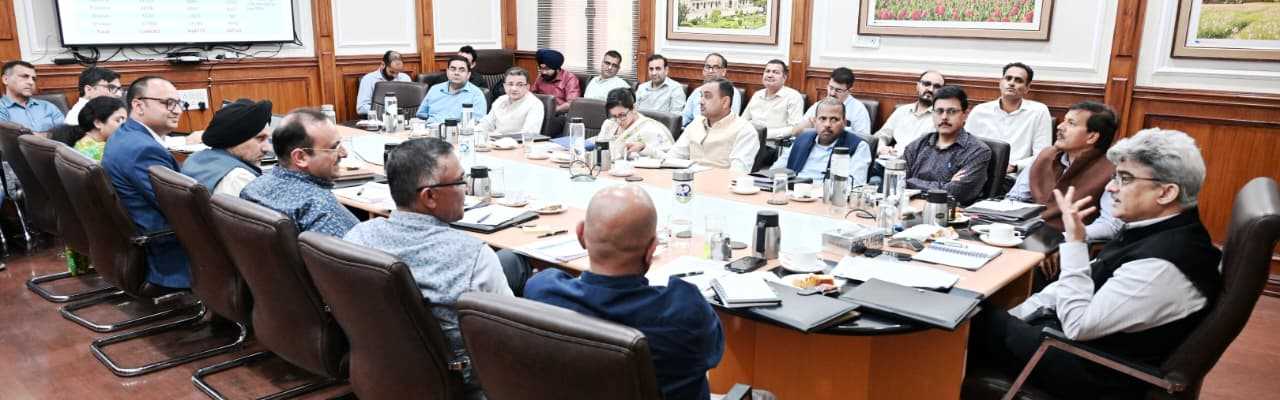
The Union Territory of Jammu and Kashmir, known for its scenic beauty and vibrant culture, is facing an insidious challenge: the rising drug menace among its youth. Recognizing the gravity of the situation, the Jammu and Kashmir Police have intensified efforts to curb drug trafficking and abuse, signaling a proactive and citizen-centric approach to public safety.The drug problem in J&K is multifaceted. It is fueled not only by local demand but also by cross-border smuggling, peer pressure, and the easy availability of synthetic drugs. Alarmingly, young students and unemployed youth are increasingly falling prey to narcotics, which impacts health, education, and societal harmony. The social cost of addiction is enormous, ranging from deteriorating mental and physical health to rising crime and disruption of family life.In response, the J&K Police have undertaken a series of preventive and enforcement measures. These include intelligence-led operations to intercept drug consignments, raids on suspicious networks, strict monitoring of local hotspots, and coordination with other enforcement agencies. Equally important is the emphasis on awareness campaigns targeting schools, colleges, and communities. By educating young people and families about the dangers of drug abuse, the police are adopting a holistic approach that balances enforcement with prevention.Technology and community engagement are playing an increasingly important role. The police have employed surveillance tools, data analytics, and social media monitoring to track illegal activities, while community policing initiatives encourage citizens to report suspicious behavior. These measures create a sense of shared responsibility, ensuring that the fight against drugs is not just institutional but societal.However, policing alone cannot solve the problem. The administration, civil society, educational institutions, and families must work in tandem to provide rehabilitation, vocational training, and counseling for affected youth. Strengthening health and social services, promoting constructive engagement in sports and culture, and offering opportunities for skill development can steer vulnerable sections away from substance abuse. J&K stands at a critical juncture. The region’s youth are its future, and safeguarding them from the scourge of drugs is not merely a policing issue—it is a moral and developmental imperative. The proactive stance of the J&K Police demonstrates commitment and determination, but long-term success will depend on a comprehensive, multi-stakeholder approach. Only through sustained enforcement, education, and rehabilitation can the Union Territory ensure that its young citizens grow into healthy, productive, and responsible adults, preserving both societal harmony and the region’s promise.
The Union Territory of Jammu and Kashmir, known for its scenic beauty and vibrant culture, is facing an insidious challenge: the rising drug menace among its youth. Recognizing the gravity of the situation, the Jammu and Kashmir Police have intensified efforts to curb drug trafficking and abuse, signaling a proactive and citizen-centric approach to public safety.The drug problem in J&K is multifaceted. It is fueled not only by local demand but also by cross-border smuggling, peer pressure, and the easy availability of synthetic drugs. Alarmingly, young students and unemployed youth are increasingly falling prey to narcotics, which impacts health, education, and societal harmony. The social cost of addiction is enormous, ranging from deteriorating mental and physical health to rising crime and disruption of family life.In response, the J&K Police have undertaken a series of preventive and enforcement measures. These include intelligence-led operations to intercept drug consignments, raids on suspicious networks, strict monitoring of local hotspots, and coordination with other enforcement agencies. Equally important is the emphasis on awareness campaigns targeting schools, colleges, and communities. By educating young people and families about the dangers of drug abuse, the police are adopting a holistic approach that balances enforcement with prevention.Technology and community engagement are playing an increasingly important role. The police have employed surveillance tools, data analytics, and social media monitoring to track illegal activities, while community policing initiatives encourage citizens to report suspicious behavior. These measures create a sense of shared responsibility, ensuring that the fight against drugs is not just institutional but societal.However, policing alone cannot solve the problem. The administration, civil society, educational institutions, and families must work in tandem to provide rehabilitation, vocational training, and counseling for affected youth. Strengthening health and social services, promoting constructive engagement in sports and culture, and offering opportunities for skill development can steer vulnerable sections away from substance abuse. J&K stands at a critical juncture. The region’s youth are its future, and safeguarding them from the scourge of drugs is not merely a policing issue—it is a moral and developmental imperative. The proactive stance of the J&K Police demonstrates commitment and determination, but long-term success will depend on a comprehensive, multi-stakeholder approach. Only through sustained enforcement, education, and rehabilitation can the Union Territory ensure that its young citizens grow into healthy, productive, and responsible adults, preserving both societal harmony and the region’s promise.

© Copyright 2023 brighterkashmir.com All Rights Reserved. Quantum Technologies