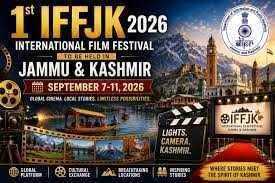
Today, Jammu and Kashmir steps into a new cultural chapter as the curtain rises on its first-ever International Film Festival of J&K (IFFJK). More than a celebration of cinema, the festival is an opportunity to present J&K to the world through the language of stories, creativity and culture. For a region that has long been associated with breathtaking landscapes and a rich artistic tradition, cinema offers another powerful window to showcase its identity. The festival, therefore, arrives at an important moment. It can help transform Kashmir from merely a backdrop for films into a destination for filmmakers, storytellers and creative talent. The response itself is encouraging. With more than 1,100 entries from nearly 80 countries, IFFJK has already demonstrated that the world is willing to look towards J&K not only for its mountains and lakes, but also for its cultural potential. Screenings, masterclasses, panel discussions, workshops and interactions with filmmakers can create valuable opportunities for local artists and aspiring filmmakers. The real success of the festival, however, should not be measured only by the number of films screened or dignitaries attending the inaugural ceremony. Its larger test will be whether it creates a lasting film ecosystem in J&K. That means encouraging local production, nurturing young talent, developing technical skills, attracting investment and making the region easier for filmmakers to explore and work in. A successful festival should not be a four-day spectacle that disappears with the closing ceremony. It should become the beginning of an annual cultural institution with a growing international reputation. The floating cinema and events in places such as Srinagar and Gulmarg add an especially distinctive dimension. They can combine the magic of the screen with the visual splendour of the Valley, giving visitors an experience that conventional film festivals cannot easily replicate. J&K also needs to seize the economic possibilities. Film tourism can generate employment, support hotels, transport, artisans, local businesses and creative professionals. But this opportunity requires sustained policy support and professional infrastructure. Today, therefore, the spotlight is not merely on films. It is on J&K’s ability to tell its own story—and invite the world to listen. The curtain rises today. The real show must continue long after it falls.

© Copyright 2023 brighterkashmir.com All Rights Reserved. Quantum Technologies