BREAKING NEWS

09-04-2026     3 رجب 1440

Dal, Nigeen face pollution threat

September 04, 2026 | BK NEWS SERVICE

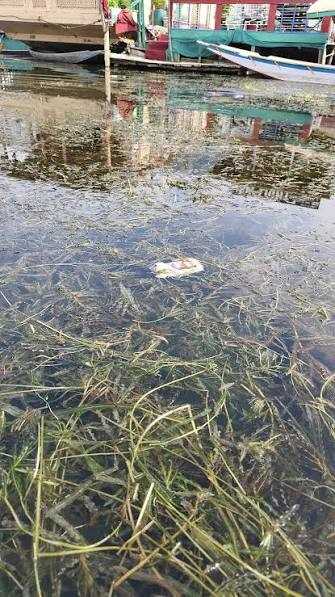
Srinagar, Sep 3: Human activity is emerging as a major source of pollution in Dal and Nigeen lakes, with a study recording elevated phosphate concentrations and pointing to domestic sewage, detergents, fertilizers and pesticide residues as important contributors to the deteriorating water quality of the two iconic Srinagar water bodies.

The findings point to a significant nutrient load entering the lakes through human-generated waste, raising concerns over the long-term health of their aquatic ecosystems.
Dal Lake recorded a phosphate concentration of 5.10 mg, while concentrations in Nigeen Lake ranged between 4.22 and 4.99 mg, according to the study findings. The elevated phosphate levels have been associated with inputs from domestic sewage, household detergents, fertilizers and pesticide residues.
The study also found a higher concentration of particulate matter in Dal Lake compared with Nigeen, indicating a heavier pollution burden in parts of the larger and more heavily used water body.
The findings highlight the impact of untreated or inadequately managed solid and liquid waste entering the lakes. Domestic discharge, detergent-rich wastewater and runoff carrying agricultural chemicals can introduce nutrients and other contaminants into the lake system, affecting water quality and aquatic conditions.
High phosphate levels are particularly significant because excessive nutrient loading can contribute to the deterioration of water quality and alter the ecological balance of lakes.
The study has recommended regular monitoring of water quality in Dal and Nigeen to track changes in pollution levels and identify sources requiring intervention.
The findings also underline the need to look beyond periodic clean-up operations and examine the pathways through which sewage, household wastewater, solid waste and chemical residues continue to reach the lakes.
For Srinagar, where Dal and Nigeen remain central to tourism, livelihoods and the city’s ecological identity, the study raises a fundamental question over how long the lakes can absorb the growing pressure of human activity without sustained control of pollution at its source.

BREAKING NEWS

VIDEO

Twitter

Facebook

Dal, Nigeen face pollution threat

September 04, 2026 | BK NEWS SERVICE

Srinagar, Sep 3: Human activity is emerging as a major source of pollution in Dal and Nigeen lakes, with a study recording elevated phosphate concentrations and pointing to domestic sewage, detergents, fertilizers and pesticide residues as important contributors to the deteriorating water quality of the two iconic Srinagar water bodies.

The findings point to a significant nutrient load entering the lakes through human-generated waste, raising concerns over the long-term health of their aquatic ecosystems.
Dal Lake recorded a phosphate concentration of 5.10 mg, while concentrations in Nigeen Lake ranged between 4.22 and 4.99 mg, according to the study findings. The elevated phosphate levels have been associated with inputs from domestic sewage, household detergents, fertilizers and pesticide residues.
The study also found a higher concentration of particulate matter in Dal Lake compared with Nigeen, indicating a heavier pollution burden in parts of the larger and more heavily used water body.
The findings highlight the impact of untreated or inadequately managed solid and liquid waste entering the lakes. Domestic discharge, detergent-rich wastewater and runoff carrying agricultural chemicals can introduce nutrients and other contaminants into the lake system, affecting water quality and aquatic conditions.
High phosphate levels are particularly significant because excessive nutrient loading can contribute to the deterioration of water quality and alter the ecological balance of lakes.
The study has recommended regular monitoring of water quality in Dal and Nigeen to track changes in pollution levels and identify sources requiring intervention.
The findings also underline the need to look beyond periodic clean-up operations and examine the pathways through which sewage, household wastewater, solid waste and chemical residues continue to reach the lakes.
For Srinagar, where Dal and Nigeen remain central to tourism, livelihoods and the city’s ecological identity, the study raises a fundamental question over how long the lakes can absorb the growing pressure of human activity without sustained control of pollution at its source.


  • Address: R.C 2 Quarters Press Enclave Near Pratap Park, Srinagar 190001.
  • Phone: 0194-2451076 , +91-941-940-0056 , +91-962-292-4716
  • Email: brighterkmr@gmail.com
Owner, Printer, Publisher, Editor: Farooq Ahmad Wani
Legal Advisor: M.J. Hubi
Printed at: Sangermal offset Printing Press Rangreth ( Budgam)
Published from: Gulshanabad Chraresharief Budgam
RNI No.: JKENG/2010/33802
Office No’s: 0194-2451076
Mobile No’s 9419400056, 9622924716 ,7006086442
Postal Regd No: SK/135/2010-2019
POST BOX NO: 1001
Administrative Office: R.C 2 Quarters Press Enclave Near Pratap Park ( Srinagar -190001)

© Copyright 2023 brighterkashmir.com All Rights Reserved. Quantum Technologies

Owner, Printer, Publisher, Editor: Farooq Ahmad Wani
Legal Advisor: M.J. Hubi
Printed at: Abid Enterprizes, Zainkote Srinagar
Published from: Gulshanabad Chraresharief Budgam
RNI No.: JKENG/2010/33802
Office No’s: 0194-2451076, 9622924716 , 9419400056
Postal Regd No: SK/135/2010-2019
Administrative Office: Abi Guzer Srinagar

© Copyright 2018 brighterkashmir.com All Rights Reserved.