BREAKING NEWS

06-25-2026     3 رجب 1440

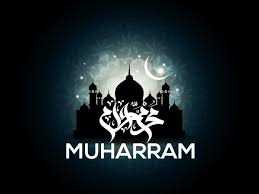
Essence of 8th Muharram in Islamic History

To understand the essence of the 8th Muharram, one must first appreciate the atmosphere of the days leading up to the tragedy of Karbala in 61 AH. Imam Hussain ibn Ali (AS), the grandson of Prophet Muhammad (PBUH), along with his family and a small group of loyal companions, had already reached the plains of Karbala after being intercepted on their journey toward Kufa. By the 7th of Muharram, access to water had been blocked by the forces of Yazid ibn Muawiya. The desert heat, the tightening siege, the armed encirclement, and the emotional weight of separation from safety created a situation of mounting hardship. Within this tense and suffocating atmosphere, the 8th Muharram unfolded as a day of deepening endurance, spiritual fortitude, and moral clarity.

June 25, 2026 | Shugufta Rashid

The month of Muharram holds a place of deep reverence in Islamic history. It marks not only the beginning of the Islamic lunar calendar but also a period of reflection, remembrance, and spiritual awakening for Muslims across the world. Among its significant days, the 8th of Muharram occupies a special and often reflective position within the broader narrative of Karbala, the defining event of sacrifice, resistance, and moral clarity in Islamic tradition.
To understand the essence of the 8th Muharram, one must first appreciate the atmosphere of the days leading up to the tragedy of Karbala in 61 AH. Imam Hussain ibn Ali (AS), the grandson of Prophet Muhammad (PBUH), along with his family and a small group of loyal companions, had already reached the plains of Karbala after being intercepted on their journey toward Kufa. By the 7th of Muharram, access to water had been blocked by the forces of Yazid ibn Muawiya. The desert heat, the tightening siege, the armed encirclement, and the emotional weight of separation from safety created a situation of mounting hardship. Within this tense and suffocating atmosphere, the 8th Muharram unfolded as a day of deepening endurance, spiritual fortitude, and moral clarity.
Unlike Ashura, which marks the culmination of sacrifice, the 8th Muharram represents the intensification of preparation. It is not defined by a single dramatic event but by the steady tightening of pressure on one side and the steady strengthening of faith on the other. On one side stood political authority backed by military force; on the other stood a small group of believers committed to truth, even at the cost of their lives. The camp of Imam Hussain (AS) was not preparing for conquest, political gain, or survival at any cost—it was preparing for the defense of principle, dignity, and divine truth.
A central theme of the 8th Muharram is patience under extreme trial. The companions of Hussain (AS), including members of his blessed family, were enduring unbearable thirst, physical exhaustion, emotional anxiety, and psychological pressure. Yet historical and devotional narratives emphasize a striking reality: there was no fragmentation, no collapse of unity, and no weakening of conviction. Instead, there was increased remembrance of Allah, collective prayer, mutual reassurance, and a deep sense of spiritual alignment. This reflects a fundamental Islamic principle—that true faith (iman) is not proven in comfort but revealed in adversity. The camp of Hussain (AS) became a living embodiment of sabr, where patience itself became an act of worship and resilience transformed into devotion.
The 8th Muharram also sharpens the eternal contrast between haqq (truth) and batil (falsehood). In Islamic moral philosophy, Karbala is not merely an historical confrontation; it is a permanent ethical framework that transcends time. On this day, the contrast between these two paths became more visible as negotiations failed, access to water remained blocked, and the possibility of peaceful resolution faded. Yet Imam Hussain (AS) did not compromise on principles that would have legitimized injustice or normalized deviation from prophetic ethics. His stand emphasized a foundational Islamic truth: legitimacy without justice is hollow, and authority without morality loses divine acceptance.
Another profound dimension of the 8th Muharram lies in its spiritual depth. The members of Hussain’s camp are consistently described in historical and devotional traditions as engaging in continuous prayer, Quranic recitation, supplication, and remembrance of Allah. This spiritual atmosphere was not secondary to their struggle; it was the very core of their strength. In moments where physical survival was threatened, spiritual connection became the primary source of endurance. The 8th Muharram thus teaches that when material support disappears, divine connection becomes the strongest refuge for the human soul.
The significance of this day also lies in its representation of human dignity. Imam Hussain (AS) was offered political compromise and safety by the opposing forces, an arrangement that would have secured worldly comfort and protection. Yet he refused to accept terms that required silence against injustice or endorsement of moral deviation. His refusal was not driven by personal ambition but by responsibility toward truth. This decision elevated Karbala beyond a historical tragedy into a universal symbol of standing against oppression, even when resistance appears numerically weak, politically costly, or materially disadvantageous.
From a broader historical perspective, the 8th Muharram also reflects deep tensions in early Islamic governance, legitimacy, and moral authority. The event of Karbala is widely regarded as a turning point in Islamic history, marking the conflict between ethical governance rooted in prophetic values and political authority driven by power consolidation. While interpretations vary across traditions, the central narrative remains consistent: resistance against coercion and defense of moral truth are non-negotiable principles in Islamic thought. The 8th Muharram sits at the heart of this unfolding moral climax.
Emotionally, the 8th Muharram carries profound resonance. It is the moment when the awareness of impending martyrdom becomes fully internalized among the companions of Hussain (AS). Families remain together, children are present, and the atmosphere is filled with a unique blend of sorrow, surrender, and serenity. Yet instead of despair, there is spiritual acceptance and dignified calm. This emotional discipline is one of the most powerful lessons of Karbala—it demonstrates how faith can transform fear into courage, suffering into meaning, and loss into eternal honor.
The day also functions as a mirror for personal reflection in Islamic spirituality. Muharram is not only about historical remembrance; it is also about ethical self-examination. The 8th Muharram invites believers to examine their own alignment with truth and falsehood in everyday life. Whether in justice, honesty, leadership, or social responsibility, the message of Karbala extends beyond history into present moral decision-making. It asks every individual a timeless question: when truth is inconvenient, do we still stand with it?
Another key aspect of the 8th Muharram is its preparatory nature. It represents the calm before the storm, a suspended moment between awareness of destiny and its fulfillment. Imam Hussain (AS) and his companions were fully aware of what awaited them, yet they chose steadfastness over retreat. This conscious acceptance of sacrifice elevates their stance into a timeless model of moral courage. It teaches that true greatness is not measured by avoidance of hardship but by commitment to principle despite hardship.
In contemporary times, the remembrance of the 8th Muharram continues through sermons, gatherings, and scholarly reflections that emphasize its enduring lessons. Communities revisit its message to strengthen values of patience, justice, and resistance against oppression in all forms. Its relevance persists because its themes—truth, dignity, sacrifice, and moral clarity—are universal and timeless, transcending geography, culture, and era.
The 8th Muharram, therefore, is not defined by a single incident but by a profound state of being. It is the state of standing firm when comfort is withdrawn, holding onto truth when falsehood dominates, and preserving spiritual integrity when material support disappears. It reminds humanity that success in the divine sense is not measured solely by victory in worldly terms, but by sincerity of intention and strength of conviction.
As Muharram moves toward Ashura, the 8th day stands as a crucial phase in the unfolding spiritual narrative of Karbala. It represents deepening trial, intensifying faith, and unwavering commitment to divine truth. The legacy of this day continues to inspire reflection on justice, resilience, and the meaning of sacrifice across generations.
In essence, the 8th Muharram is a moral and spiritual mirror held before humanity. It asks a timeless question: when truth is surrounded and justice is threatened, where does one stand? The answer, as demonstrated in Karbala, lies in steadfastness, sacrifice, and unwavering faith in the ultimate triumph of truth over falsehood. This is the enduring essence of the 8th Muharram—an essence that continues to guide hearts, shape conscience, and illuminate the path of moral courage for all who seek truth in a world of challenges.

BREAKING NEWS

VIDEO

Twitter

Facebook

Essence of 8th Muharram in Islamic History

To understand the essence of the 8th Muharram, one must first appreciate the atmosphere of the days leading up to the tragedy of Karbala in 61 AH. Imam Hussain ibn Ali (AS), the grandson of Prophet Muhammad (PBUH), along with his family and a small group of loyal companions, had already reached the plains of Karbala after being intercepted on their journey toward Kufa. By the 7th of Muharram, access to water had been blocked by the forces of Yazid ibn Muawiya. The desert heat, the tightening siege, the armed encirclement, and the emotional weight of separation from safety created a situation of mounting hardship. Within this tense and suffocating atmosphere, the 8th Muharram unfolded as a day of deepening endurance, spiritual fortitude, and moral clarity.

June 25, 2026 | Shugufta Rashid

The month of Muharram holds a place of deep reverence in Islamic history. It marks not only the beginning of the Islamic lunar calendar but also a period of reflection, remembrance, and spiritual awakening for Muslims across the world. Among its significant days, the 8th of Muharram occupies a special and often reflective position within the broader narrative of Karbala, the defining event of sacrifice, resistance, and moral clarity in Islamic tradition.
To understand the essence of the 8th Muharram, one must first appreciate the atmosphere of the days leading up to the tragedy of Karbala in 61 AH. Imam Hussain ibn Ali (AS), the grandson of Prophet Muhammad (PBUH), along with his family and a small group of loyal companions, had already reached the plains of Karbala after being intercepted on their journey toward Kufa. By the 7th of Muharram, access to water had been blocked by the forces of Yazid ibn Muawiya. The desert heat, the tightening siege, the armed encirclement, and the emotional weight of separation from safety created a situation of mounting hardship. Within this tense and suffocating atmosphere, the 8th Muharram unfolded as a day of deepening endurance, spiritual fortitude, and moral clarity.
Unlike Ashura, which marks the culmination of sacrifice, the 8th Muharram represents the intensification of preparation. It is not defined by a single dramatic event but by the steady tightening of pressure on one side and the steady strengthening of faith on the other. On one side stood political authority backed by military force; on the other stood a small group of believers committed to truth, even at the cost of their lives. The camp of Imam Hussain (AS) was not preparing for conquest, political gain, or survival at any cost—it was preparing for the defense of principle, dignity, and divine truth.
A central theme of the 8th Muharram is patience under extreme trial. The companions of Hussain (AS), including members of his blessed family, were enduring unbearable thirst, physical exhaustion, emotional anxiety, and psychological pressure. Yet historical and devotional narratives emphasize a striking reality: there was no fragmentation, no collapse of unity, and no weakening of conviction. Instead, there was increased remembrance of Allah, collective prayer, mutual reassurance, and a deep sense of spiritual alignment. This reflects a fundamental Islamic principle—that true faith (iman) is not proven in comfort but revealed in adversity. The camp of Hussain (AS) became a living embodiment of sabr, where patience itself became an act of worship and resilience transformed into devotion.
The 8th Muharram also sharpens the eternal contrast between haqq (truth) and batil (falsehood). In Islamic moral philosophy, Karbala is not merely an historical confrontation; it is a permanent ethical framework that transcends time. On this day, the contrast between these two paths became more visible as negotiations failed, access to water remained blocked, and the possibility of peaceful resolution faded. Yet Imam Hussain (AS) did not compromise on principles that would have legitimized injustice or normalized deviation from prophetic ethics. His stand emphasized a foundational Islamic truth: legitimacy without justice is hollow, and authority without morality loses divine acceptance.
Another profound dimension of the 8th Muharram lies in its spiritual depth. The members of Hussain’s camp are consistently described in historical and devotional traditions as engaging in continuous prayer, Quranic recitation, supplication, and remembrance of Allah. This spiritual atmosphere was not secondary to their struggle; it was the very core of their strength. In moments where physical survival was threatened, spiritual connection became the primary source of endurance. The 8th Muharram thus teaches that when material support disappears, divine connection becomes the strongest refuge for the human soul.
The significance of this day also lies in its representation of human dignity. Imam Hussain (AS) was offered political compromise and safety by the opposing forces, an arrangement that would have secured worldly comfort and protection. Yet he refused to accept terms that required silence against injustice or endorsement of moral deviation. His refusal was not driven by personal ambition but by responsibility toward truth. This decision elevated Karbala beyond a historical tragedy into a universal symbol of standing against oppression, even when resistance appears numerically weak, politically costly, or materially disadvantageous.
From a broader historical perspective, the 8th Muharram also reflects deep tensions in early Islamic governance, legitimacy, and moral authority. The event of Karbala is widely regarded as a turning point in Islamic history, marking the conflict between ethical governance rooted in prophetic values and political authority driven by power consolidation. While interpretations vary across traditions, the central narrative remains consistent: resistance against coercion and defense of moral truth are non-negotiable principles in Islamic thought. The 8th Muharram sits at the heart of this unfolding moral climax.
Emotionally, the 8th Muharram carries profound resonance. It is the moment when the awareness of impending martyrdom becomes fully internalized among the companions of Hussain (AS). Families remain together, children are present, and the atmosphere is filled with a unique blend of sorrow, surrender, and serenity. Yet instead of despair, there is spiritual acceptance and dignified calm. This emotional discipline is one of the most powerful lessons of Karbala—it demonstrates how faith can transform fear into courage, suffering into meaning, and loss into eternal honor.
The day also functions as a mirror for personal reflection in Islamic spirituality. Muharram is not only about historical remembrance; it is also about ethical self-examination. The 8th Muharram invites believers to examine their own alignment with truth and falsehood in everyday life. Whether in justice, honesty, leadership, or social responsibility, the message of Karbala extends beyond history into present moral decision-making. It asks every individual a timeless question: when truth is inconvenient, do we still stand with it?
Another key aspect of the 8th Muharram is its preparatory nature. It represents the calm before the storm, a suspended moment between awareness of destiny and its fulfillment. Imam Hussain (AS) and his companions were fully aware of what awaited them, yet they chose steadfastness over retreat. This conscious acceptance of sacrifice elevates their stance into a timeless model of moral courage. It teaches that true greatness is not measured by avoidance of hardship but by commitment to principle despite hardship.
In contemporary times, the remembrance of the 8th Muharram continues through sermons, gatherings, and scholarly reflections that emphasize its enduring lessons. Communities revisit its message to strengthen values of patience, justice, and resistance against oppression in all forms. Its relevance persists because its themes—truth, dignity, sacrifice, and moral clarity—are universal and timeless, transcending geography, culture, and era.
The 8th Muharram, therefore, is not defined by a single incident but by a profound state of being. It is the state of standing firm when comfort is withdrawn, holding onto truth when falsehood dominates, and preserving spiritual integrity when material support disappears. It reminds humanity that success in the divine sense is not measured solely by victory in worldly terms, but by sincerity of intention and strength of conviction.
As Muharram moves toward Ashura, the 8th day stands as a crucial phase in the unfolding spiritual narrative of Karbala. It represents deepening trial, intensifying faith, and unwavering commitment to divine truth. The legacy of this day continues to inspire reflection on justice, resilience, and the meaning of sacrifice across generations.
In essence, the 8th Muharram is a moral and spiritual mirror held before humanity. It asks a timeless question: when truth is surrounded and justice is threatened, where does one stand? The answer, as demonstrated in Karbala, lies in steadfastness, sacrifice, and unwavering faith in the ultimate triumph of truth over falsehood. This is the enduring essence of the 8th Muharram—an essence that continues to guide hearts, shape conscience, and illuminate the path of moral courage for all who seek truth in a world of challenges.


  • Address: R.C 2 Quarters Press Enclave Near Pratap Park, Srinagar 190001.
  • Phone: 0194-2451076 , +91-941-940-0056 , +91-962-292-4716
  • Email: brighterkmr@gmail.com
Owner, Printer, Publisher, Editor: Farooq Ahmad Wani
Legal Advisor: M.J. Hubi
Printed at: Sangermal offset Printing Press Rangreth ( Budgam)
Published from: Gulshanabad Chraresharief Budgam
RNI No.: JKENG/2010/33802
Office No’s: 0194-2451076
Mobile No’s 9419400056, 9622924716 ,7006086442
Postal Regd No: SK/135/2010-2019
POST BOX NO: 1001
Administrative Office: R.C 2 Quarters Press Enclave Near Pratap Park ( Srinagar -190001)

© Copyright 2023 brighterkashmir.com All Rights Reserved. Quantum Technologies

Owner, Printer, Publisher, Editor: Farooq Ahmad Wani
Legal Advisor: M.J. Hubi
Printed at: Abid Enterprizes, Zainkote Srinagar
Published from: Gulshanabad Chraresharief Budgam
RNI No.: JKENG/2010/33802
Office No’s: 0194-2451076, 9622924716 , 9419400056
Postal Regd No: SK/135/2010-2019
Administrative Office: Abi Guzer Srinagar

© Copyright 2018 brighterkashmir.com All Rights Reserved.