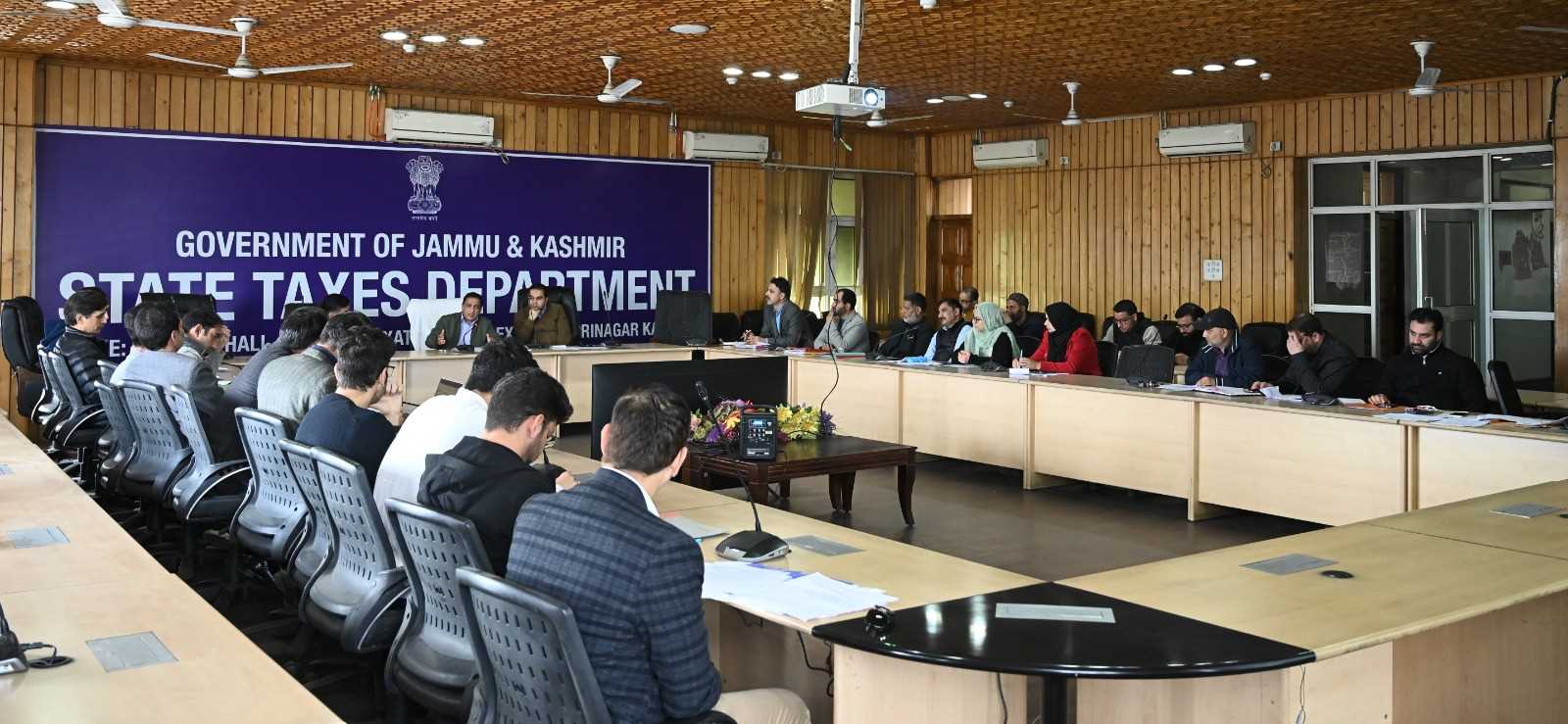
The National Child Development Council (NCDC) held a core committee meeting to discuss the growing issue of excessive screen time and its effects on children, adults, and society as a whole. Members agreed on the urgent need to cut down screen use and encourage purposeful activities to protect physical, mental, and social health.
During the meeting, members pointed out that excessive screen exposure is not just a problem for children anymore; adults are affected, too. The committee noted that young people spend a significant part of their day on mobile phones and digital devices without engaging in structured or meaningful ways. Participants emphasized that reducing screen time is important for everyone, not just kids.
Speakers recognized that digital platforms offer benefits like information access, learning resources, and quick communication. Still, they warned that unregulated use can lead to harmful effects, including addiction, poor time management, decreased concentration, sleep disturbances, and less family interaction. They expressed special concern about excessive nighttime mobile use, which can harm health and productivity.
One member described screen time as “contagious.” Increased usage by adults often influences children and other family members to adopt the same habits. If left unchecked, this behavior gradually turns meaningful time into unproductive routines, reducing attention to work, studies, and family life. Committee members agreed that adults need to set an example by consciously limiting their own screen use.
The discussion also addressed the rise in screen dependency after the pandemic. While digital devices became essential during COVID-19, members noted that this habit has persisted even after things returned to normal. This extended exposure has led to health problems like eye strain, headaches, neck and back pain, reduced physical activity, and lifestyle-related issues.
Several practical recommendations came up during the meeting. They included setting daily screen-time limits, taking breaks between uses, and encouraging outdoor activities, reading, and exercise to strengthen family bonds. Members suggested establishing screen-free times, especially during meals, bedtimes, and family gatherings. One participant shared the idea of keeping Sundays as family time without mobile phones to promote conversation, walks, and shared activities.
The committee also highlighted the role of effective parenting. Parents were encouraged not to use screens as an easy way to manage children, especially at a young age. Instead, they should focus on direct interaction and guidance. Members noted that early regulation can help cultivate healthy habits and character in children.
The council urged schools, families, and communities to collaborate in promoting balanced digital habits for a healthier future.
Notably, the National Child Development Council (NCDC) is a self-governing organization devoted to the well-being and development of women and children throughout India.

The National Child Development Council (NCDC) held a core committee meeting to discuss the growing issue of excessive screen time and its effects on children, adults, and society as a whole. Members agreed on the urgent need to cut down screen use and encourage purposeful activities to protect physical, mental, and social health.
During the meeting, members pointed out that excessive screen exposure is not just a problem for children anymore; adults are affected, too. The committee noted that young people spend a significant part of their day on mobile phones and digital devices without engaging in structured or meaningful ways. Participants emphasized that reducing screen time is important for everyone, not just kids.
Speakers recognized that digital platforms offer benefits like information access, learning resources, and quick communication. Still, they warned that unregulated use can lead to harmful effects, including addiction, poor time management, decreased concentration, sleep disturbances, and less family interaction. They expressed special concern about excessive nighttime mobile use, which can harm health and productivity.
One member described screen time as “contagious.” Increased usage by adults often influences children and other family members to adopt the same habits. If left unchecked, this behavior gradually turns meaningful time into unproductive routines, reducing attention to work, studies, and family life. Committee members agreed that adults need to set an example by consciously limiting their own screen use.
The discussion also addressed the rise in screen dependency after the pandemic. While digital devices became essential during COVID-19, members noted that this habit has persisted even after things returned to normal. This extended exposure has led to health problems like eye strain, headaches, neck and back pain, reduced physical activity, and lifestyle-related issues.
Several practical recommendations came up during the meeting. They included setting daily screen-time limits, taking breaks between uses, and encouraging outdoor activities, reading, and exercise to strengthen family bonds. Members suggested establishing screen-free times, especially during meals, bedtimes, and family gatherings. One participant shared the idea of keeping Sundays as family time without mobile phones to promote conversation, walks, and shared activities.
The committee also highlighted the role of effective parenting. Parents were encouraged not to use screens as an easy way to manage children, especially at a young age. Instead, they should focus on direct interaction and guidance. Members noted that early regulation can help cultivate healthy habits and character in children.
The council urged schools, families, and communities to collaborate in promoting balanced digital habits for a healthier future.
Notably, the National Child Development Council (NCDC) is a self-governing organization devoted to the well-being and development of women and children throughout India.

© Copyright 2023 brighterkashmir.com All Rights Reserved. Quantum Technologies