
BREAKING NEWS
It showed the increasing respectability and significance of journalism in Jammu and Kashmir. The local journalists were not restricted to their regional relevance anymore. They had become influential enough to participate in the international discussions and have their say about security issues within the region. It showed that the freedom of media and its capability to report the truth under any circumstances is perhaps the most powerful tool for democracy in resisting manipulation and misinformation.
The state of Jammu and Kashmir has been one of the most talked about regions in South Asia for many decades. Issues related to conflict, insecurity, global interest, and political perceptions have always played a major role in shaping the image of the valley. In such an atmosphere, journalism has turned out to be a major force in the promotion of democracy through dissemination of information, removal of falsehoods, and bringing forward the true feelings of the people. Through its many years of work in this region, responsible journalism in Jammu and Kashmir has succeeded in altering the perception of the state through development, culture, education, youth aspiration, tourism, and democracy
For a long while, the perspective of Kashmir from an international perspective was that of violence and turmoil. The world had seen Kashmir being portrayed in the media through the filter of selective reporting, political propaganda, and an overall negative external view. However, things changed once journalism got an independent voice and local media gained importance. Through their voices and pen, local journalists, newspapers, digital media houses, and even independent writers started showing the world that Jammu and Kashmir is not just a place with political issues but a vibrant society that is full of creative ideas, determination, and hopes of betterment.
The emergence of digital journalism made things easier. Social media platforms and independent news portals gave young Kashmiri journalists access to the rest of the country and even the world without having to rely on traditional information channels. Issues such as unemployment, health facilities, education sector, tourism, public amenities, and other concerns related to the general public started appearing in news. The success stories of local businesses, students, artists, athletes, and social activists were highlighted.
Various media outlets operating in independent Kashmir have made significant contributions in changing this scenario. Free newspapers and other online platforms have been highlighting the issues of the public, besides covering various aspects of social development and economic prosperity. Tourism, handicrafts, horticulture, literature, and youth-related news items about Jammu and Kashmir have portrayed Kashmir positively, giving a human touch to Kashmir. People from outside Jammu and Kashmir get to know of its positive aspects instead of the conflict-centered image of this region.
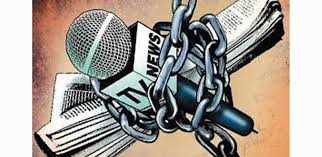
The significance of freedom of press in the region has also been recognized by political leaders as well as members of the civil society. Freedom of press connects institutions and the citizens through reporting various social problems for accountability and transparency. Apart from showcasing the positive aspect of development in the UT of Jammu and Kashmir, journalism has reported the governance problems, concerns of internet censorship, complaints of the people. It is imperative in a democracy that journalism does not serve as a tool of propaganda but presents the reality responsibly.
Various foreign delegations to Jammu and Kashmir have helped in building a better perception about the region in the international community. In addition to the constitutional developments of August 2019, various foreign diplomats and observers have come to the UT of Jammu and Kashmir to learn about the reality of the situation. These delegations have engaged with journalists, students, politicians, businessmen, and members of civil societies rather than getting politically colored information. This has enabled international observers to see democracy in action.
In these instances, the participation of local journalists became highly important in providing facts about governance, economic affairs, socio-economic situation, and democratic process. While engaging in conversations with visiting foreign officials, various issues like development, employment generation, media freedom, investment, tourism, and expectations of the general populace were raised. This engagement was indicative of the fact that democratic dialogue was in full swing in the region, thus proving that many exaggerated statements made by international entities regarding the region were not entirely correct.
In addition to this, after the Pahalgam attack, the importance of journalism grew manifold. The efforts made by local journalists and regional news agencies in covering events, discussing security measures, and reporting on proof of involvement of cross-border activity was noticed by the mainstream media both domestically and internationally. As such, there was increased discussion in the international arena about how Pakistan was encouraging violence in the region. With the help of factual reports that got wide coverage in the international media, Pakistan found itself in hot water diplomatically.
It showed the increasing respectability and significance of journalism in Jammu and Kashmir. The local journalists were not restricted to their regional relevance anymore. They had become influential enough to participate in the international discussions and have their say about security issues within the region. It showed that the freedom of media and its capability to report the truth under any circumstances is perhaps the most powerful tool for democracy in resisting manipulation and misinformation.
Responsible journalism has also played a positive role in shaping the economic and social outlook of Jammu and Kashmir. The positive portrayal of tourist destinations, cultural events, business ventures, and civic initiatives through the media has led to increased investments and tourism activities in the region. Delegates from foreign nations visiting Kashmir often meet with craftsmen, businessmen, tourism agents, and even students of journalism in Kashmir Valley. These interactions paint a picture of a community moving forward towards peace and prosperity.
Today, Jammu and Kashmir is at an important stage in its development as far as social and political transitions are concerned. In such an atmosphere, the role played by free journalism becomes even more significant for the cause of democracy, transparency, and fostering public confidence. The role of journalists in creating an image of Jammu and Kashmir inside and outside the nation cannot be understated. With the help of free journalism and international interaction, a realistic picture of Jammu and Kashmir could reach the world.
Only then can a balanced view about Jammu and Kashmir become possible by taking into consideration the facts, democracy, and the public voice. In this context, the roles played by free journalism and international interaction become very important as they allow the world to see the reality of Jammu and Kashmir.
Email:----------------------aaliyasyedkmr@gmail.com
It showed the increasing respectability and significance of journalism in Jammu and Kashmir. The local journalists were not restricted to their regional relevance anymore. They had become influential enough to participate in the international discussions and have their say about security issues within the region. It showed that the freedom of media and its capability to report the truth under any circumstances is perhaps the most powerful tool for democracy in resisting manipulation and misinformation.
The state of Jammu and Kashmir has been one of the most talked about regions in South Asia for many decades. Issues related to conflict, insecurity, global interest, and political perceptions have always played a major role in shaping the image of the valley. In such an atmosphere, journalism has turned out to be a major force in the promotion of democracy through dissemination of information, removal of falsehoods, and bringing forward the true feelings of the people. Through its many years of work in this region, responsible journalism in Jammu and Kashmir has succeeded in altering the perception of the state through development, culture, education, youth aspiration, tourism, and democracy
For a long while, the perspective of Kashmir from an international perspective was that of violence and turmoil. The world had seen Kashmir being portrayed in the media through the filter of selective reporting, political propaganda, and an overall negative external view. However, things changed once journalism got an independent voice and local media gained importance. Through their voices and pen, local journalists, newspapers, digital media houses, and even independent writers started showing the world that Jammu and Kashmir is not just a place with political issues but a vibrant society that is full of creative ideas, determination, and hopes of betterment.
The emergence of digital journalism made things easier. Social media platforms and independent news portals gave young Kashmiri journalists access to the rest of the country and even the world without having to rely on traditional information channels. Issues such as unemployment, health facilities, education sector, tourism, public amenities, and other concerns related to the general public started appearing in news. The success stories of local businesses, students, artists, athletes, and social activists were highlighted.
Various media outlets operating in independent Kashmir have made significant contributions in changing this scenario. Free newspapers and other online platforms have been highlighting the issues of the public, besides covering various aspects of social development and economic prosperity. Tourism, handicrafts, horticulture, literature, and youth-related news items about Jammu and Kashmir have portrayed Kashmir positively, giving a human touch to Kashmir. People from outside Jammu and Kashmir get to know of its positive aspects instead of the conflict-centered image of this region.
The significance of freedom of press in the region has also been recognized by political leaders as well as members of the civil society. Freedom of press connects institutions and the citizens through reporting various social problems for accountability and transparency. Apart from showcasing the positive aspect of development in the UT of Jammu and Kashmir, journalism has reported the governance problems, concerns of internet censorship, complaints of the people. It is imperative in a democracy that journalism does not serve as a tool of propaganda but presents the reality responsibly.
Various foreign delegations to Jammu and Kashmir have helped in building a better perception about the region in the international community. In addition to the constitutional developments of August 2019, various foreign diplomats and observers have come to the UT of Jammu and Kashmir to learn about the reality of the situation. These delegations have engaged with journalists, students, politicians, businessmen, and members of civil societies rather than getting politically colored information. This has enabled international observers to see democracy in action.
In these instances, the participation of local journalists became highly important in providing facts about governance, economic affairs, socio-economic situation, and democratic process. While engaging in conversations with visiting foreign officials, various issues like development, employment generation, media freedom, investment, tourism, and expectations of the general populace were raised. This engagement was indicative of the fact that democratic dialogue was in full swing in the region, thus proving that many exaggerated statements made by international entities regarding the region were not entirely correct.
In addition to this, after the Pahalgam attack, the importance of journalism grew manifold. The efforts made by local journalists and regional news agencies in covering events, discussing security measures, and reporting on proof of involvement of cross-border activity was noticed by the mainstream media both domestically and internationally. As such, there was increased discussion in the international arena about how Pakistan was encouraging violence in the region. With the help of factual reports that got wide coverage in the international media, Pakistan found itself in hot water diplomatically.
It showed the increasing respectability and significance of journalism in Jammu and Kashmir. The local journalists were not restricted to their regional relevance anymore. They had become influential enough to participate in the international discussions and have their say about security issues within the region. It showed that the freedom of media and its capability to report the truth under any circumstances is perhaps the most powerful tool for democracy in resisting manipulation and misinformation.
Responsible journalism has also played a positive role in shaping the economic and social outlook of Jammu and Kashmir. The positive portrayal of tourist destinations, cultural events, business ventures, and civic initiatives through the media has led to increased investments and tourism activities in the region. Delegates from foreign nations visiting Kashmir often meet with craftsmen, businessmen, tourism agents, and even students of journalism in Kashmir Valley. These interactions paint a picture of a community moving forward towards peace and prosperity.
Today, Jammu and Kashmir is at an important stage in its development as far as social and political transitions are concerned. In such an atmosphere, the role played by free journalism becomes even more significant for the cause of democracy, transparency, and fostering public confidence. The role of journalists in creating an image of Jammu and Kashmir inside and outside the nation cannot be understated. With the help of free journalism and international interaction, a realistic picture of Jammu and Kashmir could reach the world.
Only then can a balanced view about Jammu and Kashmir become possible by taking into consideration the facts, democracy, and the public voice. In this context, the roles played by free journalism and international interaction become very important as they allow the world to see the reality of Jammu and Kashmir.
Email:----------------------aaliyasyedkmr@gmail.com

© Copyright 2023 brighterkashmir.com All Rights Reserved. Quantum Technologies