
BREAKING NEWS
A strong and progressive society is built on education, and in today’s rapidly evolving world, girls’ education has become especially vital. In Jammu and Kashmir, where tradition and modernity exist side by side, educating girls plays a key role in social, economic, and cultural development.
In recent years, there has been a noticeable positive shift in attitudes across the region. More families are encouraging girls to pursue schooling, higher education, and professional careers. As a result, Kashmiri women are increasingly visible in diverse fields such as medicine, education, law enforcement, administration, sports, healthcare, and entrepreneurship.
Education has become a powerful tool of empowerment, giving girls knowledge, confidence, and awareness of their rights. Many young women are now becoming financially independent, supporting their families, and building their own identities within society. While urban areas have seen faster progress, rural regions are gradually following the same path.
Despite this progress, several challenges remain. In remote and rural areas, inadequate school infrastructure, poor transportation, and limited facilities continue to hinder access to education. Safety concerns during travel also discourage some families from sending girls to distant institutions. Financial constraints further limit opportunities for higher education for many households.
Traditional mindsets in certain areas also continue to influence decisions, with early marriage and social expectations restricting educational opportunities for girls. Although these attitudes are slowly changing, they have not disappeared completely. Additionally, the growing influence of social media has created both opportunities and distractions for students.
To address these challenges, various government and institutional initiatives are being implemented, including scholarships, free education schemes, and awareness programmes. The rise of digital learning platforms has further expanded access to education, especially in remote areas. Schools and colleges are also focusing on improving safety and encouraging greater participation of girls in academics and extracurricular activities.
The impact of girls’ education is far-reaching. An educated girl not only improves her own life but also uplifts her family and contributes positively to society. She becomes more aware of health, hygiene, and social issues, and plays a key role in breaking cycles of poverty and inequality.
In conclusion, while Jammu and Kashmir has made significant progress in promoting girls’ education, continued efforts are needed to overcome existing challenges. A collective effort by society, families, and the government is essential to ensure that every girl has the opportunity to learn, grow, and achieve her dreams. Educating girls today will help build a stronger, more prosperous future for the region.
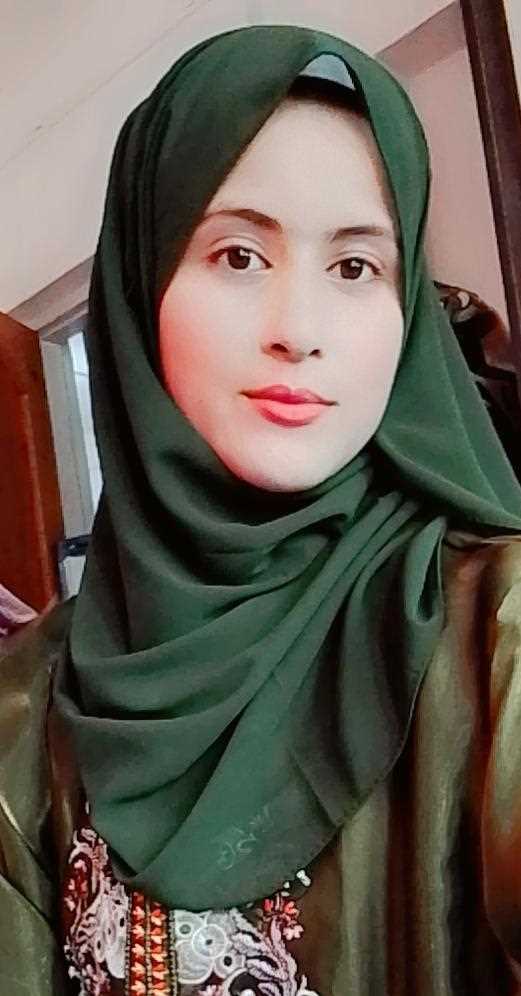
The author is a BA 2nd semester student at GDC Thindim Kreeri
Email: -----------shaziyahassan019@gmail.com
A strong and progressive society is built on education, and in today’s rapidly evolving world, girls’ education has become especially vital. In Jammu and Kashmir, where tradition and modernity exist side by side, educating girls plays a key role in social, economic, and cultural development.
In recent years, there has been a noticeable positive shift in attitudes across the region. More families are encouraging girls to pursue schooling, higher education, and professional careers. As a result, Kashmiri women are increasingly visible in diverse fields such as medicine, education, law enforcement, administration, sports, healthcare, and entrepreneurship.
Education has become a powerful tool of empowerment, giving girls knowledge, confidence, and awareness of their rights. Many young women are now becoming financially independent, supporting their families, and building their own identities within society. While urban areas have seen faster progress, rural regions are gradually following the same path.
Despite this progress, several challenges remain. In remote and rural areas, inadequate school infrastructure, poor transportation, and limited facilities continue to hinder access to education. Safety concerns during travel also discourage some families from sending girls to distant institutions. Financial constraints further limit opportunities for higher education for many households.
Traditional mindsets in certain areas also continue to influence decisions, with early marriage and social expectations restricting educational opportunities for girls. Although these attitudes are slowly changing, they have not disappeared completely. Additionally, the growing influence of social media has created both opportunities and distractions for students.
To address these challenges, various government and institutional initiatives are being implemented, including scholarships, free education schemes, and awareness programmes. The rise of digital learning platforms has further expanded access to education, especially in remote areas. Schools and colleges are also focusing on improving safety and encouraging greater participation of girls in academics and extracurricular activities.
The impact of girls’ education is far-reaching. An educated girl not only improves her own life but also uplifts her family and contributes positively to society. She becomes more aware of health, hygiene, and social issues, and plays a key role in breaking cycles of poverty and inequality.
In conclusion, while Jammu and Kashmir has made significant progress in promoting girls’ education, continued efforts are needed to overcome existing challenges. A collective effort by society, families, and the government is essential to ensure that every girl has the opportunity to learn, grow, and achieve her dreams. Educating girls today will help build a stronger, more prosperous future for the region.
The author is a BA 2nd semester student at GDC Thindim Kreeri
Email: -----------shaziyahassan019@gmail.com

© Copyright 2023 brighterkashmir.com All Rights Reserved. Quantum Technologies