
BREAKING NEWS
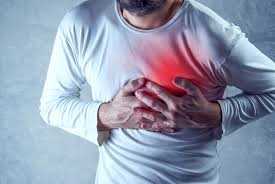
With Kashmir in the grip of harsh winter, the Department of Cardiology at Government Medical College (GMC) Srinagar on Saturday issued a public advisory warning of a significant rise in cardiac emergencies.
“Delay can be fatal,” the advisory highlights.
It details how extreme cold can prove deadly for vulnerable individuals. It urges immediate preventive steps and awareness of warning signs.
Medical experts note that cold weather causes blood vessels to constrict, raising blood pressure and forcing the heart to work harder. This phenomenon is linked to higher rates of heart attacks globally.
According to the advisory, individuals with known heart disease or previous heart attack or stroke; patients with hypertension, diabetes, or kidney disease; elderly persons and smokers and those who abruptly increase physical activity during cold mornings are at high risk of heart attacks.
The GMC’s Department of Cardiology has suggested preventive measures including dressing warmly, particularly protecting the chest, head and extremities; avoid early-morning exposure to extreme cold; continue all prescribed heart medications without interruption; monitor blood pressure regularly, as winter readings tend to rise; exercise moderately and avoid sudden strenuous exertion and seek prompt treatment for respiratory infections, which can trigger cardiac events.
“Timely medical intervention saves lives. Waiting for symptoms to pass can have irreversible consequences,” the advisory stresses.
People with heart disease have been advised to keep emergency contact numbers readily available, and seek immediate medical care at the nearest hospital.
Most winter-related cardiac emergencies are preventable, the advisory added.
With Kashmir in the grip of harsh winter, the Department of Cardiology at Government Medical College (GMC) Srinagar on Saturday issued a public advisory warning of a significant rise in cardiac emergencies.
“Delay can be fatal,” the advisory highlights.
It details how extreme cold can prove deadly for vulnerable individuals. It urges immediate preventive steps and awareness of warning signs.
Medical experts note that cold weather causes blood vessels to constrict, raising blood pressure and forcing the heart to work harder. This phenomenon is linked to higher rates of heart attacks globally.
According to the advisory, individuals with known heart disease or previous heart attack or stroke; patients with hypertension, diabetes, or kidney disease; elderly persons and smokers and those who abruptly increase physical activity during cold mornings are at high risk of heart attacks.
The GMC’s Department of Cardiology has suggested preventive measures including dressing warmly, particularly protecting the chest, head and extremities; avoid early-morning exposure to extreme cold; continue all prescribed heart medications without interruption; monitor blood pressure regularly, as winter readings tend to rise; exercise moderately and avoid sudden strenuous exertion and seek prompt treatment for respiratory infections, which can trigger cardiac events.
“Timely medical intervention saves lives. Waiting for symptoms to pass can have irreversible consequences,” the advisory stresses.
People with heart disease have been advised to keep emergency contact numbers readily available, and seek immediate medical care at the nearest hospital.
Most winter-related cardiac emergencies are preventable, the advisory added.

© Copyright 2023 brighterkashmir.com All Rights Reserved. Quantum Technologies