
BREAKING NEWS
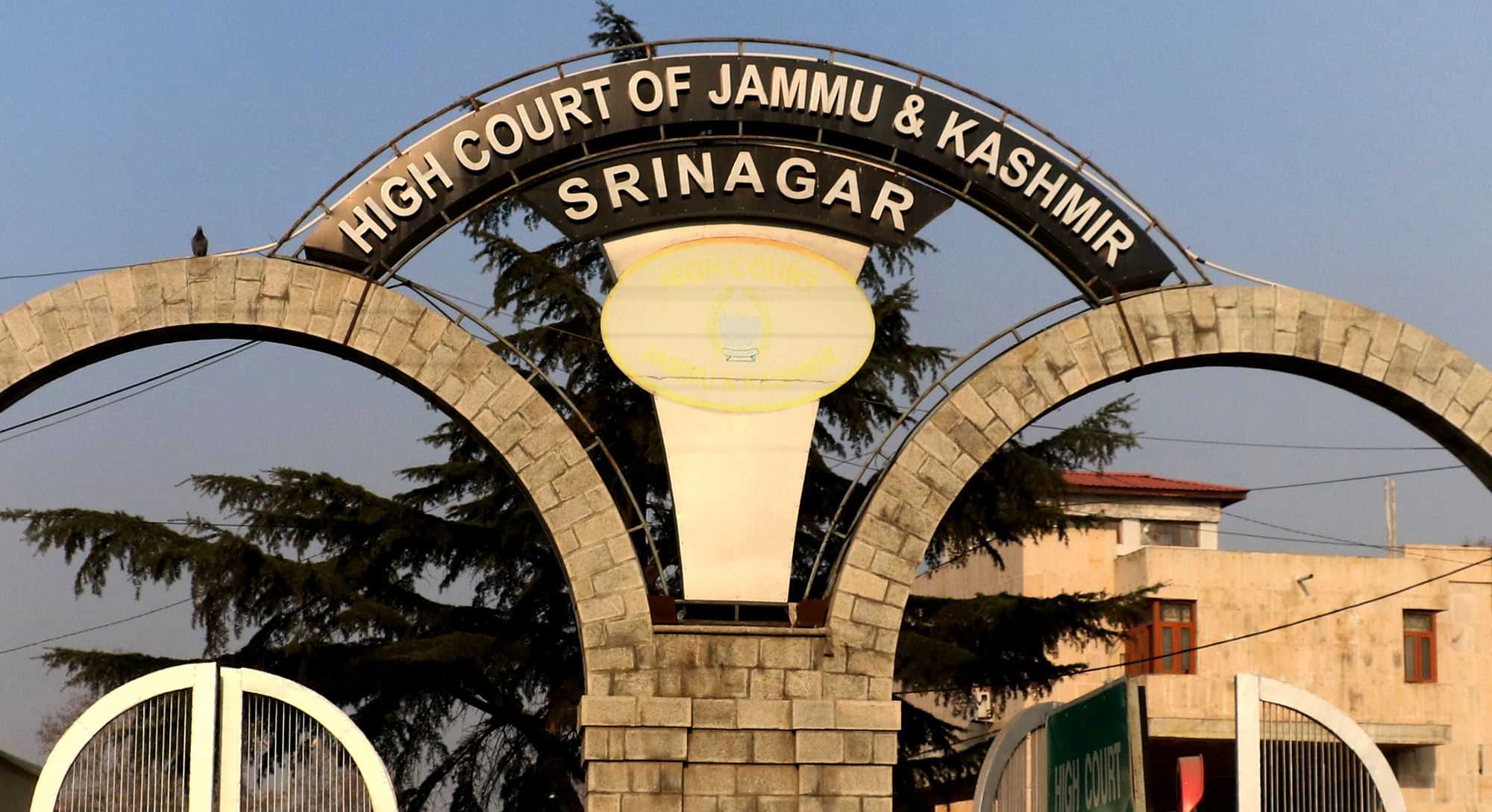
Srinagar, Jan 28: The Jammu & Kashmir and Ladakh High Court has set aside the conviction of a public servant, reaffirming that a mere dishonest claim does not amount to a false document. The Court held that in the absence of proof of authorship, exclusive control, or mens rea, the prosecution’s case falls short of the standard of proof required in criminal law.
The appeal challenged a conviction by the Special Judge (Anti-Corruption), Srinagar, under Section 5(2) of the J&K Prevention of Corruption Act, 2006, and Sections 468 and 471 RPC. The trial court had found that the appellant, employed at SKIMS, Soura, used a fake matriculation certificate and tampered Army Discharge Certificate to secure two promotions, drawing undue pecuniary benefit of ₹2,19,757.
Justice Sanjay Parihar observed that the alleged fake matriculation certificate was never produced in original, not seized from the appellant, and its authorship was unproven. Similarly, the purported interpolation in the discharge certificate was not shown to be done by the appellant, and no expert evidence was presented. The Court noted that the Junior Selection Committee had approved the promotion, indicating institutional sanction rather than individual manipulation.
Citing Supreme Court precedents including Mohd. Ibrahim v. State of Bihar (2009), the Bench emphasized that forgery requires impersonation, unauthorized alteration, or fraudulent procurement, none of which were established in this case.
In view of these findings, the High Court quashed the conviction and sentence, highlighting that the prosecution had failed to meet the stringent criminal standard of proof.
Srinagar, Jan 28: The Jammu & Kashmir and Ladakh High Court has set aside the conviction of a public servant, reaffirming that a mere dishonest claim does not amount to a false document. The Court held that in the absence of proof of authorship, exclusive control, or mens rea, the prosecution’s case falls short of the standard of proof required in criminal law.
The appeal challenged a conviction by the Special Judge (Anti-Corruption), Srinagar, under Section 5(2) of the J&K Prevention of Corruption Act, 2006, and Sections 468 and 471 RPC. The trial court had found that the appellant, employed at SKIMS, Soura, used a fake matriculation certificate and tampered Army Discharge Certificate to secure two promotions, drawing undue pecuniary benefit of ₹2,19,757.
Justice Sanjay Parihar observed that the alleged fake matriculation certificate was never produced in original, not seized from the appellant, and its authorship was unproven. Similarly, the purported interpolation in the discharge certificate was not shown to be done by the appellant, and no expert evidence was presented. The Court noted that the Junior Selection Committee had approved the promotion, indicating institutional sanction rather than individual manipulation.
Citing Supreme Court precedents including Mohd. Ibrahim v. State of Bihar (2009), the Bench emphasized that forgery requires impersonation, unauthorized alteration, or fraudulent procurement, none of which were established in this case.
In view of these findings, the High Court quashed the conviction and sentence, highlighting that the prosecution had failed to meet the stringent criminal standard of proof.

© Copyright 2023 brighterkashmir.com All Rights Reserved. Quantum Technologies