
BREAKING NEWS
For online stores, visuals are at the heart of everything. An image of a single product may look great in a website's webpage, but in social media platforms, static images are not always effective in capturing a user's attention. The speed of users' scrolls is faster than ever, and users are more likely to stop at something that is moving rather than something static.
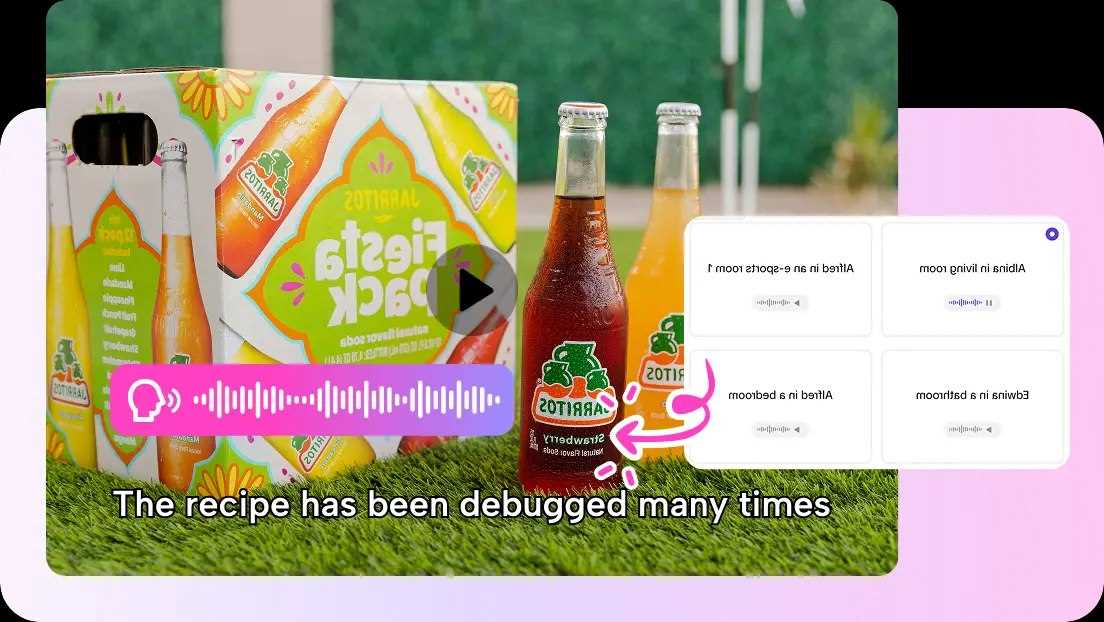
This is where e-commerce businesses are using their product images to create a series of video ads using Seedance 2.0 model under Pippit. Rather than planning a video production for their products, businesses are using the tool to create video ads from their product images. The idea is to use prompts and create a short video ad with moving elements, lighting effects, and contextual scenes in a matter of minutes.
When product images become motion-first marketing
Consider an average online store. Many brands already have many product images stored in their media libraries. They may be catalog shots, lifestyle shots, or detail shots.
Now, think of creating many different ad types from these product images without capturing new content. This is exactly what the Seedance concept of Pippit does. It adds motion, camera movements, and scene continuity to product images so they look like little product advertisements.
Rather than capturing new content, brands are able to extend the life of their existing content.
How this process of transformation usually works
The product details are always clear and recognizable in these ads.
Why video ads are better than static product images
The way people process video is different from the way they process images. Video has an inherent ability to focus the viewer's attention and tell them a story in just seconds.
For e-commerce marketing, using AI video generation, product images are no longer just images; they are stories. The video can showcase the product in many ways, such as:
The product takes on a life of its own, even for the viewer.
The use of Pippit's Seedance workflow helps to enhance this effect, ensuring that details are consistent across frames.
Faster campaign cycles for today's marketing teams
Speed is a major advantage for e-commerce marketing. The traditional campaign process would look like this:
With AI video generation, the process is much shorter and has fewer steps:
The benefits of this are twofold. Marketing teams can try many concepts within the same budget.
Examples of how brands use this flexibility
The fast production of videos ensures that campaigns can be adjusted according to real-time performance.
Storytelling that starts with a product photo
One of the greatest benefits of AI video generation is storytelling for creatives.
A single product photo can turn into a short story about the product – showing how it fits into daily life, or what makes it most appealing.
For instance, a skincare product photo could turn into a soft-lit video scene showing radiant packaging and smooth motions. A sneaker product photo could turn into a dynamic video showing motions and energy.
From product photo to scroll-stopping ad with Pippit
Step 1: Open the video generator
To use Pippit, you first need to sign up and get to the home page. You then click "Video" from the main dashboard or "Video generator" from the left menu. You then write a text prompt and explain your video style, tone, and angles in detail.
Step 2: Generate your video
To generate your video, you click "Add media and more" to add your URLs, images, videos, or documents. You then select your preferred mode, whether it is Lite mode, Agent mode, Veo 3.1, Sora 2, and so on. You then click "Upload reference video" to add a simple video using Agent mode. You then click "Customize video settings" to change duration and spoken language, then click "Generate" to watch Pippit generate your video.
Step 3: Edit & export
Lastly, select your video and click the Play button to play it. For editing, click "Edit more." You can crop, stabilize, and change colors or backgrounds using various tools.
Once done, click "Download" to save your AI video to your device and share it directly to social media.
Where e-commerce teams see the biggest impact
AI-generated videos for products have the highest potential in areas where speed and scale count most.
Some of the areas where brands use Pippit include:
Because of Pippit's fast video creation capabilities, brands can support large product catalogs without overwhelming production teams.
Turning visual assets into marketing engines
Many companies do not realize how valuable existing product image libraries can be. They can actually be used as the basis for unlimited marketing materials.
Rather than creating new campaigns from scratch, brands can use these images in new ways, creating new video ad concepts based on them.
This does not only help brands save time but can actually increase their possibilities many times over.
Each image can serve as inspiration for several video ads, stories, and marketing experiments.
Final thoughts: a smarter way to scale e-commerce advertising
The future of e-commerce marketing is not about creating new content, but about reinventing the content brands already have into new forms of content that people actually want to watch.
Pippit helps brands do this by allowing their product images to be reinvented into compelling video ads using AI generation. With the help of motion, consistency, and speed, brands can move faster while still delivering quality results.
For today's e-commerce marketing teams, this is exactly what their digital storefronts need.
For online stores, visuals are at the heart of everything. An image of a single product may look great in a website's webpage, but in social media platforms, static images are not always effective in capturing a user's attention. The speed of users' scrolls is faster than ever, and users are more likely to stop at something that is moving rather than something static.
This is where e-commerce businesses are using their product images to create a series of video ads using Seedance 2.0 model under Pippit. Rather than planning a video production for their products, businesses are using the tool to create video ads from their product images. The idea is to use prompts and create a short video ad with moving elements, lighting effects, and contextual scenes in a matter of minutes.
When product images become motion-first marketing
Consider an average online store. Many brands already have many product images stored in their media libraries. They may be catalog shots, lifestyle shots, or detail shots.
Now, think of creating many different ad types from these product images without capturing new content. This is exactly what the Seedance concept of Pippit does. It adds motion, camera movements, and scene continuity to product images so they look like little product advertisements.
Rather than capturing new content, brands are able to extend the life of their existing content.
How this process of transformation usually works
The product details are always clear and recognizable in these ads.
Why video ads are better than static product images
The way people process video is different from the way they process images. Video has an inherent ability to focus the viewer's attention and tell them a story in just seconds.
For e-commerce marketing, using AI video generation, product images are no longer just images; they are stories. The video can showcase the product in many ways, such as:
The product takes on a life of its own, even for the viewer.
The use of Pippit's Seedance workflow helps to enhance this effect, ensuring that details are consistent across frames.
Faster campaign cycles for today's marketing teams
Speed is a major advantage for e-commerce marketing. The traditional campaign process would look like this:
With AI video generation, the process is much shorter and has fewer steps:
The benefits of this are twofold. Marketing teams can try many concepts within the same budget.
Examples of how brands use this flexibility
The fast production of videos ensures that campaigns can be adjusted according to real-time performance.
Storytelling that starts with a product photo
One of the greatest benefits of AI video generation is storytelling for creatives.
A single product photo can turn into a short story about the product – showing how it fits into daily life, or what makes it most appealing.
For instance, a skincare product photo could turn into a soft-lit video scene showing radiant packaging and smooth motions. A sneaker product photo could turn into a dynamic video showing motions and energy.
From product photo to scroll-stopping ad with Pippit
Step 1: Open the video generator
To use Pippit, you first need to sign up and get to the home page. You then click "Video" from the main dashboard or "Video generator" from the left menu. You then write a text prompt and explain your video style, tone, and angles in detail.
Step 2: Generate your video
To generate your video, you click "Add media and more" to add your URLs, images, videos, or documents. You then select your preferred mode, whether it is Lite mode, Agent mode, Veo 3.1, Sora 2, and so on. You then click "Upload reference video" to add a simple video using Agent mode. You then click "Customize video settings" to change duration and spoken language, then click "Generate" to watch Pippit generate your video.
Step 3: Edit & export
Lastly, select your video and click the Play button to play it. For editing, click "Edit more." You can crop, stabilize, and change colors or backgrounds using various tools.
Once done, click "Download" to save your AI video to your device and share it directly to social media.
Where e-commerce teams see the biggest impact
AI-generated videos for products have the highest potential in areas where speed and scale count most.
Some of the areas where brands use Pippit include:
Because of Pippit's fast video creation capabilities, brands can support large product catalogs without overwhelming production teams.
Turning visual assets into marketing engines
Many companies do not realize how valuable existing product image libraries can be. They can actually be used as the basis for unlimited marketing materials.
Rather than creating new campaigns from scratch, brands can use these images in new ways, creating new video ad concepts based on them.
This does not only help brands save time but can actually increase their possibilities many times over.
Each image can serve as inspiration for several video ads, stories, and marketing experiments.
Final thoughts: a smarter way to scale e-commerce advertising
The future of e-commerce marketing is not about creating new content, but about reinventing the content brands already have into new forms of content that people actually want to watch.
Pippit helps brands do this by allowing their product images to be reinvented into compelling video ads using AI generation. With the help of motion, consistency, and speed, brands can move faster while still delivering quality results.
For today's e-commerce marketing teams, this is exactly what their digital storefronts need.

© Copyright 2023 brighterkashmir.com All Rights Reserved. Quantum Technologies