
BREAKING NEWS
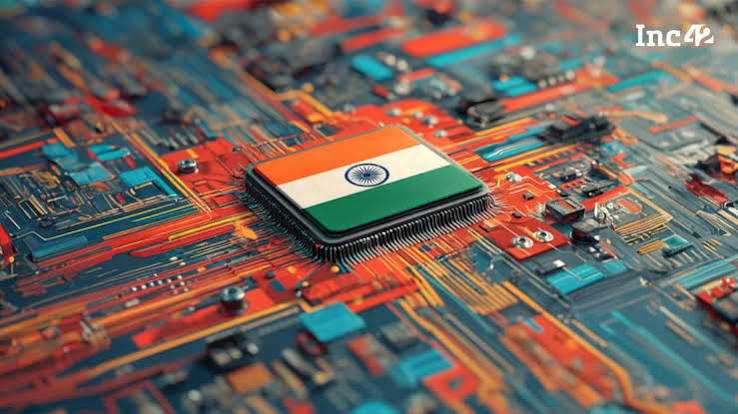
The semiconductor is tiny in size but enormous in strategic importance. From smartphones and automobiles to artificial intelligence, defence systems, satellites and medical equipment, modern economies increasingly depend on chips. India’s decision to deepen its semiconductor ambitions therefore represents more than an industrial policy—it is an attempt to secure a place in the technology architecture of the future. The country has now moved beyond the stage of announcing intentions. Three semiconductor facilities had entered commercial production by July 2026, while 12 projects had been approved across six states. The government says these projects cover fabrication, assembly, testing and packaging, with a broader ecosystem taking shape around them. The next challenge is deeper and more demanding. India Semiconductor Mission 2.0, approved in July with a ₹1.275 lakh crore outlay, seeks to strengthen chip design and manufacturing while building capabilities in equipment, materials, intellectual property and supply chains.This is where the real test begins. Building semiconductor plants is expensive, technically complex and time-consuming. India will need reliable power and water, advanced research facilities, precision manufacturing capabilities, strong logistics and, above all, a large pool of highly skilled engineers and technicians. Government data indicates that the country has already trained 85,000 semiconductor engineers against an original 10-year target, while students from smaller cities are increasingly entering chip design. The opportunity is equally significant. A strong domestic chip ecosystem can reduce vulnerabilities created by concentrated global supply chains, create high-value employment and encourage investment in electronics manufacturing. It can also help Indian companies move from assembling technology to developing and owning more of the technology itself. But self-reliance should not mean technological isolation. Semiconductor manufacturing is inherently global, requiring international partnerships, advanced equipment, specialised materials and access to global markets. India’s objective should therefore be competitive capability, not merely domestic substitution. The next phase must focus on execution. Projects must move from investment announcements to sustained production. Universities and industry must work together to develop specialised talent. Research should receive long-term support, while startups need easier access to capital, fabrication facilities and global markets. India has reached the semiconductor starting line with considerable momentum. The difficult race is now about quality, scale, innovation and consistency. If the ecosystem is built patiently and comprehensively, the chip could become not only a symbol of technological ambition but a foundation of India’s economic and strategic strength.
The semiconductor is tiny in size but enormous in strategic importance. From smartphones and automobiles to artificial intelligence, defence systems, satellites and medical equipment, modern economies increasingly depend on chips. India’s decision to deepen its semiconductor ambitions therefore represents more than an industrial policy—it is an attempt to secure a place in the technology architecture of the future. The country has now moved beyond the stage of announcing intentions. Three semiconductor facilities had entered commercial production by July 2026, while 12 projects had been approved across six states. The government says these projects cover fabrication, assembly, testing and packaging, with a broader ecosystem taking shape around them. The next challenge is deeper and more demanding. India Semiconductor Mission 2.0, approved in July with a ₹1.275 lakh crore outlay, seeks to strengthen chip design and manufacturing while building capabilities in equipment, materials, intellectual property and supply chains.This is where the real test begins. Building semiconductor plants is expensive, technically complex and time-consuming. India will need reliable power and water, advanced research facilities, precision manufacturing capabilities, strong logistics and, above all, a large pool of highly skilled engineers and technicians. Government data indicates that the country has already trained 85,000 semiconductor engineers against an original 10-year target, while students from smaller cities are increasingly entering chip design. The opportunity is equally significant. A strong domestic chip ecosystem can reduce vulnerabilities created by concentrated global supply chains, create high-value employment and encourage investment in electronics manufacturing. It can also help Indian companies move from assembling technology to developing and owning more of the technology itself. But self-reliance should not mean technological isolation. Semiconductor manufacturing is inherently global, requiring international partnerships, advanced equipment, specialised materials and access to global markets. India’s objective should therefore be competitive capability, not merely domestic substitution. The next phase must focus on execution. Projects must move from investment announcements to sustained production. Universities and industry must work together to develop specialised talent. Research should receive long-term support, while startups need easier access to capital, fabrication facilities and global markets. India has reached the semiconductor starting line with considerable momentum. The difficult race is now about quality, scale, innovation and consistency. If the ecosystem is built patiently and comprehensively, the chip could become not only a symbol of technological ambition but a foundation of India’s economic and strategic strength.

© Copyright 2023 brighterkashmir.com All Rights Reserved. Quantum Technologies