
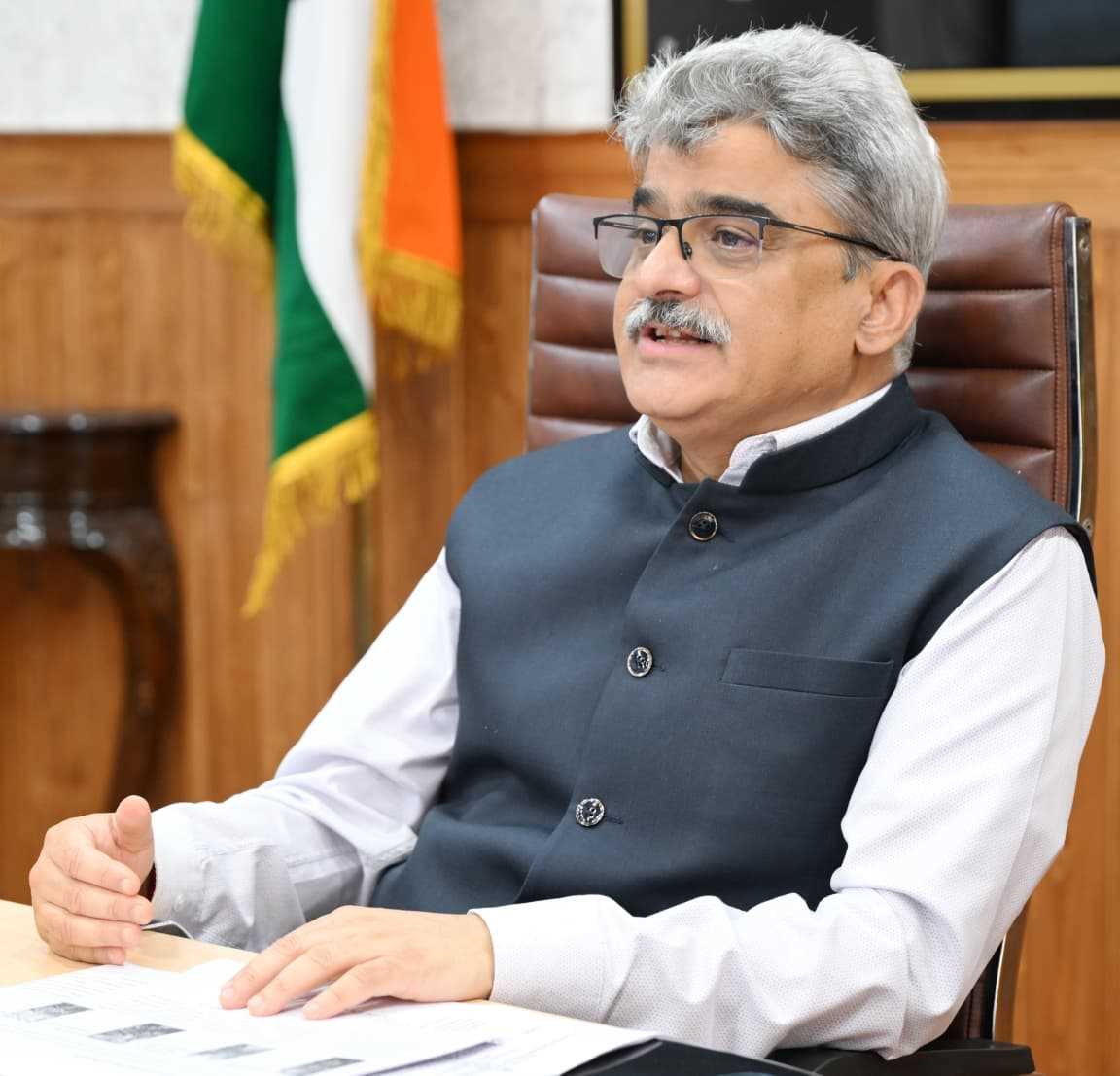
Srinagar, Aug 19: Jammu and Kashmir is set to move towards SDG-linked, outcome-based budgeting, with Chief Secretary Atal Dulloo on Wednesday reviewing a United Nations Development Programme (UNDP) strategy to align the UT’s annual budget with the Sustainable Development Goals.
The meeting examined a proposed framework aimed at linking public expenditure with measurable development outcomes, improving convergence among government schemes and enabling evidence-based allocation of resources.
Dulloo directed the Planning Department to constitute a dedicated team to work with UNDP and prepare a comprehensive, time-bound roadmap identifying interventions, resource requirements and targets under each SDG.
He called for mapping all Centrally Sponsored and UT Government schemes against relevant SDGs to establish how each programme contributes to specific development goals. Departments have also been asked to identify gaps, additional interventions and targeted beneficiary groups.
The Chief Secretary stressed that SDG achievement cannot be pursued in departmental silos and called for greater convergence of schemes and coordinated implementation across sectors.
Additional Chief Secretary, Finance, Shailendra Kumar, emphasised the need to assign a clear role to every scheme in achieving specific SDG targets. He also called for capacity-building of departmental officers to ensure effective implementation of the proposed framework.
The three-year UNDP programme envisages three key components: an SDG Budget Tagging Framework, an integrated digital platform linked with the Integrated Financial Management Information System (IFMIS), and institutional capacity-building through an Output-Outcome Monitoring Framework.
Under the proposed tagging system, schemes and expenditure heads will be classified as Directly Contributing, Indirectly Contributing or Neutral towards SDG goals. The framework is proposed to cover all 20 departments as well as district budgets.
A web-based SDG-IFMIS portal will provide department-, district- and goal-wise information on allocations and expenditure, while quarterly reporting will enable authorities to compare spending with actual outcomes and redirect resources towards areas with greater development gaps.
The initiative builds on J&K’s improving SDG performance. According to the NITI Aayog SDG India Index 2023-24, J&K’s composite SDG score rose from 53 in 2018 to 74 in 2023-24, an improvement of 21 points, making it the second fastest-improving Union Territory.
The UNDP team also highlighted existing institutional mechanisms, including the SDG Coordination Centre, State and District Indicator Frameworks and a live monitoring dashboard covering all 20 districts.
The proposed framework seeks to take J&K beyond simply tracking how much money is spent to measuring what that spending actually delivers—marking a shift towards more accountable, measurable and outcome-driven governance.
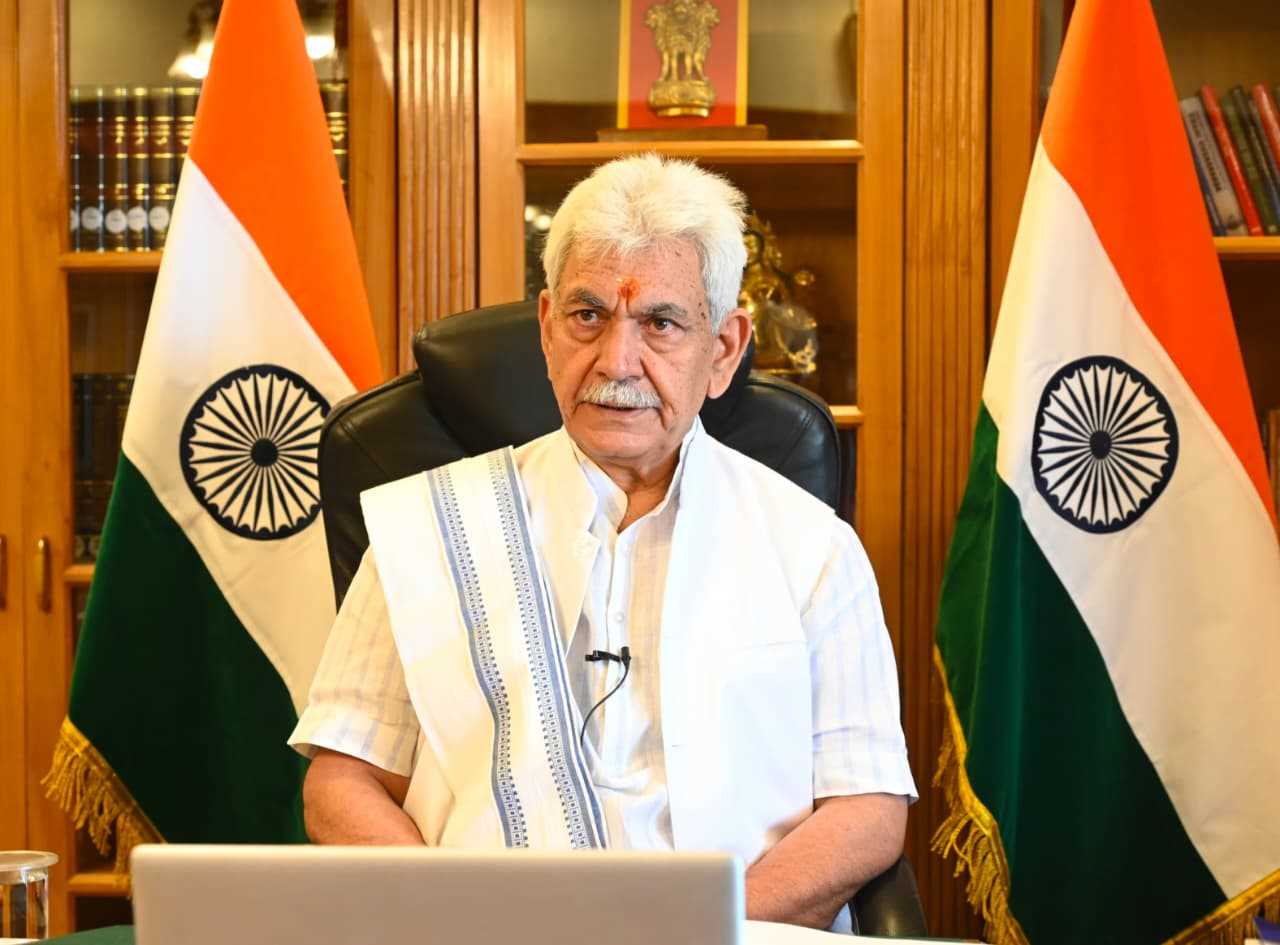
Srinagar, Aug 19: Jammu and Kashmir is set to move towards SDG-linked, outcome-based budgeting, with Chief Secretary Atal Dulloo on Wednesday reviewing a United Nations Development Programme (UNDP) strategy to align the UT’s annual budget with the Sustainable Development Goals.
The meeting examined a proposed framework aimed at linking public expenditure with measurable development outcomes, improving convergence among government schemes and enabling evidence-based allocation of resources.
Dulloo directed the Planning Department to constitute a dedicated team to work with UNDP and prepare a comprehensive, time-bound roadmap identifying interventions, resource requirements and targets under each SDG.
He called for mapping all Centrally Sponsored and UT Government schemes against relevant SDGs to establish how each programme contributes to specific development goals. Departments have also been asked to identify gaps, additional interventions and targeted beneficiary groups.
The Chief Secretary stressed that SDG achievement cannot be pursued in departmental silos and called for greater convergence of schemes and coordinated implementation across sectors.
Additional Chief Secretary, Finance, Shailendra Kumar, emphasised the need to assign a clear role to every scheme in achieving specific SDG targets. He also called for capacity-building of departmental officers to ensure effective implementation of the proposed framework.
The three-year UNDP programme envisages three key components: an SDG Budget Tagging Framework, an integrated digital platform linked with the Integrated Financial Management Information System (IFMIS), and institutional capacity-building through an Output-Outcome Monitoring Framework.
Under the proposed tagging system, schemes and expenditure heads will be classified as Directly Contributing, Indirectly Contributing or Neutral towards SDG goals. The framework is proposed to cover all 20 departments as well as district budgets.
A web-based SDG-IFMIS portal will provide department-, district- and goal-wise information on allocations and expenditure, while quarterly reporting will enable authorities to compare spending with actual outcomes and redirect resources towards areas with greater development gaps.
The initiative builds on J&K’s improving SDG performance. According to the NITI Aayog SDG India Index 2023-24, J&K’s composite SDG score rose from 53 in 2018 to 74 in 2023-24, an improvement of 21 points, making it the second fastest-improving Union Territory.
The UNDP team also highlighted existing institutional mechanisms, including the SDG Coordination Centre, State and District Indicator Frameworks and a live monitoring dashboard covering all 20 districts.
The proposed framework seeks to take J&K beyond simply tracking how much money is spent to measuring what that spending actually delivers—marking a shift towards more accountable, measurable and outcome-driven governance.

© Copyright 2023 brighterkashmir.com All Rights Reserved. Quantum Technologies