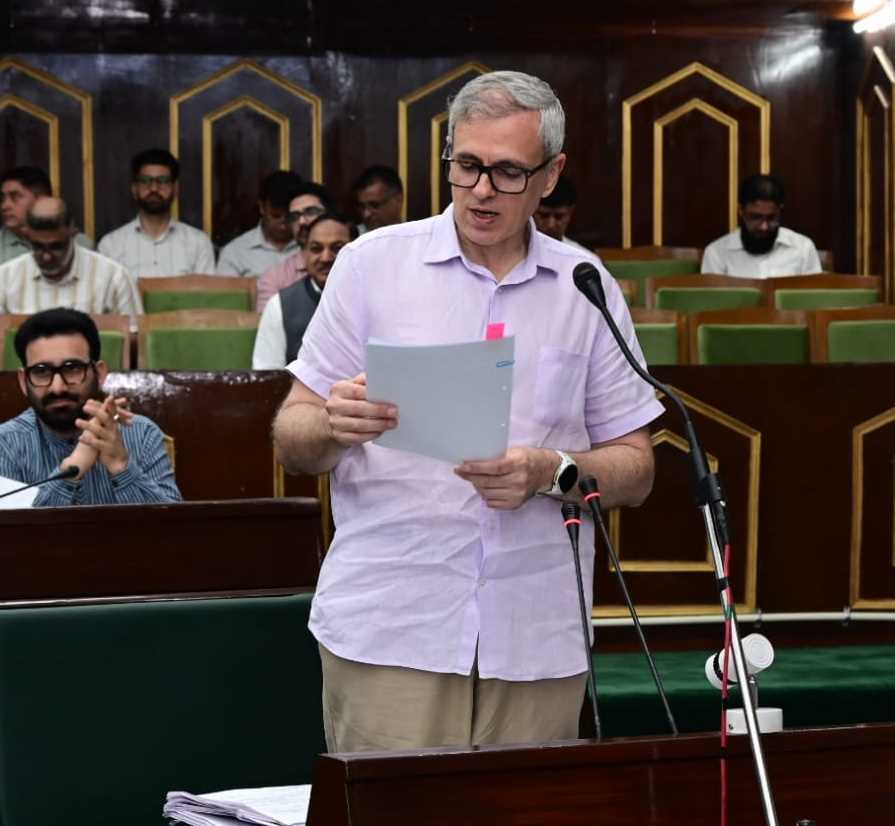
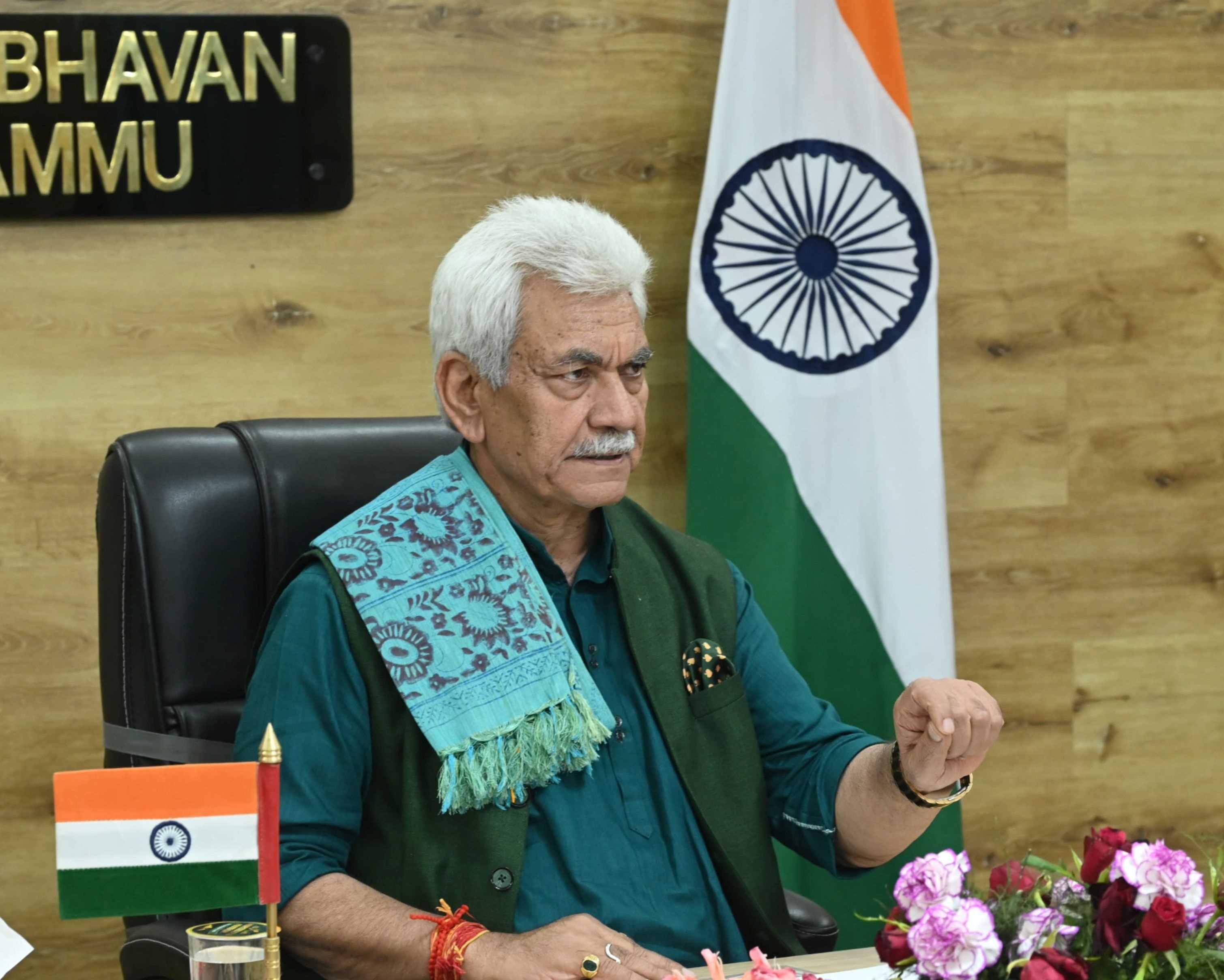
Jammu, Feb 17: The Government of Jammu and Kashmir informed the Legislative Assembly that the Union Territory’s average monthly GST revenue has grown from Rs 300 crore in 2017 to Rs 724 crore by March 2025, with total collections reaching Rs 8,680.2 crore in FY 2024–25.
Finance Minister [Name] stated that the Goods and Services Tax (GST) was implemented in J&K on July 8, 2017, replacing a multi-layered tax system with a unified regime. This shift reduced cascading taxes, simplified compliance, and promoted online registration, return filing, refunds, and e-way bills.
The government highlighted several measures supporting small businesses, including the Composition Scheme for traders and manufacturers with turnover up to Rs 1.5 crore, the QRMP scheme for entities with turnover up to Rs 5 crore, and GST Suvidha Kendras in every district for assistance.
Regarding handicrafts, GST rates were rationalized in September 2025, bringing all handmade and hand-embroidered items under 5% GST, easing compliance for artisans. In tourism, hotels with tariffs below Rs 7,500 now attract 5% GST, while agricultural income in horticulture remains exempt, though value-added activities like grading, packing, and processing are taxed at concessional rates.
The Finance Minister noted that under Article 279A of the Constitution, the GST Council determines rates, rules, and exemptions, and recent reforms have simplified compliance, zero-rated supplies, and appellate procedures.
GST collections in J&K increased steadily: Rs 7,272.75 crore in 2022–23, Rs 8,128.44 crore in 2023–24, and Rs 8,680.2 crore in 2024–25, with IGST settlements standing at Rs 4,922.57 crore, Rs 5,183.62 crore, and Rs 5,688.94 crore, respectively. The Minister emphasized that GST being destination-based, accrues to the state where goods and services are consumed, with the UT receiving its monthly share.

Jammu, Feb 17: The Government of Jammu and Kashmir informed the Legislative Assembly that the Union Territory’s average monthly GST revenue has grown from Rs 300 crore in 2017 to Rs 724 crore by March 2025, with total collections reaching Rs 8,680.2 crore in FY 2024–25.
Finance Minister [Name] stated that the Goods and Services Tax (GST) was implemented in J&K on July 8, 2017, replacing a multi-layered tax system with a unified regime. This shift reduced cascading taxes, simplified compliance, and promoted online registration, return filing, refunds, and e-way bills.
The government highlighted several measures supporting small businesses, including the Composition Scheme for traders and manufacturers with turnover up to Rs 1.5 crore, the QRMP scheme for entities with turnover up to Rs 5 crore, and GST Suvidha Kendras in every district for assistance.
Regarding handicrafts, GST rates were rationalized in September 2025, bringing all handmade and hand-embroidered items under 5% GST, easing compliance for artisans. In tourism, hotels with tariffs below Rs 7,500 now attract 5% GST, while agricultural income in horticulture remains exempt, though value-added activities like grading, packing, and processing are taxed at concessional rates.
The Finance Minister noted that under Article 279A of the Constitution, the GST Council determines rates, rules, and exemptions, and recent reforms have simplified compliance, zero-rated supplies, and appellate procedures.
GST collections in J&K increased steadily: Rs 7,272.75 crore in 2022–23, Rs 8,128.44 crore in 2023–24, and Rs 8,680.2 crore in 2024–25, with IGST settlements standing at Rs 4,922.57 crore, Rs 5,183.62 crore, and Rs 5,688.94 crore, respectively. The Minister emphasized that GST being destination-based, accrues to the state where goods and services are consumed, with the UT receiving its monthly share.
© Copyright 2023 brighterkashmir.com All Rights Reserved. Quantum Technologies