The Union Budget of India for 2026-27 makes clear the intentions of the Government. A sum of ₹4,869.31 crore has been allotted to develop the Union Territory. The budget focuses significantly on capital expenditure, which includes developing key infrastructure like roads, health facilities and educational institutes among others
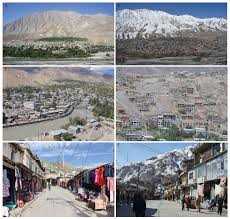
Ladakh, which lies at high altitude in northern India, is renowned for its majestic mountains, strong culture, and significant geographic importance. As tourism expands and development accelerates, Ladakh is increasingly becoming a place that presents challenges as well as opportunities.
Today, Ladakh stands at a critical juncture of its contemporary history, as the UT is now witnessing rapid developmental activities. From building roads to generating renewable energy, from tourism to the implementation of various projects, Ladakh is witnessing significant development in recent years. But, the road ahead remains fraught with challenges. Ladakh has to carefully manage its resources, balance development with ecology and fulfill the aspirations of its inhabitants. How Ladakh navigates through this period of rapid development will determine its future trajectory.
The Union Budget of India for 2026-27 makes clear the intentions of the Government. A sum of ₹4,869.31 crore has been allotted to develop the Union Territory. The budget focuses significantly on capital expenditure, which includes developing key infrastructure like roads, health facilities and educational institutes among others. Administrative improvements are expected to accelerate the process of development, reducing any delay due to inefficiency on paper. Given the significance of connectivity in remote terrains, this financial assistance can revolutionize the life of the villagers by giving them year round connectivity and easy access to services and utilities.
The creation of infrastructure is still the best indicator of changes that can be noted in the region. Work done by Border Roads Organization the has brought about increased connectivity in some of the harshest environments of the world. Inclusion of 125 infrastructural projects, including vital road and bridge construction projects, is reflective of both military and civilian requirements. From among these, the SHYOK TUNNEL project stands apart. This project is anticipated to improve travel times and provide access to all weather in forward locations in the axis of Darbuk Shyok Daulat Beg Oldie. To local communities, besides the military aspect of the project, there will be an added advantage of better access to markets, healthcare facilities, and education institutions.
Alongside the physical infrastructures, the region of Ladakh is also being projected as a renewable energy giant. With its abundant solar energy and wind corridors, the area is an ideal site for producing clean energy sources. The proposed hybrid renewable energy park, with its planned production of 13 gigawatts, has the potential of providing sustainable energy to other areas of the country while at the same time creating employment opportunities.These are in sync with the larger aim of achieving carbon neutrality in Ladakh. But then there are legitimate apprehensions about such endeavors. The effect that they will have on land use, water requirement, and traditional pasturing habits should be scientifically evaluated.
Tourism offers a chance to grow economically. There has been an increasing number of tourists to Ladakh in the last decade, and the government is looking towards making this growth more sustainable. Homestays and community led tours are some of the new policies being implemented. Circuits which involve visits to less popular parts of the region help to relieve the pressure on popular places. Nonetheless, spiritual tourism plays a crucial part in defining Ladakh. The presence of DALAI LAMA is another element that brings depth to the area. The teaching of this spiritual leader is responsible for attracting several followers. Thus, Ladakh becomes the spiritual capital of Buddhism in the world. The monasteries as Thiksey Monastery and Hemis Monastery are important institutions.
However, tourists have to be very careful when visiting these areas. It is crucial to remember that the region does not have much tolerance to the rapid growth of the tourism industry. The problem of waste management in Ladakh is still topical. Moreover, water shortage occurs during the season of mass tourism. Furthermore, changes in the climate contribute to altering the weather and the glaciers in the area.
The human side of development is no less important. The youth of Ladakh face an exciting period ahead of them. Training and entrepreneurship programs are emerging slowly but steadily. Efforts are being made to highlight the unique regional aspects of local products in areas such as handicraft and agriculture. Nevertheless, worries remain regarding foreign investments in the area, and their effects on the local populace. Most locals want assurances that any economic benefit will not skip the locals themselves.
The transformation process of Ladakh cannot be reduced to mere construction of roads and power stations, as well as tourism. The goal of the development strategy should aim at finding balance between environmental conservation and preserving the unique cultural heritage of Ladakh. The ecological system of the high altitude desert environment is one of the most delicate ecosystems in the world. On the other hand, the cultural heritage, developed during centuries, is very resilient to adverse effects of globalization.
The way forward is complicated yet hopeful. Ladakh may become an example of a model of sustainable development of a territory with harsh climatic conditions. It will be able to prove how the use of renewable energy sources, sustainable tourism, and cultural heritage protection may combine with economic considerations. Thus, the present stage of the territory’s history can be considered rather favorable for the future.
Email:----------------aaliyasyedkmr@gmail.com

The Union Budget of India for 2026-27 makes clear the intentions of the Government. A sum of ₹4,869.31 crore has been allotted to develop the Union Territory. The budget focuses significantly on capital expenditure, which includes developing key infrastructure like roads, health facilities and educational institutes among others
Ladakh, which lies at high altitude in northern India, is renowned for its majestic mountains, strong culture, and significant geographic importance. As tourism expands and development accelerates, Ladakh is increasingly becoming a place that presents challenges as well as opportunities.
Today, Ladakh stands at a critical juncture of its contemporary history, as the UT is now witnessing rapid developmental activities. From building roads to generating renewable energy, from tourism to the implementation of various projects, Ladakh is witnessing significant development in recent years. But, the road ahead remains fraught with challenges. Ladakh has to carefully manage its resources, balance development with ecology and fulfill the aspirations of its inhabitants. How Ladakh navigates through this period of rapid development will determine its future trajectory.
The Union Budget of India for 2026-27 makes clear the intentions of the Government. A sum of ₹4,869.31 crore has been allotted to develop the Union Territory. The budget focuses significantly on capital expenditure, which includes developing key infrastructure like roads, health facilities and educational institutes among others. Administrative improvements are expected to accelerate the process of development, reducing any delay due to inefficiency on paper. Given the significance of connectivity in remote terrains, this financial assistance can revolutionize the life of the villagers by giving them year round connectivity and easy access to services and utilities.
The creation of infrastructure is still the best indicator of changes that can be noted in the region. Work done by Border Roads Organization the has brought about increased connectivity in some of the harshest environments of the world. Inclusion of 125 infrastructural projects, including vital road and bridge construction projects, is reflective of both military and civilian requirements. From among these, the SHYOK TUNNEL project stands apart. This project is anticipated to improve travel times and provide access to all weather in forward locations in the axis of Darbuk Shyok Daulat Beg Oldie. To local communities, besides the military aspect of the project, there will be an added advantage of better access to markets, healthcare facilities, and education institutions.
Alongside the physical infrastructures, the region of Ladakh is also being projected as a renewable energy giant. With its abundant solar energy and wind corridors, the area is an ideal site for producing clean energy sources. The proposed hybrid renewable energy park, with its planned production of 13 gigawatts, has the potential of providing sustainable energy to other areas of the country while at the same time creating employment opportunities.These are in sync with the larger aim of achieving carbon neutrality in Ladakh. But then there are legitimate apprehensions about such endeavors. The effect that they will have on land use, water requirement, and traditional pasturing habits should be scientifically evaluated.
Tourism offers a chance to grow economically. There has been an increasing number of tourists to Ladakh in the last decade, and the government is looking towards making this growth more sustainable. Homestays and community led tours are some of the new policies being implemented. Circuits which involve visits to less popular parts of the region help to relieve the pressure on popular places. Nonetheless, spiritual tourism plays a crucial part in defining Ladakh. The presence of DALAI LAMA is another element that brings depth to the area. The teaching of this spiritual leader is responsible for attracting several followers. Thus, Ladakh becomes the spiritual capital of Buddhism in the world. The monasteries as Thiksey Monastery and Hemis Monastery are important institutions.
However, tourists have to be very careful when visiting these areas. It is crucial to remember that the region does not have much tolerance to the rapid growth of the tourism industry. The problem of waste management in Ladakh is still topical. Moreover, water shortage occurs during the season of mass tourism. Furthermore, changes in the climate contribute to altering the weather and the glaciers in the area.
The human side of development is no less important. The youth of Ladakh face an exciting period ahead of them. Training and entrepreneurship programs are emerging slowly but steadily. Efforts are being made to highlight the unique regional aspects of local products in areas such as handicraft and agriculture. Nevertheless, worries remain regarding foreign investments in the area, and their effects on the local populace. Most locals want assurances that any economic benefit will not skip the locals themselves.
The transformation process of Ladakh cannot be reduced to mere construction of roads and power stations, as well as tourism. The goal of the development strategy should aim at finding balance between environmental conservation and preserving the unique cultural heritage of Ladakh. The ecological system of the high altitude desert environment is one of the most delicate ecosystems in the world. On the other hand, the cultural heritage, developed during centuries, is very resilient to adverse effects of globalization.
The way forward is complicated yet hopeful. Ladakh may become an example of a model of sustainable development of a territory with harsh climatic conditions. It will be able to prove how the use of renewable energy sources, sustainable tourism, and cultural heritage protection may combine with economic considerations. Thus, the present stage of the territory’s history can be considered rather favorable for the future.
Email:----------------aaliyasyedkmr@gmail.com
© Copyright 2023 brighterkashmir.com All Rights Reserved. Quantum Technologies