
Kashmir is not a concept, it is a smell, a sound, a sight - parathas, trams, rickshaws, rivers and ruins
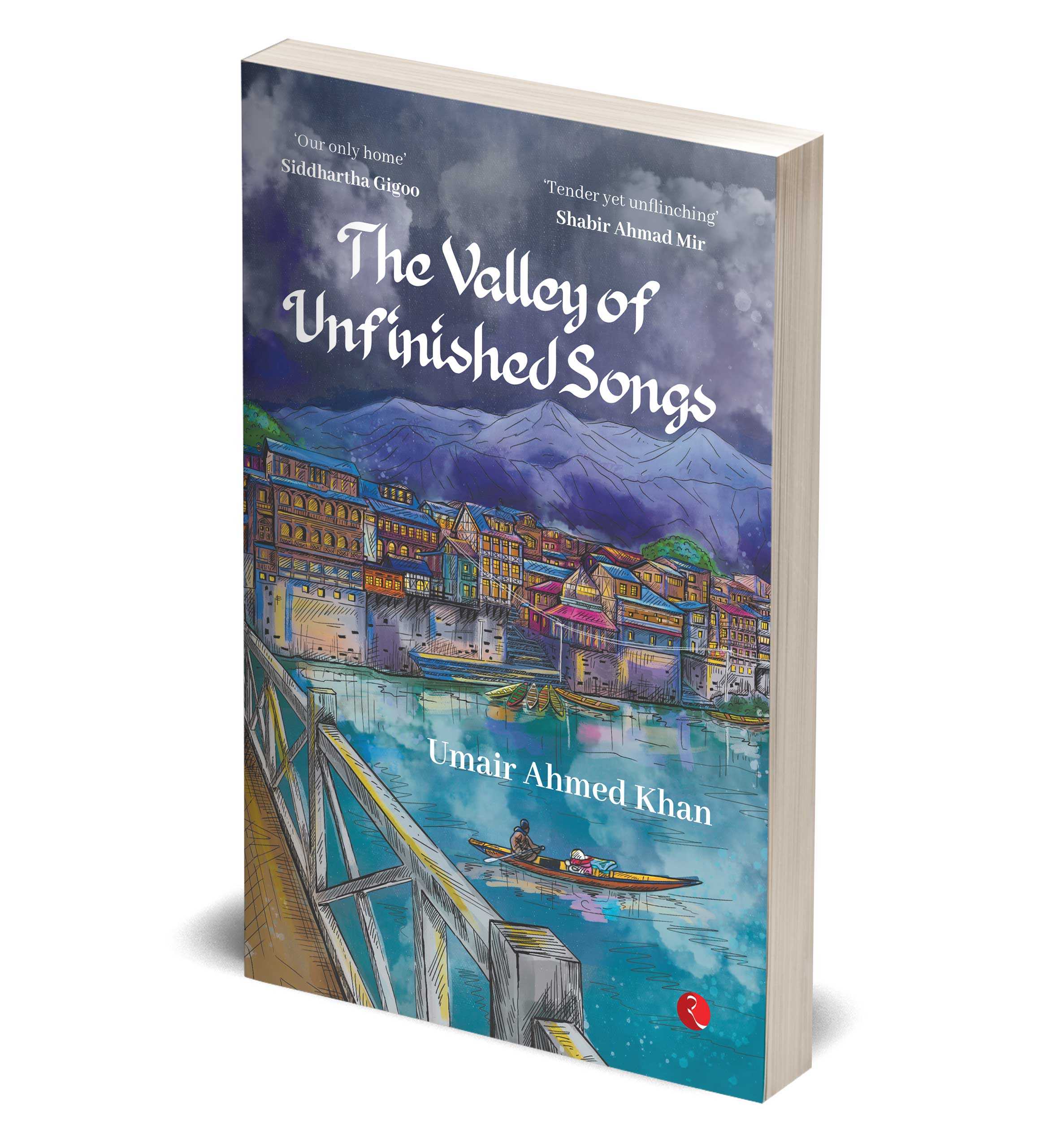
Umair Ahmed Khan's ‘The Valley of Unfinished Songs’ (Rupa Publications) is a breath after years of having it. It is a very intimate examination and a collective account of broken memories of Kashmir. The book is written very close and almost movie-like and switches between the generations, places and voices and connects the sensation of missing a person, sadness and power to continue.
In fact, the history of the novel is one of hearing, or listening to the houses that are crumbling, yet still breathing like old tales, to rivers that will carry you through time, to children who laugh in a new way, to a country that is singing, even when it has not gone up to high.
Traditions and Recollections
The concept of the story is based on a minor fact that the author did: he had paid a visit to the old dry fruit shop of Raju Bhai in Habba Kadal. The pleasantness of that - the smile, the free nuts and berries, the "RJ's here!" greeting - expresses the little gestures that hold the memory vivid. Then the story spreads and permeates to the bridge across the Jhelum, the rows of wooden houses, and one house that appeared to wish its tale to be told.
Due to being founded on actuality, the novel is real. Kashmir is not a concept, it is a smell, a sound, a sight - parathas, trams, rickshaws, rivers and ruins. The fact that the author has worked in radio can be seen in the way he articulates silence, which makes what he sees a story.
Personal Stuff Versus Politics
It is not only the book of the author rediscovering himself, but it is also a pondering over the harsh history of Kashmir. The background is the 1990s, when there was a fight, and Hindu Pandits fled and injured Muslim families as well. But Khan does not attempt to put things bigger than they are.
He writes with a kind, understanding, and deep manner. He does not yell but allows voices of orphans, friends and strangers to form a part of the story.
This has attracted the attention of critics. According to author Shabir Ahmad Mir, the novel is a good but candid examination of loss, missing someone, and the fragile things that bring memory to who we are.
As per author Siddhartha Gigoo, it's a song that has been long lost, one that has become our home only. Its healing effect is mentioned by Rahman Abbas, and its transformation as a huge win in realistic writing, revealing the sad story of Kashmir, is mentioned by Prof. Ishtiaq Ahmed.
How it’s Put Together
The book is divided into three sections, namely Chillai Kalaan (The Big Cold), Chillai Khurd (The Small Cold), and Chillai Bacche (The Baby Cold). This three-part arrangement reproduces the winter of Kashmir, with its degrees of cold, and symbolises the various strata of being hurt and getting better. Every section switches between individuals and periods and creates a visual narrative rather than a linear narrative.
Khan writes in such a manner that he observes things poetically. Jhelum is not a river; it makes things appear as a mirror. A house in ruins is not only dying but breathing its old history. It has a poetic quality that is similar to the rhythms of Kashmiri tales and Persian-Urdu texts.
Author’s Tale
The author owes his grandfathers, one of whom is clever and another wise, and the blessings of them are like an umbrella of being an adult and secure.
He recalls his grandma sitting and watching him type for hours, and it made her laugh, and she was concerned about him. He owes his debt to friends in Kashmir, colleagues in radio, as well as those who assisted him in publishing.
This list of thanks indicates that telling stories is a community affair in that a book is never written in solitude but with the assistance of people of the past and the present.
Author’s Story
Umair Ahmed Khan is a novelist, radio host on FM Rainbow of the All India Radio in Mumbai, TV screenplay writer, online screenplay writer, and a person who promotes Hindi, Urdu and Persian literature. The novel displays his work experience. Radio educates him to listen; the screenwriting tells him to talk and write things; the theatre to the scene; writing aids it.
When he left a company job to return to Kashmir, he had no strategy, simply a sense, and that was something huge. It was then that he returned and met orphans singing in a free manner that the stories began to come together. In this way, both the personal way of getting better and the public way of speaking out are in the novel.
Why the Book is Important
The Valley of Unfinished Songs is important in that it does not attempt to bring everything to a close. It does not offer easy solutions, but the minds that it tells are that the memories are never truly. In so doing, it recreates Kashmir itself, beautiful and fighting, with unheard songs cut off but heard.
In summary
Finally, Khan credits Kashmir, its air, its rivers and its people as having taught him how to be a strong man. He even thanks himself that he did not giving up when it was easier to do so. It is a thankfulness, and is a credit to himself, to write that thanking is uncommon; and thanking frequently is a triumphant; but thanking always is a believing.
The Valley of Unfinished Songs is a novel that will be remembered. It is good, sincere and very nice. It hearkens, and hearkens, it allows Kashmir to sing.
Email:--------------------------daanishinterview@gmail.com

Kashmir is not a concept, it is a smell, a sound, a sight - parathas, trams, rickshaws, rivers and ruins
Umair Ahmed Khan's ‘The Valley of Unfinished Songs’ (Rupa Publications) is a breath after years of having it. It is a very intimate examination and a collective account of broken memories of Kashmir. The book is written very close and almost movie-like and switches between the generations, places and voices and connects the sensation of missing a person, sadness and power to continue.
In fact, the history of the novel is one of hearing, or listening to the houses that are crumbling, yet still breathing like old tales, to rivers that will carry you through time, to children who laugh in a new way, to a country that is singing, even when it has not gone up to high.
Traditions and Recollections
The concept of the story is based on a minor fact that the author did: he had paid a visit to the old dry fruit shop of Raju Bhai in Habba Kadal. The pleasantness of that - the smile, the free nuts and berries, the "RJ's here!" greeting - expresses the little gestures that hold the memory vivid. Then the story spreads and permeates to the bridge across the Jhelum, the rows of wooden houses, and one house that appeared to wish its tale to be told.
Due to being founded on actuality, the novel is real. Kashmir is not a concept, it is a smell, a sound, a sight - parathas, trams, rickshaws, rivers and ruins. The fact that the author has worked in radio can be seen in the way he articulates silence, which makes what he sees a story.
Personal Stuff Versus Politics
It is not only the book of the author rediscovering himself, but it is also a pondering over the harsh history of Kashmir. The background is the 1990s, when there was a fight, and Hindu Pandits fled and injured Muslim families as well. But Khan does not attempt to put things bigger than they are.
He writes with a kind, understanding, and deep manner. He does not yell but allows voices of orphans, friends and strangers to form a part of the story.
This has attracted the attention of critics. According to author Shabir Ahmad Mir, the novel is a good but candid examination of loss, missing someone, and the fragile things that bring memory to who we are.
As per author Siddhartha Gigoo, it's a song that has been long lost, one that has become our home only. Its healing effect is mentioned by Rahman Abbas, and its transformation as a huge win in realistic writing, revealing the sad story of Kashmir, is mentioned by Prof. Ishtiaq Ahmed.
How it’s Put Together
The book is divided into three sections, namely Chillai Kalaan (The Big Cold), Chillai Khurd (The Small Cold), and Chillai Bacche (The Baby Cold). This three-part arrangement reproduces the winter of Kashmir, with its degrees of cold, and symbolises the various strata of being hurt and getting better. Every section switches between individuals and periods and creates a visual narrative rather than a linear narrative.
Khan writes in such a manner that he observes things poetically. Jhelum is not a river; it makes things appear as a mirror. A house in ruins is not only dying but breathing its old history. It has a poetic quality that is similar to the rhythms of Kashmiri tales and Persian-Urdu texts.
Author’s Tale
The author owes his grandfathers, one of whom is clever and another wise, and the blessings of them are like an umbrella of being an adult and secure.
He recalls his grandma sitting and watching him type for hours, and it made her laugh, and she was concerned about him. He owes his debt to friends in Kashmir, colleagues in radio, as well as those who assisted him in publishing.
This list of thanks indicates that telling stories is a community affair in that a book is never written in solitude but with the assistance of people of the past and the present.
Author’s Story
Umair Ahmed Khan is a novelist, radio host on FM Rainbow of the All India Radio in Mumbai, TV screenplay writer, online screenplay writer, and a person who promotes Hindi, Urdu and Persian literature. The novel displays his work experience. Radio educates him to listen; the screenwriting tells him to talk and write things; the theatre to the scene; writing aids it.
When he left a company job to return to Kashmir, he had no strategy, simply a sense, and that was something huge. It was then that he returned and met orphans singing in a free manner that the stories began to come together. In this way, both the personal way of getting better and the public way of speaking out are in the novel.
Why the Book is Important
The Valley of Unfinished Songs is important in that it does not attempt to bring everything to a close. It does not offer easy solutions, but the minds that it tells are that the memories are never truly. In so doing, it recreates Kashmir itself, beautiful and fighting, with unheard songs cut off but heard.
In summary
Finally, Khan credits Kashmir, its air, its rivers and its people as having taught him how to be a strong man. He even thanks himself that he did not giving up when it was easier to do so. It is a thankfulness, and is a credit to himself, to write that thanking is uncommon; and thanking frequently is a triumphant; but thanking always is a believing.
The Valley of Unfinished Songs is a novel that will be remembered. It is good, sincere and very nice. It hearkens, and hearkens, it allows Kashmir to sing.
Email:--------------------------daanishinterview@gmail.com

© Copyright 2023 brighterkashmir.com All Rights Reserved. Quantum Technologies