
BREAKING NEWS
Speaks to Israeli PM, Saudi Prince, UAE prez & Bahrain King
*Condemns attacks on their countries
*We support de-escalation, regional peace, security & stability
BK News Service
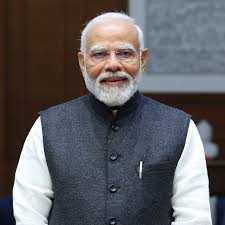
New Delhi, Mar 2: Prime Minister Narendra Modi expressed deep concern over the escalating conflict in West Asia, emphasizing India’s commitment to dialogue, diplomacy, and the safety of Indian citizens in the region. Speaking at a joint press briefing with Canadian Prime Minister Mark Carney, Modi stated, “India wants all conflicts to be resolved through dialogue and diplomacy. We shall continue working with the nations in the region to secure the safety of all Indians. The current situation in West Asia is of grave concern.”
In a series of telephonic conversations with key regional leaders, Modi reiterated India’s priority of civilian protection and regional stability. He spoke to Israeli Prime Minister Benjamin Netanyahu, conveying India’s concern over recent developments, and underscored the urgency for an early cessation of hostilities following the U.S. and Israeli attacks on Iran that resulted in the killing of Supreme Leader Ayatollah Ali Khamenei.
Further, the Prime Minister contacted King Hamad Bin Isa Al Khalifa of Bahrain and Crown Prince and Prime Minister Mohammed Bin Salman of Saudi Arabia, condemning attacks on their countries and emphasizing the need for restoring peace and stability in the region. Modi also thanked the leaders for ensuring the welfare of the Indian community amid the unrest.
Earlier, Modi had spoken to UAE President Sheikh Mohamed bin Zayed Al Nahyan, expressing condolences for lives lost in attacks on the Gulf nation and appreciating efforts to safeguard the large Indian diaspora residing there. “India stands in solidarity with the UAE in these difficult times,” Modi said, reaffirming the country’s support for de-escalation and regional security.
These engagements reflect India’s broader stance on West Asia: advocating restraint, dialogue, and coordinated diplomacy to prevent further escalation while maintaining close ties with all major regional stakeholders. By actively communicating with leaders across Israel, Iran’s neighboring states, and Gulf nations, the government aims to protect Indian nationals, support civilian safety, and contribute to regional peace.
The Prime Minister’s proactive diplomatic efforts underscore India’s dual approach: safeguarding its citizens abroad and promoting stability in a region critical to global energy security, trade, and the welfare of its diaspora. As tensions remain high, India continues to call for calm, responsible leadership, and a return to dialogue as the pathway to sustainable peace in West Asia.
Speaks to Israeli PM, Saudi Prince, UAE prez & Bahrain King
*Condemns attacks on their countries
*We support de-escalation, regional peace, security & stability
BK News Service
New Delhi, Mar 2: Prime Minister Narendra Modi expressed deep concern over the escalating conflict in West Asia, emphasizing India’s commitment to dialogue, diplomacy, and the safety of Indian citizens in the region. Speaking at a joint press briefing with Canadian Prime Minister Mark Carney, Modi stated, “India wants all conflicts to be resolved through dialogue and diplomacy. We shall continue working with the nations in the region to secure the safety of all Indians. The current situation in West Asia is of grave concern.”
In a series of telephonic conversations with key regional leaders, Modi reiterated India’s priority of civilian protection and regional stability. He spoke to Israeli Prime Minister Benjamin Netanyahu, conveying India’s concern over recent developments, and underscored the urgency for an early cessation of hostilities following the U.S. and Israeli attacks on Iran that resulted in the killing of Supreme Leader Ayatollah Ali Khamenei.
Further, the Prime Minister contacted King Hamad Bin Isa Al Khalifa of Bahrain and Crown Prince and Prime Minister Mohammed Bin Salman of Saudi Arabia, condemning attacks on their countries and emphasizing the need for restoring peace and stability in the region. Modi also thanked the leaders for ensuring the welfare of the Indian community amid the unrest.
Earlier, Modi had spoken to UAE President Sheikh Mohamed bin Zayed Al Nahyan, expressing condolences for lives lost in attacks on the Gulf nation and appreciating efforts to safeguard the large Indian diaspora residing there. “India stands in solidarity with the UAE in these difficult times,” Modi said, reaffirming the country’s support for de-escalation and regional security.
These engagements reflect India’s broader stance on West Asia: advocating restraint, dialogue, and coordinated diplomacy to prevent further escalation while maintaining close ties with all major regional stakeholders. By actively communicating with leaders across Israel, Iran’s neighboring states, and Gulf nations, the government aims to protect Indian nationals, support civilian safety, and contribute to regional peace.
The Prime Minister’s proactive diplomatic efforts underscore India’s dual approach: safeguarding its citizens abroad and promoting stability in a region critical to global energy security, trade, and the welfare of its diaspora. As tensions remain high, India continues to call for calm, responsible leadership, and a return to dialogue as the pathway to sustainable peace in West Asia.

© Copyright 2023 brighterkashmir.com All Rights Reserved. Quantum Technologies