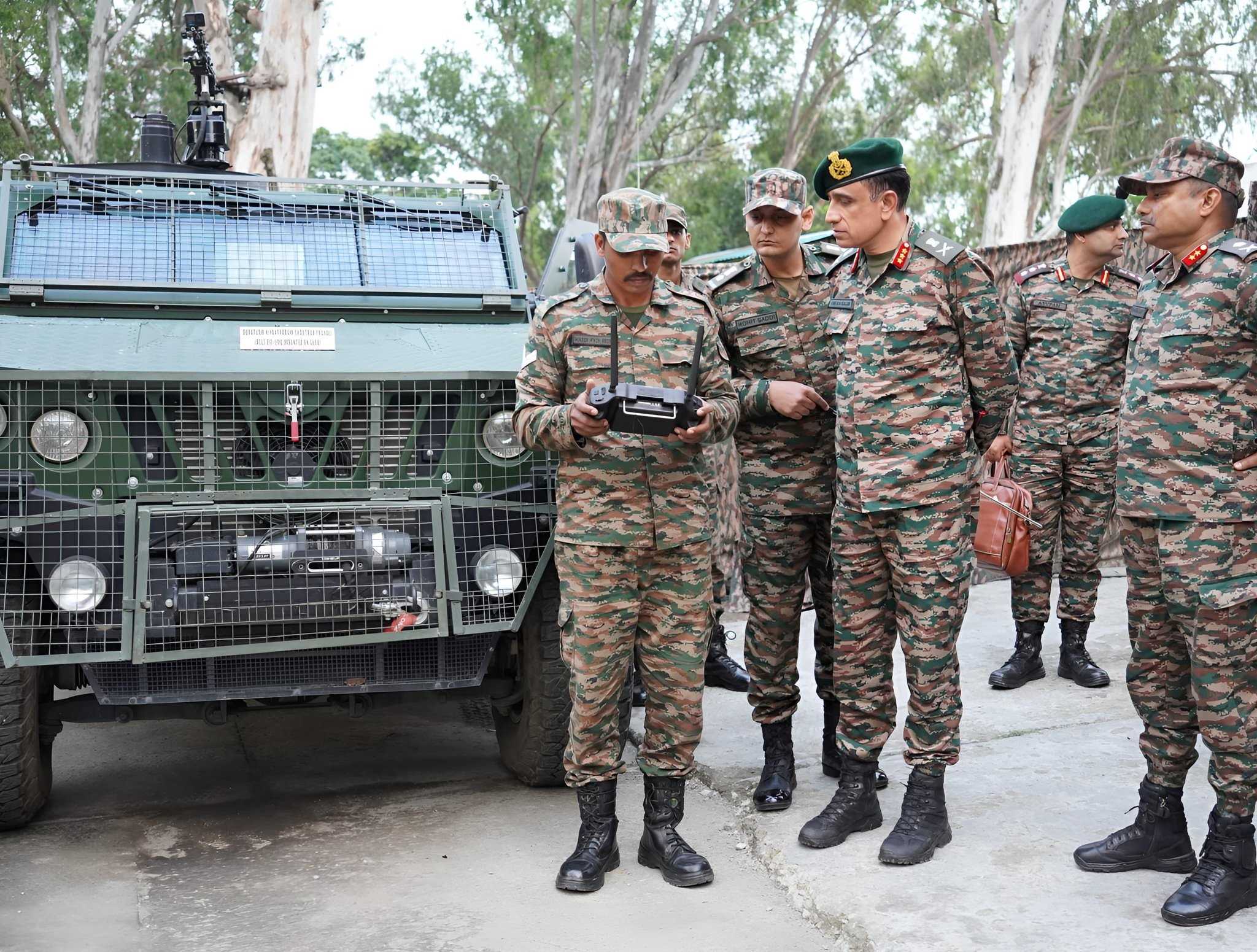
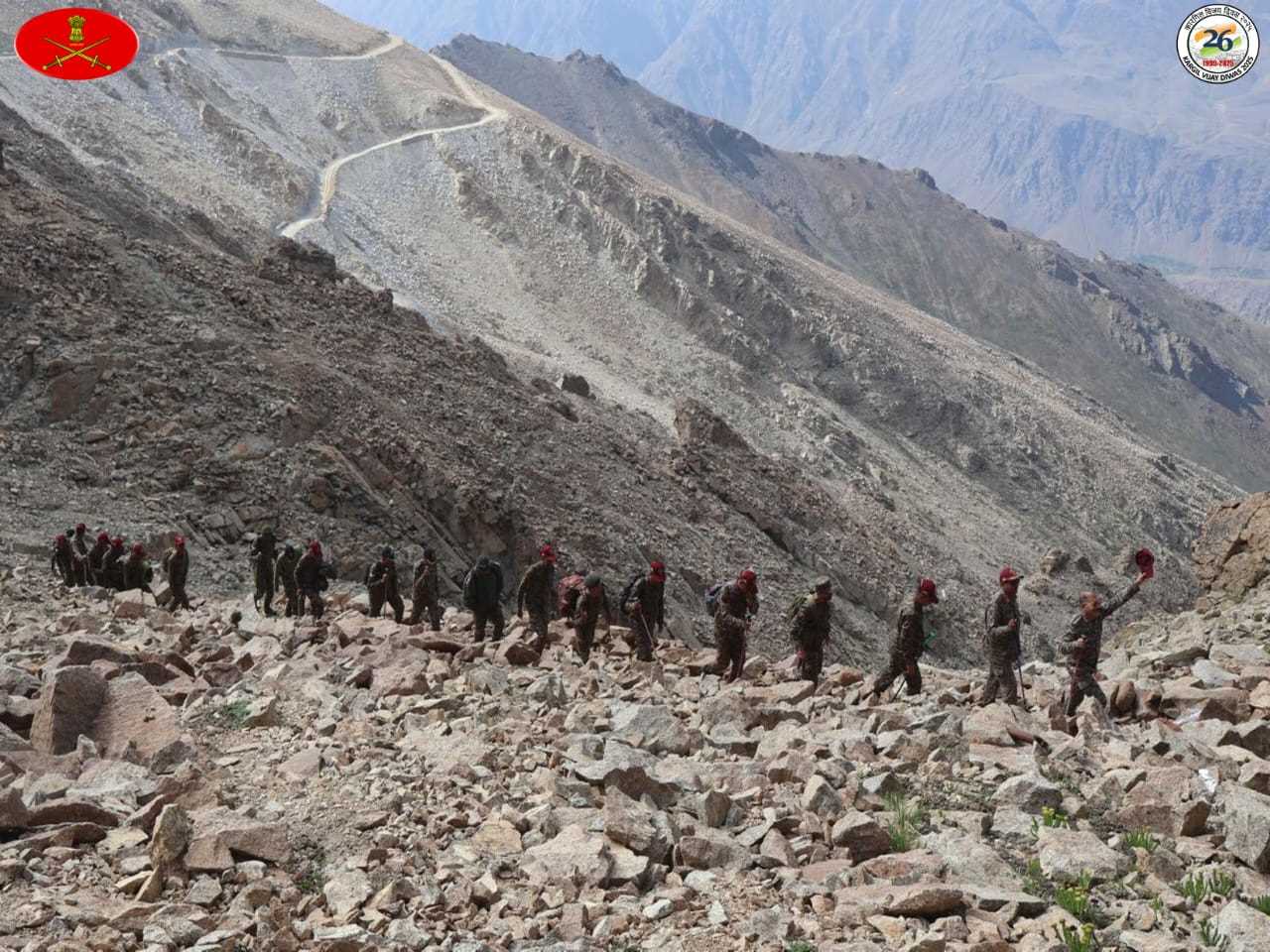
Operation Sindoor marks a clear shift in India’s counter-terror approach, signalling that terror epicentres across the border are no longer beyond reach or consequence. Defence Minister Rajnath Singh’s assertion that “terror epicentres are no longer safe” reflects not just a military outcome, but an evolving strategic doctrine shaped by precision, intelligence dominance, and calibrated escalation. In recent years, India’s security response to cross-border terrorism has moved away from reactive posturing to proactive deterrence. Op Sindoor fits into this continuum, where the objective is not symbolic retaliation but operational disruption of terror infrastructure. The message is unambiguous: geography will no longer shield non-state actors or their state patrons. What distinguishes this phase is the integration of intelligence, surveillance, and targeted strikes aimed at leadership nodes and logistical networks rather than dispersed civilian spaces. This reduces collateral damage while maximising strategic impact. It also reflects a maturing doctrine where restraint and force are not contradictory but complementary tools. Equally significant is the psychological dimension. Terror organisations thrive on perceived immunity and safe sanctuaries. By demonstrating reach and precision, India is attempting to erode that sense of security. The shift is not merely tactical; it is aimed at long-term deterrence by raising the cost of sponsorship and sheltering of terrorists groups. However, such operations also demand sustained diplomatic engagement. Military action alone cannot dismantle cross-border terror ecosystems that are often embedded in complex political realities. India’s challenge remains to translate tactical gains into enduring strategic isolation of terror networks at global forums At the same time, operational success must be matched with internal vigilance. Strengthening border management, local intelligence grids, and counter-radicalisation efforts remains essential to prevent infiltration and recruitment cycles from regenerating. Op Sindoor, therefore, is not an isolated strike but part of a broader security architecture that blends force, intelligence, and diplomacy. It reinforces a central message: India will not accept perpetual vulnerability to externally sponsored terror. If sustained and institutionalised, this approach could redefine regional deterrence dynamics. But its ultimate success will depend on consistency, credibility, and the ability to convert military outcomes into lasting political and strategic pressure on terror ecosystems.


© Copyright 2023 brighterkashmir.com All Rights Reserved. Quantum Technologies