BREAKING NEWS

06-27-2026     3 رجب 1440

Our Doctors, Our Pride

The recent success of advanced Bone Marrow Transplant services has once again demonstrated what many of us already knew: Kashmir possesses extraordinary medical talent. Given the right infrastructure, technology, administrative support, and professional environment, our doctors can perform at international standards. The achievement is not merely a medical milestone; it is a powerful reminder that the talent was always here.

June 27, 2026 | Dr. Fiaz Fazili

There is a saying familiar to many of us: “Apni murgi daal barabar”—we often undervalue what belongs to us while glorifying what comes from elsewhere. Nowhere is this tendency more damaging than in healthcare.
A troubling narrative has gained currency in recent years: that Kashmir lacks competent doctors, skilled specialists, and institutions capable of delivering world-class healthcare. Nothing could be farther from the truth.
The recent success of advanced Bone Marrow Transplant services has once again demonstrated what many of us already knew: Kashmir possesses extraordinary medical talent. Given the right infrastructure, technology, administrative support, and professional environment, our doctors can perform at international standards. The achievement is not merely a medical milestone; it is a powerful reminder that the talent was always here.
The real issue has never been the quality of our doctors.
The issue has been the circumstances in which they have had to work.
For more than three decades, Kashmir’s institutions functioned amid turmoil, uncertainty, manpower shortages, financial constraints, disrupted services, and delayed modernization. Hospitals struggled with resource limitations, outdated equipment, staffing deficits, and overwhelming patient loads. Yet through all these challenges, doctors, nurses, paramedics, and support staff continued to serve.
Many travelled through curfews, shutdowns, roadblocks, stone-pelting incidents, frisking points, and difficult working conditions simply to reach their patients. While others sought opportunities elsewhere, these professionals stayed back and carried the burden of healthcare delivery in one of the most challenging environments imaginable.
It is therefore unfair and ethically questionable when some individuals who themselves received their basic education and training from these institutions later portray those who remained behind as less competent, less knowledgeable, or less skilled.
One cannot proudly display degrees earned from local institutions and simultaneously dismiss the capabilities of colleagues who continue to serve there.
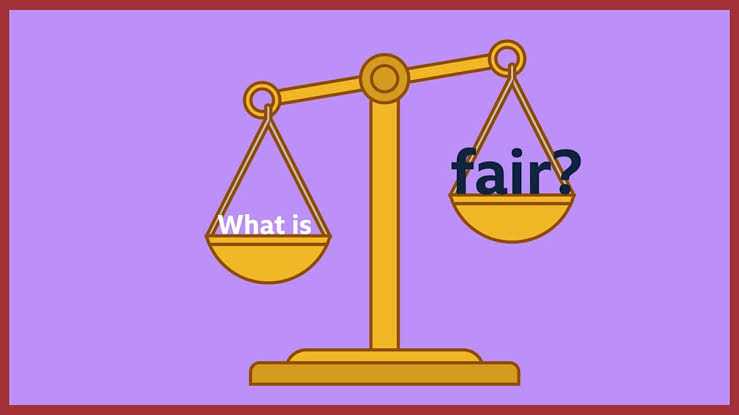
As a quality professional, I have learned that meaningful comparisons require comparable benchmarks. We do not compare apples with mangoes. We cannot compare institutions that faced decades of disruption with centres that enjoyed uninterrupted growth, generous funding, stable governance, and continuous technological upgrades.
A fair comparison requires similar starting points, similar resources, and similar opportunities.
In fact, some of the strongest evidence supporting the quality of Kashmiri medical talent comes from those who left. Across India, the Gulf, Europe, North America, and elsewhere, doctors who received their foundational training in Kashmir have excelled. Once provided modern infrastructure and opportunities, they rose to leadership positions, built distinguished careers, and earned international recognition.
Their success is proof that the foundation was strong.
The talent was never missing.
What was often missing was the ecosystem.
This is why we must stop undermining our own institutions and start strengthening them.
Let us also acknowledge an uncomfortable truth. Every profession has a few underperformers. Medicine is no exception. But let us not allow a few bad apples to spoil the reputation of an entire orchard. The overwhelming majority of our healthcare professionals are hardworking, competent, ethical, and deeply committed to patient care.
Judging an entire healthcare system by isolated shortcomings is neither fair nor rational.
The consequences of such narratives are serious. Every time public confidence in local healthcare is unnecessarily weakened, patients suffer. Families become anxious. Trust erodes. More people feel compelled to seek treatment outside the Valley even when quality care may be available closer to home.
Many Kashmiri families know the pain of medical migration. They have sold land, jewellery, and lifelong savings to seek treatment outside the region. They have spent months away from home, arranged caretakers for children and elderly parents, stood in endless queues, waited for appointments, searched for accommodation, and struggled with mounting financial and emotional burdens.
I have personally witnessed these hardships, not merely as a doctor but also through experiences within my own family.
The recurring question from patients has always been the same: “Why can’t these facilities be available in Kashmir?”
That question profoundly influenced my own efforts to establish a not-for-profit comprehensive cancer hospital under one roof. The journey involved years of planning, extensive documentation, countless visits to government offices, meetings with officials, and enormous perseverance. Land was eventually allotted after due process. The vision attracted appreciation from many quarters.
Yet one lesson became clear.
People readily applaud ideas, but institutions are built through collective participation, sustained commitment, and shared responsibility. Healthcare transformation cannot be achieved by governments alone. Society must become an active stakeholder.
During that journey, I interacted with numerous highly qualified specialists across oncology and allied disciplines. Many were eager to serve their people. Their challenge was not lack of competence. Their challenge was lack of adequate infrastructure, opportunities, and institutional support.
If genuine concerns exist regarding training gaps or emerging technologies, there are constructive solutions. Those settled abroad who sincerely wish to contribute can help sponsor fellowships, facilitate academic collaborations, mentor young doctors, support research programmes, arrange observerships, donate equipment, and build institutional partnerships.
Such contributions strengthen healthcare.
Public disparagement weakens it.
Criticism has its place. In fact, constructive criticism is essential. Feedback is the oxygen of growth. Institutions improve when shortcomings are identified honestly and addressed courageously. We must continue to demand accountability, transparency, quality improvement, and patient-centred care.
But there is a difference between constructive criticism and the systematic erosion of public trust.
One builds institutions.
The other damages them.
Fortunately, positive developments are visible. New leadership and management initiatives have introduced improvements that extend beyond optics. Much remains to be done, and nobody should pretend otherwise. The final chapter of healthcare reform in Kashmir has not yet been written.
The most important lesson for the future is that institutional growth requires teamwork. Lobbying, factionalism, groupism, personal rivalries, and ego-driven conflicts have no place in centres of excellence. We must leave our egos outside the gates of our institutions and place patient welfare above personal interests.
Healthcare workers also deserve encouragement. Doctors, nurses, technicians, and support staff working under immense pressure require recognition, professional growth opportunities, and incentives that reward excellence. Motivation is not a luxury; it is an investment in better healthcare outcomes.
The public too must recognise that these hospitals belong to them. They are not merely government buildings. They are public assets created for the welfare of society. Protecting them, supporting them, and holding them accountable are shared responsibilities.
Kashmir does not lack talent.
Kashmir does not lack intelligence.
Kashmir does not lack commitment.
What we need is a paradigm shift in perception.
We must stop assuming that excellence only exists elsewhere. We must stop believing that imported expertise is automatically superior to local capability. We must stop underestimating our own professionals.
Hum kisi se kam nahin.
The evidence is all around us.
Our doctors have proven themselves repeatedly despite extraordinary odds. Give them modern infrastructure, institutional autonomy, advanced technology, adequate resources, and a supportive environment, and they will continue to achieve results that make Kashmir proud.
The future of healthcare in Kashmir will not be built by cynicism.
It will be built by trust, teamwork, investment, accountability, and confidence in our own people.
Let us believe in our institutions.
Let us encourage our talent.
Let us strengthen public trust.
And let us build a healthcare system worthy of the remarkable professionals who serve it every day.
As a clinical auditor and a patient-rights advocate, I have zero tolerance for negligence, malpractice, concealment, or any compromise in patient safety. Healthcare professionals must always remain accountable to the highest ethical and professional standards. However, accountability must be based on facts, evidence, and due process—not speculation, assumptions, or media trials. My humble request to the media is: do not settle for half-truths or sensationalize incidents before inquiries are completed. Allow administrative, professional, and legal processes to take their course. Once a conclusive report establishes facts and responsibility, scrutiny and criticism are not only justified but necessary. What concerns me is the growing tendency to pass verdicts before investigations conclude and to interpret complex medical decisions, investigations, procedures, and outcomes without adequate expertise. Medicine is rarely black and white. Clinical decisions often involve nuances, risks, uncertainties, and circumstances that may not be apparent to the public. Responsible journalism serves society by seeking truth, not by rushing to judgment. Justice for patients and fairness to healthcare professionals both require the same thing: evidence before conclusions.


Email:------------------------------drfiazfazili@gmail.com

BREAKING NEWS

VIDEO

Twitter

Facebook

Our Doctors, Our Pride

The recent success of advanced Bone Marrow Transplant services has once again demonstrated what many of us already knew: Kashmir possesses extraordinary medical talent. Given the right infrastructure, technology, administrative support, and professional environment, our doctors can perform at international standards. The achievement is not merely a medical milestone; it is a powerful reminder that the talent was always here.

June 27, 2026 | Dr. Fiaz Fazili

There is a saying familiar to many of us: “Apni murgi daal barabar”—we often undervalue what belongs to us while glorifying what comes from elsewhere. Nowhere is this tendency more damaging than in healthcare.
A troubling narrative has gained currency in recent years: that Kashmir lacks competent doctors, skilled specialists, and institutions capable of delivering world-class healthcare. Nothing could be farther from the truth.
The recent success of advanced Bone Marrow Transplant services has once again demonstrated what many of us already knew: Kashmir possesses extraordinary medical talent. Given the right infrastructure, technology, administrative support, and professional environment, our doctors can perform at international standards. The achievement is not merely a medical milestone; it is a powerful reminder that the talent was always here.
The real issue has never been the quality of our doctors.
The issue has been the circumstances in which they have had to work.
For more than three decades, Kashmir’s institutions functioned amid turmoil, uncertainty, manpower shortages, financial constraints, disrupted services, and delayed modernization. Hospitals struggled with resource limitations, outdated equipment, staffing deficits, and overwhelming patient loads. Yet through all these challenges, doctors, nurses, paramedics, and support staff continued to serve.
Many travelled through curfews, shutdowns, roadblocks, stone-pelting incidents, frisking points, and difficult working conditions simply to reach their patients. While others sought opportunities elsewhere, these professionals stayed back and carried the burden of healthcare delivery in one of the most challenging environments imaginable.
It is therefore unfair and ethically questionable when some individuals who themselves received their basic education and training from these institutions later portray those who remained behind as less competent, less knowledgeable, or less skilled.
One cannot proudly display degrees earned from local institutions and simultaneously dismiss the capabilities of colleagues who continue to serve there.
As a quality professional, I have learned that meaningful comparisons require comparable benchmarks. We do not compare apples with mangoes. We cannot compare institutions that faced decades of disruption with centres that enjoyed uninterrupted growth, generous funding, stable governance, and continuous technological upgrades.
A fair comparison requires similar starting points, similar resources, and similar opportunities.
In fact, some of the strongest evidence supporting the quality of Kashmiri medical talent comes from those who left. Across India, the Gulf, Europe, North America, and elsewhere, doctors who received their foundational training in Kashmir have excelled. Once provided modern infrastructure and opportunities, they rose to leadership positions, built distinguished careers, and earned international recognition.
Their success is proof that the foundation was strong.
The talent was never missing.
What was often missing was the ecosystem.
This is why we must stop undermining our own institutions and start strengthening them.
Let us also acknowledge an uncomfortable truth. Every profession has a few underperformers. Medicine is no exception. But let us not allow a few bad apples to spoil the reputation of an entire orchard. The overwhelming majority of our healthcare professionals are hardworking, competent, ethical, and deeply committed to patient care.
Judging an entire healthcare system by isolated shortcomings is neither fair nor rational.
The consequences of such narratives are serious. Every time public confidence in local healthcare is unnecessarily weakened, patients suffer. Families become anxious. Trust erodes. More people feel compelled to seek treatment outside the Valley even when quality care may be available closer to home.
Many Kashmiri families know the pain of medical migration. They have sold land, jewellery, and lifelong savings to seek treatment outside the region. They have spent months away from home, arranged caretakers for children and elderly parents, stood in endless queues, waited for appointments, searched for accommodation, and struggled with mounting financial and emotional burdens.
I have personally witnessed these hardships, not merely as a doctor but also through experiences within my own family.
The recurring question from patients has always been the same: “Why can’t these facilities be available in Kashmir?”
That question profoundly influenced my own efforts to establish a not-for-profit comprehensive cancer hospital under one roof. The journey involved years of planning, extensive documentation, countless visits to government offices, meetings with officials, and enormous perseverance. Land was eventually allotted after due process. The vision attracted appreciation from many quarters.
Yet one lesson became clear.
People readily applaud ideas, but institutions are built through collective participation, sustained commitment, and shared responsibility. Healthcare transformation cannot be achieved by governments alone. Society must become an active stakeholder.
During that journey, I interacted with numerous highly qualified specialists across oncology and allied disciplines. Many were eager to serve their people. Their challenge was not lack of competence. Their challenge was lack of adequate infrastructure, opportunities, and institutional support.
If genuine concerns exist regarding training gaps or emerging technologies, there are constructive solutions. Those settled abroad who sincerely wish to contribute can help sponsor fellowships, facilitate academic collaborations, mentor young doctors, support research programmes, arrange observerships, donate equipment, and build institutional partnerships.
Such contributions strengthen healthcare.
Public disparagement weakens it.
Criticism has its place. In fact, constructive criticism is essential. Feedback is the oxygen of growth. Institutions improve when shortcomings are identified honestly and addressed courageously. We must continue to demand accountability, transparency, quality improvement, and patient-centred care.
But there is a difference between constructive criticism and the systematic erosion of public trust.
One builds institutions.
The other damages them.
Fortunately, positive developments are visible. New leadership and management initiatives have introduced improvements that extend beyond optics. Much remains to be done, and nobody should pretend otherwise. The final chapter of healthcare reform in Kashmir has not yet been written.
The most important lesson for the future is that institutional growth requires teamwork. Lobbying, factionalism, groupism, personal rivalries, and ego-driven conflicts have no place in centres of excellence. We must leave our egos outside the gates of our institutions and place patient welfare above personal interests.
Healthcare workers also deserve encouragement. Doctors, nurses, technicians, and support staff working under immense pressure require recognition, professional growth opportunities, and incentives that reward excellence. Motivation is not a luxury; it is an investment in better healthcare outcomes.
The public too must recognise that these hospitals belong to them. They are not merely government buildings. They are public assets created for the welfare of society. Protecting them, supporting them, and holding them accountable are shared responsibilities.
Kashmir does not lack talent.
Kashmir does not lack intelligence.
Kashmir does not lack commitment.
What we need is a paradigm shift in perception.
We must stop assuming that excellence only exists elsewhere. We must stop believing that imported expertise is automatically superior to local capability. We must stop underestimating our own professionals.
Hum kisi se kam nahin.
The evidence is all around us.
Our doctors have proven themselves repeatedly despite extraordinary odds. Give them modern infrastructure, institutional autonomy, advanced technology, adequate resources, and a supportive environment, and they will continue to achieve results that make Kashmir proud.
The future of healthcare in Kashmir will not be built by cynicism.
It will be built by trust, teamwork, investment, accountability, and confidence in our own people.
Let us believe in our institutions.
Let us encourage our talent.
Let us strengthen public trust.
And let us build a healthcare system worthy of the remarkable professionals who serve it every day.
As a clinical auditor and a patient-rights advocate, I have zero tolerance for negligence, malpractice, concealment, or any compromise in patient safety. Healthcare professionals must always remain accountable to the highest ethical and professional standards. However, accountability must be based on facts, evidence, and due process—not speculation, assumptions, or media trials. My humble request to the media is: do not settle for half-truths or sensationalize incidents before inquiries are completed. Allow administrative, professional, and legal processes to take their course. Once a conclusive report establishes facts and responsibility, scrutiny and criticism are not only justified but necessary. What concerns me is the growing tendency to pass verdicts before investigations conclude and to interpret complex medical decisions, investigations, procedures, and outcomes without adequate expertise. Medicine is rarely black and white. Clinical decisions often involve nuances, risks, uncertainties, and circumstances that may not be apparent to the public. Responsible journalism serves society by seeking truth, not by rushing to judgment. Justice for patients and fairness to healthcare professionals both require the same thing: evidence before conclusions.


Email:------------------------------drfiazfazili@gmail.com


  • Address: R.C 2 Quarters Press Enclave Near Pratap Park, Srinagar 190001.
  • Phone: 0194-2451076 , +91-941-940-0056 , +91-962-292-4716
  • Email: brighterkmr@gmail.com
Owner, Printer, Publisher, Editor: Farooq Ahmad Wani
Legal Advisor: M.J. Hubi
Printed at: Sangermal offset Printing Press Rangreth ( Budgam)
Published from: Gulshanabad Chraresharief Budgam
RNI No.: JKENG/2010/33802
Office No’s: 0194-2451076
Mobile No’s 9419400056, 9622924716 ,7006086442
Postal Regd No: SK/135/2010-2019
POST BOX NO: 1001
Administrative Office: R.C 2 Quarters Press Enclave Near Pratap Park ( Srinagar -190001)

© Copyright 2023 brighterkashmir.com All Rights Reserved. Quantum Technologies

Owner, Printer, Publisher, Editor: Farooq Ahmad Wani
Legal Advisor: M.J. Hubi
Printed at: Abid Enterprizes, Zainkote Srinagar
Published from: Gulshanabad Chraresharief Budgam
RNI No.: JKENG/2010/33802
Office No’s: 0194-2451076, 9622924716 , 9419400056
Postal Regd No: SK/135/2010-2019
Administrative Office: Abi Guzer Srinagar

© Copyright 2018 brighterkashmir.com All Rights Reserved.