
BREAKING NEWS
Bravery is not expressed only through action; sometimes it is revealed through restraint. It takes courage to remain silent. It takes courage to endure without reacting. It takes courage to stand firm and wait with patience
Patience
Patience is the key to every success. Yet, it is perhaps the most difficult quality to cultivate because it requires us to wait—whether in stillness or through continued effort—for an uncertain period. It demands faith in an unknown future and hope for eventual success. The journey can be frustrating, testing us to our limits and sometimes confronting us with unexpected failures. Nevertheless, patience remains the only path forward, the only means to achieve meaningful goals, and the only force that transforms possibilities into reality.
As John Milton wisely wrote:
"They also serve who only stand and wait."
Patience has been the foundation of human progress. It was patience that enabled architects to build monuments that have stood for thousands of years. It was patience that gave rise to agriculture, allowing humanity the leisure to explore knowledge and creativity. It was patience that inspired the invention of tools, making difficult tasks easier. It was patience that drove exploration, discovery, innovation, and scientific advancement. It was patience that revealed the unseen world before us. Even today, it is patience that enables us to grow, progress, and plan for a better future.
Indeed, patience is the master key that unlocks every difficult door.
Bharosa (Trust)
Trust is the invisible force that holds society together. We place our trust in others, and because of that trust, we are able to organise communities, institutions, and nations. Cooperation becomes possible only when we believe that others will contribute honestly rather than betray our confidence.
We trust the machines we operate, even though they were designed and built by people we may never meet. We trust the written and unwritten laws that govern our societies, our governments, and our institutions. We trust our own instincts, often making decisions within moments because we believe in ourselves. We trust our faith, our destiny, and our belief in God.
Above all, when we trust ourselves, we become capable of achieving extraordinary things.
Trust is the key that unlocks the doors of wisdom. Trust in one another enables us to live together in harmony. It has the power to build relationships, strengthen communities, and shape civilizations.
Sankosh (Hesitation)
Hesitation should never be mistaken for indecision. At times, it is simply a pause—a brief moment of reflection that allows us to think clearly before taking action.
One should never hesitate to pause. Such moments help us organise our thoughts, prepare ourselves, and plan the next course of action. Whenever we arrive at a crossroads with multiple choices before us, thoughtful hesitation can determine whether we choose the right path or the wrong one. It can make the difference between success and failure.
Although hesitation may appear to be inaction, uncertainty, or delay, it often acts as a catalyst for better decisions.
Sankosh can prevent the waste of valuable time. It helps conserve resources by ensuring they are used wisely. It saves energy, reduces unnecessary costs, and makes planning more effective. Most importantly, it protects us from impulsive actions that may lead to regret. A thoughtful pause can often mean the difference between disaster and success.
However, hesitation must never be confused with cowardice, laziness, irresponsibility, avoidance, or unwillingness to act. Rather, it is a moment of reflection, introspection, and careful consideration that ultimately safeguards both people and resources.
Jigra (Courage)
Courage is the strength to think boldly, act decisively, and persevere despite difficulties. When circumstances become challenging, dangerous, uncertain, or risky, nothing can replace courage.
As the saying goes:
"When the going gets tough, the tough get going."
It is courage that enables mountains to be moved, rivers to change their course, storms to be faced, adversaries to be overcome, and hardships to be conquered. Those who dare to face challenges are the ones who ultimately succeed.
Bravery is not expressed only through action; sometimes it is revealed through restraint. It takes courage to remain silent. It takes courage to endure without reacting. It takes courage to stand firm and wait with patience.
Again, John Milton reminds us:
"They also serve who only stand and wait."
Jigra—courage—is one of the strongest foundations of human character. It cannot be purchased, borrowed, or gifted. It is an inner strength that develops through determination, conviction, and an unwavering will to move forward.
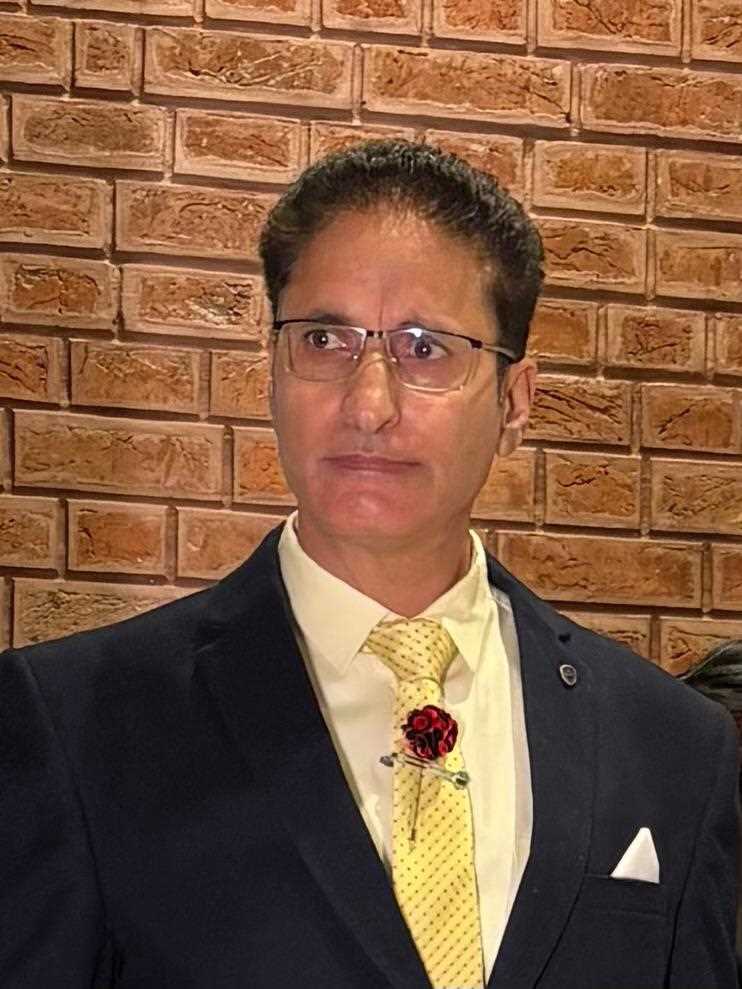
Author is an IPS officer currently serving as the Traffic Police Head for Srinagar City
Bravery is not expressed only through action; sometimes it is revealed through restraint. It takes courage to remain silent. It takes courage to endure without reacting. It takes courage to stand firm and wait with patience
Patience
Patience is the key to every success. Yet, it is perhaps the most difficult quality to cultivate because it requires us to wait—whether in stillness or through continued effort—for an uncertain period. It demands faith in an unknown future and hope for eventual success. The journey can be frustrating, testing us to our limits and sometimes confronting us with unexpected failures. Nevertheless, patience remains the only path forward, the only means to achieve meaningful goals, and the only force that transforms possibilities into reality.
As John Milton wisely wrote:
"They also serve who only stand and wait."
Patience has been the foundation of human progress. It was patience that enabled architects to build monuments that have stood for thousands of years. It was patience that gave rise to agriculture, allowing humanity the leisure to explore knowledge and creativity. It was patience that inspired the invention of tools, making difficult tasks easier. It was patience that drove exploration, discovery, innovation, and scientific advancement. It was patience that revealed the unseen world before us. Even today, it is patience that enables us to grow, progress, and plan for a better future.
Indeed, patience is the master key that unlocks every difficult door.
Bharosa (Trust)
Trust is the invisible force that holds society together. We place our trust in others, and because of that trust, we are able to organise communities, institutions, and nations. Cooperation becomes possible only when we believe that others will contribute honestly rather than betray our confidence.
We trust the machines we operate, even though they were designed and built by people we may never meet. We trust the written and unwritten laws that govern our societies, our governments, and our institutions. We trust our own instincts, often making decisions within moments because we believe in ourselves. We trust our faith, our destiny, and our belief in God.
Above all, when we trust ourselves, we become capable of achieving extraordinary things.
Trust is the key that unlocks the doors of wisdom. Trust in one another enables us to live together in harmony. It has the power to build relationships, strengthen communities, and shape civilizations.
Sankosh (Hesitation)
Hesitation should never be mistaken for indecision. At times, it is simply a pause—a brief moment of reflection that allows us to think clearly before taking action.
One should never hesitate to pause. Such moments help us organise our thoughts, prepare ourselves, and plan the next course of action. Whenever we arrive at a crossroads with multiple choices before us, thoughtful hesitation can determine whether we choose the right path or the wrong one. It can make the difference between success and failure.
Although hesitation may appear to be inaction, uncertainty, or delay, it often acts as a catalyst for better decisions.
Sankosh can prevent the waste of valuable time. It helps conserve resources by ensuring they are used wisely. It saves energy, reduces unnecessary costs, and makes planning more effective. Most importantly, it protects us from impulsive actions that may lead to regret. A thoughtful pause can often mean the difference between disaster and success.
However, hesitation must never be confused with cowardice, laziness, irresponsibility, avoidance, or unwillingness to act. Rather, it is a moment of reflection, introspection, and careful consideration that ultimately safeguards both people and resources.
Jigra (Courage)
Courage is the strength to think boldly, act decisively, and persevere despite difficulties. When circumstances become challenging, dangerous, uncertain, or risky, nothing can replace courage.
As the saying goes:
"When the going gets tough, the tough get going."
It is courage that enables mountains to be moved, rivers to change their course, storms to be faced, adversaries to be overcome, and hardships to be conquered. Those who dare to face challenges are the ones who ultimately succeed.
Bravery is not expressed only through action; sometimes it is revealed through restraint. It takes courage to remain silent. It takes courage to endure without reacting. It takes courage to stand firm and wait with patience.
Again, John Milton reminds us:
"They also serve who only stand and wait."
Jigra—courage—is one of the strongest foundations of human character. It cannot be purchased, borrowed, or gifted. It is an inner strength that develops through determination, conviction, and an unwavering will to move forward.
Author is an IPS officer currently serving as the Traffic Police Head for Srinagar City

© Copyright 2023 brighterkashmir.com All Rights Reserved. Quantum Technologies