
BREAKING NEWS
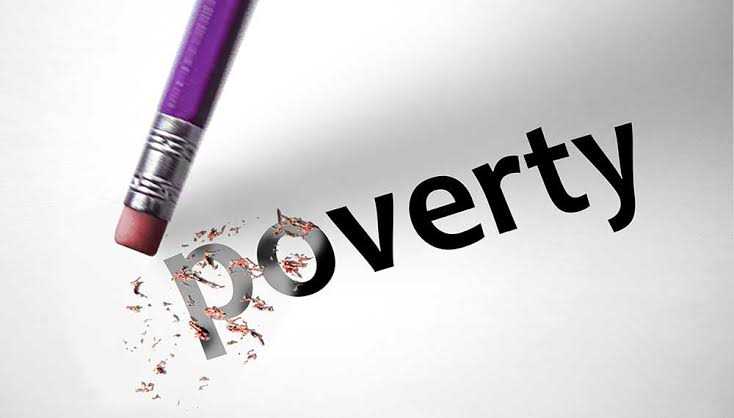
India’s reported decline in extreme poverty marks a milestone in its development journey. Prime Minister Narendra Modi’s reference to the World Bank report reminds us that development must be measured by its impact on ordinary lives. The reduction reflects improvements in household incomes, essential services, financial inclusion, food security and social protection. Welfare programmes, direct benefit transfers, rural employment initiatives, housing, sanitation and electricity have improved living conditions for millions. Digital banking has made it easier to transfer benefits to households. However, celebrating progress must not overshadow the challenges that remain. Poverty is not simply the absence of income; it also means limited access to quality education, affordable healthcare, secure employment and dignity. A family may rise above the extreme-poverty threshold and still struggle with inflation, medical emergencies or unemployment. The World Bank’s estimates measure progress, but they must be considered alongside inequality, nutrition, wages and living standards. Growth becomes meaningful only when its benefits reach the most vulnerable. The October 2026 India Poverty and Equity Brief reported that extreme poverty fell from 27.1 per cent in 2011–12 to 2.6 per cent in 2023–24. It also estimated that around 496 million people moved out of poverty under the broader lower-middle-income poverty threshold. These figures deserve recognition, while the two poverty measures must not be confused. Its benefits must reach every village, household and vulnerable community. The next challenge is to turn poverty reduction into lasting economic security. Welfare offers relief, but sustainable employment, better wages, productive agriculture, industrial growth and quality education are essential to prevent families from slipping back. Young people need skills; farmers need remunerative prices; workers need dignity; and small businesses need room to grow. This responsibility is vital in weaker regions, including Jammu and Kashmir. Development must reach remote villages, strengthen infrastructure, improve healthcare and education, and create jobs beyond seasonal sectors. Progress remains incomplete while families face unemployment, rising prices and inadequate services. The government must ensure that benefits reach deserving people without leakages, exclusion or bureaucratic hurdles. Transparent data and regular monitoring are vital to public confidence. Modi is right to highlight the progress reflected in the World Bank assessment. But India’s ambition must go beyond lifting people above an international poverty line. It must ensure that every citizen can afford a dignified life, access opportunity and live without economic insecurity. Poverty reduction is a milestone; eradicating poverty with dignity must remain the destination.
India’s reported decline in extreme poverty marks a milestone in its development journey. Prime Minister Narendra Modi’s reference to the World Bank report reminds us that development must be measured by its impact on ordinary lives. The reduction reflects improvements in household incomes, essential services, financial inclusion, food security and social protection. Welfare programmes, direct benefit transfers, rural employment initiatives, housing, sanitation and electricity have improved living conditions for millions. Digital banking has made it easier to transfer benefits to households. However, celebrating progress must not overshadow the challenges that remain. Poverty is not simply the absence of income; it also means limited access to quality education, affordable healthcare, secure employment and dignity. A family may rise above the extreme-poverty threshold and still struggle with inflation, medical emergencies or unemployment. The World Bank’s estimates measure progress, but they must be considered alongside inequality, nutrition, wages and living standards. Growth becomes meaningful only when its benefits reach the most vulnerable. The October 2026 India Poverty and Equity Brief reported that extreme poverty fell from 27.1 per cent in 2011–12 to 2.6 per cent in 2023–24. It also estimated that around 496 million people moved out of poverty under the broader lower-middle-income poverty threshold. These figures deserve recognition, while the two poverty measures must not be confused. Its benefits must reach every village, household and vulnerable community. The next challenge is to turn poverty reduction into lasting economic security. Welfare offers relief, but sustainable employment, better wages, productive agriculture, industrial growth and quality education are essential to prevent families from slipping back. Young people need skills; farmers need remunerative prices; workers need dignity; and small businesses need room to grow. This responsibility is vital in weaker regions, including Jammu and Kashmir. Development must reach remote villages, strengthen infrastructure, improve healthcare and education, and create jobs beyond seasonal sectors. Progress remains incomplete while families face unemployment, rising prices and inadequate services. The government must ensure that benefits reach deserving people without leakages, exclusion or bureaucratic hurdles. Transparent data and regular monitoring are vital to public confidence. Modi is right to highlight the progress reflected in the World Bank assessment. But India’s ambition must go beyond lifting people above an international poverty line. It must ensure that every citizen can afford a dignified life, access opportunity and live without economic insecurity. Poverty reduction is a milestone; eradicating poverty with dignity must remain the destination.

© Copyright 2023 brighterkashmir.com All Rights Reserved. Quantum Technologies