
BREAKING NEWS
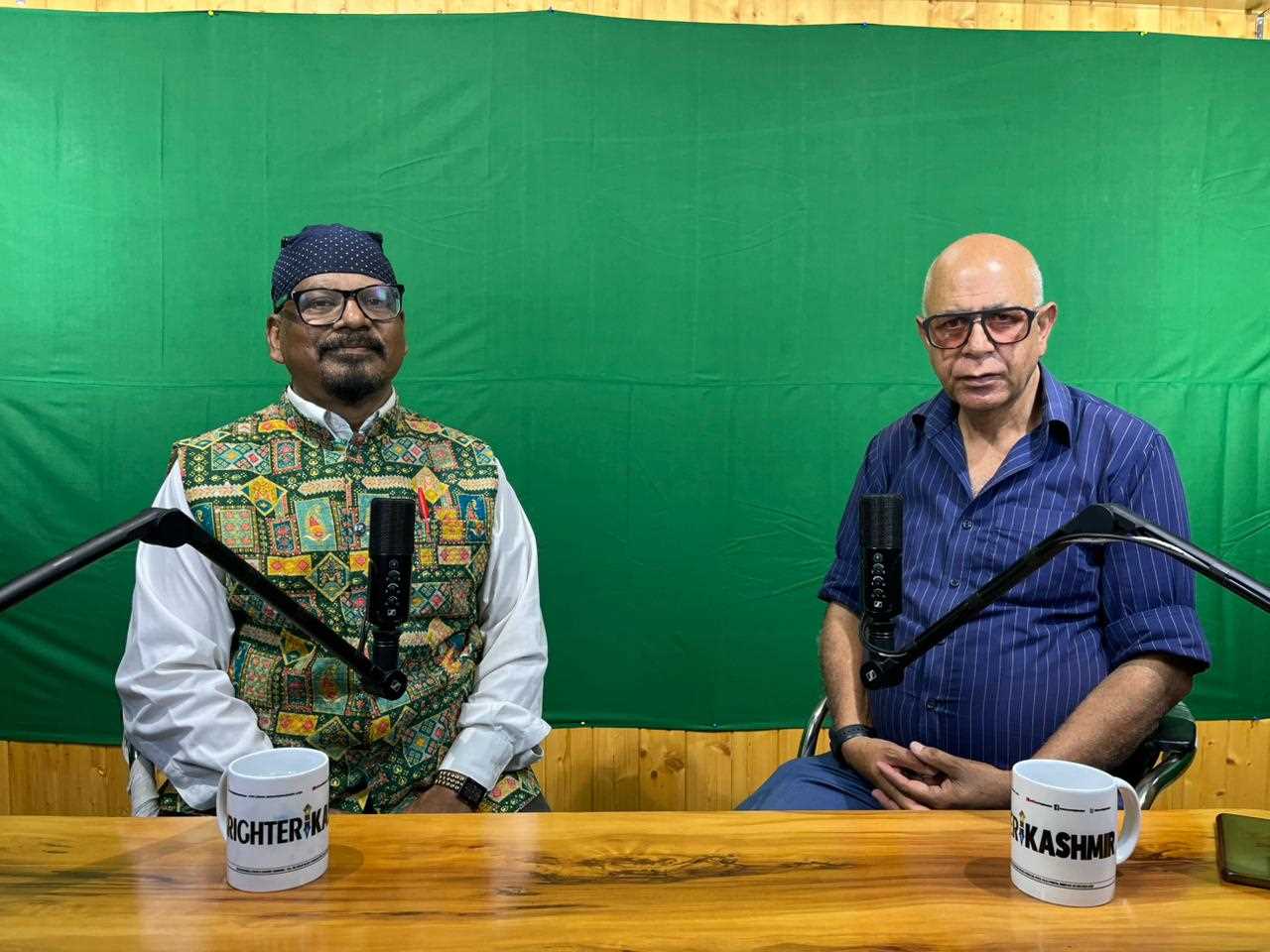
Srinagar, Aug 30: In an engaging conversation with Prof. Dr. D. K. Giri, noted author, political analyst and Secretary General of the Association of Democratic Studies (ADS), a wide range of issues concerning Indian politics, foreign policy, diplomacy and the rapidly evolving geopolitical environment came under discussion.
The interaction examined the changing nature of international relations and the challenges confronting India in an increasingly complex global order. Prof. Giri, known for his analysis of political affairs and international developments, offered insights into the forces shaping contemporary geopolitics and their implications for India.
A key focus of the conversation was the changing balance of power in global politics. The emergence of new centres of economic and strategic influence has transformed traditional international alignments, requiring countries to pursue foreign policies that combine national interests with strategic flexibility.
The discussion also touched upon India’s expanding role on the global stage. With its growing economic weight, demographic strength and diplomatic outreach, India is increasingly seeking a larger voice in international affairs. Maintaining strategic autonomy while strengthening partnerships with major powers remains an important component of this approach.
Prof. Giri also reflected on the relationship between domestic politics and foreign policy. In an interconnected world, domestic economic performance, political stability, technological capabilities and social cohesion increasingly influence a country’s international standing.
The conversation further explored the changing character of diplomacy. Traditional state-to-state engagement is now accompanied by economic diplomacy, technology partnerships, cultural exchanges and people-to-people relations. Emerging issues such as artificial intelligence, climate change, energy security and technological competition are also redefining the priorities of modern diplomacy.
India’s neighbourhood and its strategic interests in the wider Asian region formed another important dimension of the discussion. Regional stability, connectivity, economic cooperation and evolving security challenges continue to remain central to India’s foreign-policy calculations.
The interaction also provided an opportunity to examine contemporary Indian politics and the role of political analysis in understanding rapidly changing public opinion and governance priorities. The importance of informed debate, democratic institutions and responsible political discourse was highlighted in the broader context of India’s evolving political landscape.
For audiences in Kashmir, the conversation offered particular relevance as global geopolitical developments increasingly intersect with the region’s economic, security and strategic environment.
The wide-ranging discussion reflected the growing importance of understanding international developments beyond immediate headlines. As global power equations continue to shift, informed political analysis can help citizens better understand the opportunities and challenges emerging for India.
The conversation with Prof. D. K. Giri thus brought together perspectives on Indian politics, foreign policy, diplomacy, geopolitics and contemporary international affairs, offering viewers an opportunity to engage with some of the most significant questions shaping India and the world today.
Srinagar, Aug 30: In an engaging conversation with Prof. Dr. D. K. Giri, noted author, political analyst and Secretary General of the Association of Democratic Studies (ADS), a wide range of issues concerning Indian politics, foreign policy, diplomacy and the rapidly evolving geopolitical environment came under discussion.
The interaction examined the changing nature of international relations and the challenges confronting India in an increasingly complex global order. Prof. Giri, known for his analysis of political affairs and international developments, offered insights into the forces shaping contemporary geopolitics and their implications for India.
A key focus of the conversation was the changing balance of power in global politics. The emergence of new centres of economic and strategic influence has transformed traditional international alignments, requiring countries to pursue foreign policies that combine national interests with strategic flexibility.
The discussion also touched upon India’s expanding role on the global stage. With its growing economic weight, demographic strength and diplomatic outreach, India is increasingly seeking a larger voice in international affairs. Maintaining strategic autonomy while strengthening partnerships with major powers remains an important component of this approach.
Prof. Giri also reflected on the relationship between domestic politics and foreign policy. In an interconnected world, domestic economic performance, political stability, technological capabilities and social cohesion increasingly influence a country’s international standing.
The conversation further explored the changing character of diplomacy. Traditional state-to-state engagement is now accompanied by economic diplomacy, technology partnerships, cultural exchanges and people-to-people relations. Emerging issues such as artificial intelligence, climate change, energy security and technological competition are also redefining the priorities of modern diplomacy.
India’s neighbourhood and its strategic interests in the wider Asian region formed another important dimension of the discussion. Regional stability, connectivity, economic cooperation and evolving security challenges continue to remain central to India’s foreign-policy calculations.
The interaction also provided an opportunity to examine contemporary Indian politics and the role of political analysis in understanding rapidly changing public opinion and governance priorities. The importance of informed debate, democratic institutions and responsible political discourse was highlighted in the broader context of India’s evolving political landscape.
For audiences in Kashmir, the conversation offered particular relevance as global geopolitical developments increasingly intersect with the region’s economic, security and strategic environment.
The wide-ranging discussion reflected the growing importance of understanding international developments beyond immediate headlines. As global power equations continue to shift, informed political analysis can help citizens better understand the opportunities and challenges emerging for India.
The conversation with Prof. D. K. Giri thus brought together perspectives on Indian politics, foreign policy, diplomacy, geopolitics and contemporary international affairs, offering viewers an opportunity to engage with some of the most significant questions shaping India and the world today.

© Copyright 2023 brighterkashmir.com All Rights Reserved. Quantum Technologies