
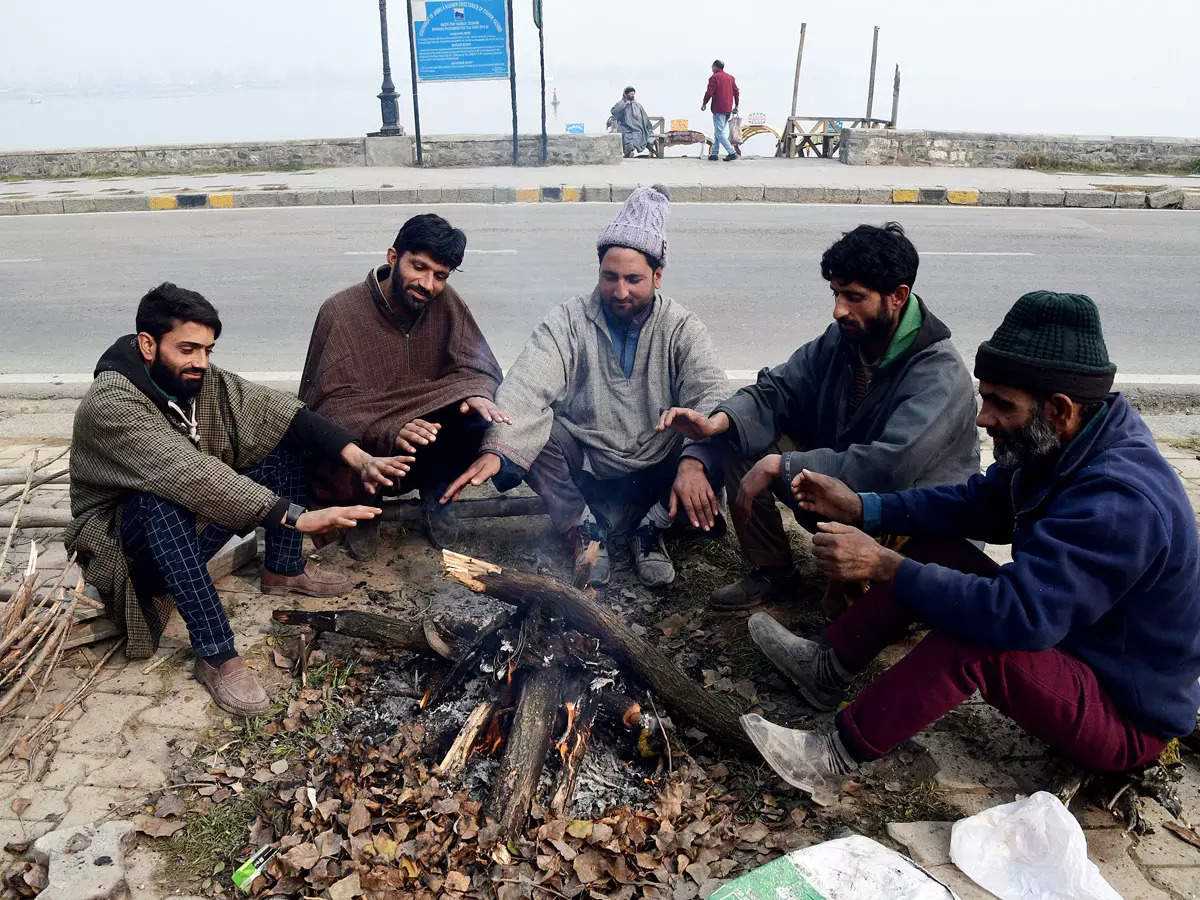
Jammu and Kashmir is witnessing an unusually prolonged dry phase, with data showing a sharp rainfall deficit of nearly 86 percent between November 1 and December 9, raising concerns over water resources, river flows and forest fire risks across the Union Territory.
According to consolidated rainfall data, prepared by an independent weather observer, ‘Kashmir Weather, 'Jammu and Kashmir should have received an average precipitation of 43.1 mm during the period. However, only 6.1 mm of rainfall has been recorded so far, resulting in an overall deficit of 85.8 percent. The dry conditions have persisted since November 5, with most parts of the region witnessing little to no precipitation.’
District wise data shows severe rainfall shortfall across both Kashmir and Jammu divisions. In the Kashmir division, the mean rainfall deficit stands at about 82 percent, with districts such as Baramulla, Shopian and Kulgam recording deficits exceeding 87 percent. Pulwama, which fared comparatively better, still recorded a shortfall of over 60 percent.
The Jammu division has reported an even steeper deficit of around 83 percent on average. Kathua and Kishtwar recorded no rainfall during the period, translating into a 100 percent deficit, while districts such as Rajouri, Poonch and Doda saw deficits ranging between 90 and 93 percent.
The extended dry spell has begun to impact river hydrology. The water level of the Jhelum River at Sangam has dropped to minus 0.59 feet, slipping below the zero gauge mark. While officials said this is not the lowest level ever recorded, it remains among the lowest readings observed in recent years. With no significant rainfall or snowfall forecast over the next week, the river’s level is feared to decline further.
Experts have also flagged a rising risk of forest fires across several vulnerable zones of Jammu and Kashmir. The prolonged absence of moisture, combined with dry vegetation and surface heating, has created favourable conditions for fire incidents, officials warned.
Weather observers said the situation warrants close monitoring as continued dry conditions could have serious implications for agriculture, drinking water supply and ecological stability across the region.


Jammu and Kashmir is witnessing an unusually prolonged dry phase, with data showing a sharp rainfall deficit of nearly 86 percent between November 1 and December 9, raising concerns over water resources, river flows and forest fire risks across the Union Territory.
According to consolidated rainfall data, prepared by an independent weather observer, ‘Kashmir Weather, 'Jammu and Kashmir should have received an average precipitation of 43.1 mm during the period. However, only 6.1 mm of rainfall has been recorded so far, resulting in an overall deficit of 85.8 percent. The dry conditions have persisted since November 5, with most parts of the region witnessing little to no precipitation.’
District wise data shows severe rainfall shortfall across both Kashmir and Jammu divisions. In the Kashmir division, the mean rainfall deficit stands at about 82 percent, with districts such as Baramulla, Shopian and Kulgam recording deficits exceeding 87 percent. Pulwama, which fared comparatively better, still recorded a shortfall of over 60 percent.
The Jammu division has reported an even steeper deficit of around 83 percent on average. Kathua and Kishtwar recorded no rainfall during the period, translating into a 100 percent deficit, while districts such as Rajouri, Poonch and Doda saw deficits ranging between 90 and 93 percent.
The extended dry spell has begun to impact river hydrology. The water level of the Jhelum River at Sangam has dropped to minus 0.59 feet, slipping below the zero gauge mark. While officials said this is not the lowest level ever recorded, it remains among the lowest readings observed in recent years. With no significant rainfall or snowfall forecast over the next week, the river’s level is feared to decline further.
Experts have also flagged a rising risk of forest fires across several vulnerable zones of Jammu and Kashmir. The prolonged absence of moisture, combined with dry vegetation and surface heating, has created favourable conditions for fire incidents, officials warned.
Weather observers said the situation warrants close monitoring as continued dry conditions could have serious implications for agriculture, drinking water supply and ecological stability across the region.

© Copyright 2023 brighterkashmir.com All Rights Reserved. Quantum Technologies