
BREAKING NEWS
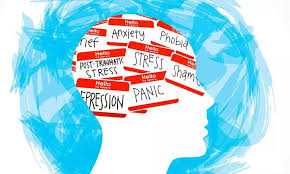
For many years, examinations have been considered an essential pillar of the education system. They function as a yardstick to measure academic performance and often determine future opportunities in education and employment. While exams undoubtedly play an important role in assessing students’ learning, they have also become one of the biggest sources of stress and anxiety in students’ lives. In the race to score higher marks and secure prestigious positions, the mental health of students is frequently overlooked. This imbalance has slowly turned examinations from a tool of evaluation into a source of fear and emotional distress.
Exams are an inseparable part of a student’s academic journey. They help maintain discipline in learning and create a competitive environment that encourages students to work harder. Regular assessments can also promote consistency and accountability. However, the problem begins when examinations stop being a measure of understanding and start becoming a test of endurance. For many students, the fear of failure, coupled with unrealistic expectations, creates constant psychological pressure. Instead of motivating students to learn, exams often push them into a state of anxiety and self-doubt.
The pressure intensifies during board examinations and national-level competitive tests. At this stage, students are not judged only by their teachers but also by society at large. Relatives keep a close watch on their preparation, asking intrusive questions and offering unsolicited advice. When results are announced, even a single phone call from a relative can disturb the peace of a student’s home. Marks become a topic of public discussion, and a student’s worth is often unfairly reduced to a percentage or rank.
Parents, though usually well-meaning, often add to this burden. Continuous comparison with toppers or “ideal students” does more harm than good. Instead of inspiring children, such comparisons damage their confidence and make them feel inadequate. Over time, this lack of self-belief can stay with students for the rest of their lives. It is important to understand that every individual is unique. One student may excel academically, while another may have exceptional talent in sports, arts, or practical skills. Success cannot be defined by a single exam or career path. Parents and teachers carry the responsibility of recognizing each child’s strengths and guiding them towards fields that genuinely interest them.
The intense competition surrounding entrance exams such as NEET further highlights the flaws in our system. In many areas, only one out of hundreds of aspirants manages to qualify. Yet, parents push almost every child into this race, investing huge sums of money in coaching institutes that promise success but rarely deliver it. These institutes often function as profit-making businesses rather than genuine centers of learning. When students fail to secure a seat despite years of effort, they are left emotionally broken, carrying the weight of disappointment and guilt. In extreme cases, this pressure has driven students to take their own lives, exposing the darkest consequence of unchecked expectations.
A major share of the blame lies with our education system. It is overloaded with vast syllabi, rigid schedules, and unrealistic academic demands. As a postgraduate university student, I have personally witnessed this imbalance. Our academic session officially began in the last week of
August, yet faculty members were instructed to complete the entire syllabus by the first week of December. The result is predictable: rushed lectures, surface-level understanding, and students struggling to keep pace. Many students remain unprepared for examinations, not due to lack of effort, but because of severe time constraints and academic overload. Despite repeated complaints, there is rarely any flexibility. Examinations are conducted at any cost, regardless of students’ mental or academic readiness.
In recent years, social media has further complicated the situation. While it offers connectivity and entertainment, excessive use has a negative impact on students already burdened with academic pressure. Endless scrolling through reels and posts often leads to anxiety, emotional exhaustion, and burnout. For students striving to achieve their goals, social media can become a major distraction rather than a source of support. Instead, educational podcasts, informative YouTube lectures, and motivational talks can serve as healthier alternatives. Listening to inspiring voices and meaningful content can help students stay focused, reduce anxiety, and remain consistent in their efforts.
If the education system cannot completely redesign itself according to students’ needs, it must at least take meaningful steps toward safeguarding their mental health. Institutions should conduct regular mental health awareness programs, introduce balanced and flexible evaluation systems, and encourage open conversations about stress and emotional well-being. Seeking help should not be treated as a weakness but as a sign of self-awareness.
At the same time, students also have a role to play. Developing healthy study routines, practicing stress-management techniques, taking regular breaks, and maintaining a balance between academics and leisure are crucial. Success should not come at the cost of mental peace.
Education is meant to empower, enlighten, and uplift individuals—not overwhelm them. Until mental health is given the same importance as academic achievement, examinations will continue to measure not only knowledge, but also the breaking point of young minds.
Email:-------------- anjumshaheen2522@gmail.com
For many years, examinations have been considered an essential pillar of the education system. They function as a yardstick to measure academic performance and often determine future opportunities in education and employment. While exams undoubtedly play an important role in assessing students’ learning, they have also become one of the biggest sources of stress and anxiety in students’ lives. In the race to score higher marks and secure prestigious positions, the mental health of students is frequently overlooked. This imbalance has slowly turned examinations from a tool of evaluation into a source of fear and emotional distress.
Exams are an inseparable part of a student’s academic journey. They help maintain discipline in learning and create a competitive environment that encourages students to work harder. Regular assessments can also promote consistency and accountability. However, the problem begins when examinations stop being a measure of understanding and start becoming a test of endurance. For many students, the fear of failure, coupled with unrealistic expectations, creates constant psychological pressure. Instead of motivating students to learn, exams often push them into a state of anxiety and self-doubt.
The pressure intensifies during board examinations and national-level competitive tests. At this stage, students are not judged only by their teachers but also by society at large. Relatives keep a close watch on their preparation, asking intrusive questions and offering unsolicited advice. When results are announced, even a single phone call from a relative can disturb the peace of a student’s home. Marks become a topic of public discussion, and a student’s worth is often unfairly reduced to a percentage or rank.
Parents, though usually well-meaning, often add to this burden. Continuous comparison with toppers or “ideal students” does more harm than good. Instead of inspiring children, such comparisons damage their confidence and make them feel inadequate. Over time, this lack of self-belief can stay with students for the rest of their lives. It is important to understand that every individual is unique. One student may excel academically, while another may have exceptional talent in sports, arts, or practical skills. Success cannot be defined by a single exam or career path. Parents and teachers carry the responsibility of recognizing each child’s strengths and guiding them towards fields that genuinely interest them.
The intense competition surrounding entrance exams such as NEET further highlights the flaws in our system. In many areas, only one out of hundreds of aspirants manages to qualify. Yet, parents push almost every child into this race, investing huge sums of money in coaching institutes that promise success but rarely deliver it. These institutes often function as profit-making businesses rather than genuine centers of learning. When students fail to secure a seat despite years of effort, they are left emotionally broken, carrying the weight of disappointment and guilt. In extreme cases, this pressure has driven students to take their own lives, exposing the darkest consequence of unchecked expectations.
A major share of the blame lies with our education system. It is overloaded with vast syllabi, rigid schedules, and unrealistic academic demands. As a postgraduate university student, I have personally witnessed this imbalance. Our academic session officially began in the last week of
August, yet faculty members were instructed to complete the entire syllabus by the first week of December. The result is predictable: rushed lectures, surface-level understanding, and students struggling to keep pace. Many students remain unprepared for examinations, not due to lack of effort, but because of severe time constraints and academic overload. Despite repeated complaints, there is rarely any flexibility. Examinations are conducted at any cost, regardless of students’ mental or academic readiness.
In recent years, social media has further complicated the situation. While it offers connectivity and entertainment, excessive use has a negative impact on students already burdened with academic pressure. Endless scrolling through reels and posts often leads to anxiety, emotional exhaustion, and burnout. For students striving to achieve their goals, social media can become a major distraction rather than a source of support. Instead, educational podcasts, informative YouTube lectures, and motivational talks can serve as healthier alternatives. Listening to inspiring voices and meaningful content can help students stay focused, reduce anxiety, and remain consistent in their efforts.
If the education system cannot completely redesign itself according to students’ needs, it must at least take meaningful steps toward safeguarding their mental health. Institutions should conduct regular mental health awareness programs, introduce balanced and flexible evaluation systems, and encourage open conversations about stress and emotional well-being. Seeking help should not be treated as a weakness but as a sign of self-awareness.
At the same time, students also have a role to play. Developing healthy study routines, practicing stress-management techniques, taking regular breaks, and maintaining a balance between academics and leisure are crucial. Success should not come at the cost of mental peace.
Education is meant to empower, enlighten, and uplift individuals—not overwhelm them. Until mental health is given the same importance as academic achievement, examinations will continue to measure not only knowledge, but also the breaking point of young minds.
Email:-------------- anjumshaheen2522@gmail.com

© Copyright 2023 brighterkashmir.com All Rights Reserved. Quantum Technologies