
BREAKING NEWS
Socrates’ trial was not merely a judicial proceeding; it was a clash between knowledge and power. He exposed the incompetence of those who governed, men who wore the mantle of authority but lacked the wisdom to wield it
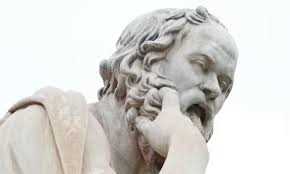
In the annals of human civilization, few figures embody the perilous cost of knowledge as vividly as Socrates. His life and death remain not merely a chapter in Athenian history but a timeless parable of the fate that awaits those who dare to disturb the stagnant waters of ignorance. To speak truth in a society unprepared to hear it is to invite execution, exile, alienation, or incarceration. Socrates bore this burden with unflinching courage, and in his martyrdom, knowledge itself was crucified upon the gallows of fear.
It was not Socrates alone who was condemned by Athens; it was the very spirit of inquiry he personified. Knowledge, by its nature, unsettles complacency. It creates ripples in the ocean of insularity, forcing men to confront uncomfortable truths. Ignorance, on the other hand, slips away unnoticed, evading scrutiny with ease. Socrates understood this dichotomy and chose to embrace the perilous path of questioning, even when the price was his life.
He dared to ask: What is virtue? What is justice? What is the good life? These were not idle musings but piercing interrogations that exposed the hollowness of those who claimed authority. In his relentless pursuit of truth, Socrates illuminated the evil of ignorance, revealing it as the root of human folly. Athens, unable to answer his questions, silenced them instead. The hemlock cup became the city’s final reply.
Socrates’ trial was not merely a judicial proceeding; it was a clash between knowledge and power. He exposed the incompetence of those who governed, men who wore the mantle of authority but lacked the wisdom to wield it. His insistence that only the truly knowledgeable—philosophers—should lead the state was a radical proposition. It demanded a complete alteration of the system, a transformation Athens was unwilling to undertake.
Like his disciple Plato, Socrates envisioned a polity guided by reason rather than ambition, by virtue rather than vanity. He sought leaders who could rise above ignorance and govern with understanding. But such a vision threatened the entrenched order, and the guardians of mediocrity responded with the only weapon they possessed: suppression.
What made Socrates formidable was not merely his intellect but his virtue. Knowledge, he believed, flows only from the virtuous. To be wise is to master one’s desires, to live indifferent to wealth and worldly possessions. Socrates embodied this creed with austere simplicity. He walked barefoot through the streets of Athens, clad in shabby garments, eating sparingly, and enduring cold, heat, hunger, and thirst with stoic indifference.
His life was a living testament to the idea that wisdom is not an accumulation of facts but a discipline of the soul. He was considered the most virtuous man in Athens, and it was from this virtue that his knowledge flowed. Unlike the sophists, who sold rhetoric for coin, Socrates sought truth without price, and in doing so, became priceless.
Perhaps the most profound declaration attributed to Socrates is his humble confession: “I know that I know nothing.” Far from being an admission of ignorance, this statement entrenched his stature as a true philosopher. To recognize the limits of one’s knowledge is itself the beginning of wisdom. In this paradox lies the grandeur of Socratic thought: the awareness that certainty is the enemy of inquiry, and that the pursuit of truth is endless.
This realization made Socrates not merely a man of knowledge but a man of understanding. He knew that sin is born not of malice but of ignorance. Men err because they do not comprehend the consequences of their actions. Knowledge, by unveiling these consequences, restrains the hand from wrongdoing. Ignorance, blind to results, commits sin and forgets its aftermath. Thus, for Socrates, the cure to moral failure was not punishment but enlightenment.
The execution of Socrates was more than the death of a man; it was the silencing of questions. Athens, the cradle of democracy, revealed its fragility by condemning its greatest thinker. In killing Socrates, the city betrayed its own ideals, proving that even democracies can fear the light of truth.
Yet, paradoxically, the death of Socrates immortalized him. His blood became the ink with which philosophy was written for centuries to come. Plato carried forward his master’s vision, and through him, the Socratic spirit has never ceased to disturb complacency. Knowledge may be persecuted, but it cannot be destroyed. It rises again in every age, challenging ignorance anew.
The story of Socrates is not confined to antiquity. It is a mirror held up to every society that fears dissent, every institution that silences inquiry, every authority that trembles before truth. The cost of knowledge remains heavy, but its value is immeasurable. To embrace knowledge is to risk alienation, yet to shun it is to embrace decay.
Socrates teaches us that virtue and wisdom are inseparable, that true leadership demands both, and that ignorance is the root of all evil. His life reminds us that the pursuit of truth is worth every sacrifice, even the ultimate one.
In the grand theatre of history, Socrates stands as both actor and martyr, philosopher and prophet. His execution was not the end of knowledge but its rebirth. The hemlock cup, intended to silence him, instead amplified his voice across millennia. Today, as societies wrestle with ignorance, corruption, and the suppression of truth, the lesson of Socrates resounds with renewed urgency: knowledge may cost dearly, but ignorance costs everything.
Email:------------------------azaadbhat28@gmail.com.
Socrates’ trial was not merely a judicial proceeding; it was a clash between knowledge and power. He exposed the incompetence of those who governed, men who wore the mantle of authority but lacked the wisdom to wield it
In the annals of human civilization, few figures embody the perilous cost of knowledge as vividly as Socrates. His life and death remain not merely a chapter in Athenian history but a timeless parable of the fate that awaits those who dare to disturb the stagnant waters of ignorance. To speak truth in a society unprepared to hear it is to invite execution, exile, alienation, or incarceration. Socrates bore this burden with unflinching courage, and in his martyrdom, knowledge itself was crucified upon the gallows of fear.
It was not Socrates alone who was condemned by Athens; it was the very spirit of inquiry he personified. Knowledge, by its nature, unsettles complacency. It creates ripples in the ocean of insularity, forcing men to confront uncomfortable truths. Ignorance, on the other hand, slips away unnoticed, evading scrutiny with ease. Socrates understood this dichotomy and chose to embrace the perilous path of questioning, even when the price was his life.
He dared to ask: What is virtue? What is justice? What is the good life? These were not idle musings but piercing interrogations that exposed the hollowness of those who claimed authority. In his relentless pursuit of truth, Socrates illuminated the evil of ignorance, revealing it as the root of human folly. Athens, unable to answer his questions, silenced them instead. The hemlock cup became the city’s final reply.
Socrates’ trial was not merely a judicial proceeding; it was a clash between knowledge and power. He exposed the incompetence of those who governed, men who wore the mantle of authority but lacked the wisdom to wield it. His insistence that only the truly knowledgeable—philosophers—should lead the state was a radical proposition. It demanded a complete alteration of the system, a transformation Athens was unwilling to undertake.
Like his disciple Plato, Socrates envisioned a polity guided by reason rather than ambition, by virtue rather than vanity. He sought leaders who could rise above ignorance and govern with understanding. But such a vision threatened the entrenched order, and the guardians of mediocrity responded with the only weapon they possessed: suppression.
What made Socrates formidable was not merely his intellect but his virtue. Knowledge, he believed, flows only from the virtuous. To be wise is to master one’s desires, to live indifferent to wealth and worldly possessions. Socrates embodied this creed with austere simplicity. He walked barefoot through the streets of Athens, clad in shabby garments, eating sparingly, and enduring cold, heat, hunger, and thirst with stoic indifference.
His life was a living testament to the idea that wisdom is not an accumulation of facts but a discipline of the soul. He was considered the most virtuous man in Athens, and it was from this virtue that his knowledge flowed. Unlike the sophists, who sold rhetoric for coin, Socrates sought truth without price, and in doing so, became priceless.
Perhaps the most profound declaration attributed to Socrates is his humble confession: “I know that I know nothing.” Far from being an admission of ignorance, this statement entrenched his stature as a true philosopher. To recognize the limits of one’s knowledge is itself the beginning of wisdom. In this paradox lies the grandeur of Socratic thought: the awareness that certainty is the enemy of inquiry, and that the pursuit of truth is endless.
This realization made Socrates not merely a man of knowledge but a man of understanding. He knew that sin is born not of malice but of ignorance. Men err because they do not comprehend the consequences of their actions. Knowledge, by unveiling these consequences, restrains the hand from wrongdoing. Ignorance, blind to results, commits sin and forgets its aftermath. Thus, for Socrates, the cure to moral failure was not punishment but enlightenment.
The execution of Socrates was more than the death of a man; it was the silencing of questions. Athens, the cradle of democracy, revealed its fragility by condemning its greatest thinker. In killing Socrates, the city betrayed its own ideals, proving that even democracies can fear the light of truth.
Yet, paradoxically, the death of Socrates immortalized him. His blood became the ink with which philosophy was written for centuries to come. Plato carried forward his master’s vision, and through him, the Socratic spirit has never ceased to disturb complacency. Knowledge may be persecuted, but it cannot be destroyed. It rises again in every age, challenging ignorance anew.
The story of Socrates is not confined to antiquity. It is a mirror held up to every society that fears dissent, every institution that silences inquiry, every authority that trembles before truth. The cost of knowledge remains heavy, but its value is immeasurable. To embrace knowledge is to risk alienation, yet to shun it is to embrace decay.
Socrates teaches us that virtue and wisdom are inseparable, that true leadership demands both, and that ignorance is the root of all evil. His life reminds us that the pursuit of truth is worth every sacrifice, even the ultimate one.
In the grand theatre of history, Socrates stands as both actor and martyr, philosopher and prophet. His execution was not the end of knowledge but its rebirth. The hemlock cup, intended to silence him, instead amplified his voice across millennia. Today, as societies wrestle with ignorance, corruption, and the suppression of truth, the lesson of Socrates resounds with renewed urgency: knowledge may cost dearly, but ignorance costs everything.
Email:------------------------azaadbhat28@gmail.com.

© Copyright 2023 brighterkashmir.com All Rights Reserved. Quantum Technologies