

The ongoing turmoil in West Asia has once again put India’s foreign policy and domestic preparedness to the test. Prime Minister Narendra Modi’s recent interaction with Chief Ministers, urging a united ‘Team India’ approach, is both timely and strategic. The appeal goes beyond mere optics; it underscores the need for cohesive action, public reassurance, and administrative coordination in times of international uncertainty. The West Asia conflict has multifaceted implications for India. Millions of Indian nationals reside in the Gulf and are directly affected by disruptions. Energy security, trade relations, and remittances—pillars of India’s economic stability—are vulnerable. Domestic political fragmentation or administrative inertia at this juncture could amplify risk, both for citizens abroad and for national interests at home. PM Modi’s insistence on a united approach is, therefore, not just a call for solidarity but a clarion signal to India’s bureaucracy and political leadership: national unity is not optional in a global crisis. ‘Team India’ is a concept that resonates beyond slogans. It calls for seamless cooperation between the Centre and states, proactive diplomacy, and robust crisis management mechanisms. It also demands clarity in communication—ensuring citizens abroad feel supported and citizens at home are informed. By engaging Chief Ministers directly, the Prime Minister is leveraging a critical link in India’s governance chain: the states. Their role in mobilizing resources, disseminating information, and coordinating local administrations can spell the difference between effective crisis management and chaotic response. Critically, this moment highlights the interplay of domestic politics and foreign affairs. India’s approach to West Asia will require careful balancing of strategic partnerships, energy imperatives, and humanitarian responsibilities. Any internal discord or politicization could weaken India’s negotiating power and credibility on the international stage. PM Modi’s push for unity is, therefore, both a domestic and diplomatic strategy—strength at home translates to leverage abroad. Ultimately, the West Asia crisis is a test of India’s resilience, governance, and collective spirit. The Prime Minister’s call for ‘Team India’ is not rhetorical flourish; it is an urgent directive. Effective coordination, shared responsibility, and unwavering national focus are indispensable. If the country can rise to the occasion, this challenge could reinforce India’s global stature and demonstrate the true power of unity in the face of adversity.
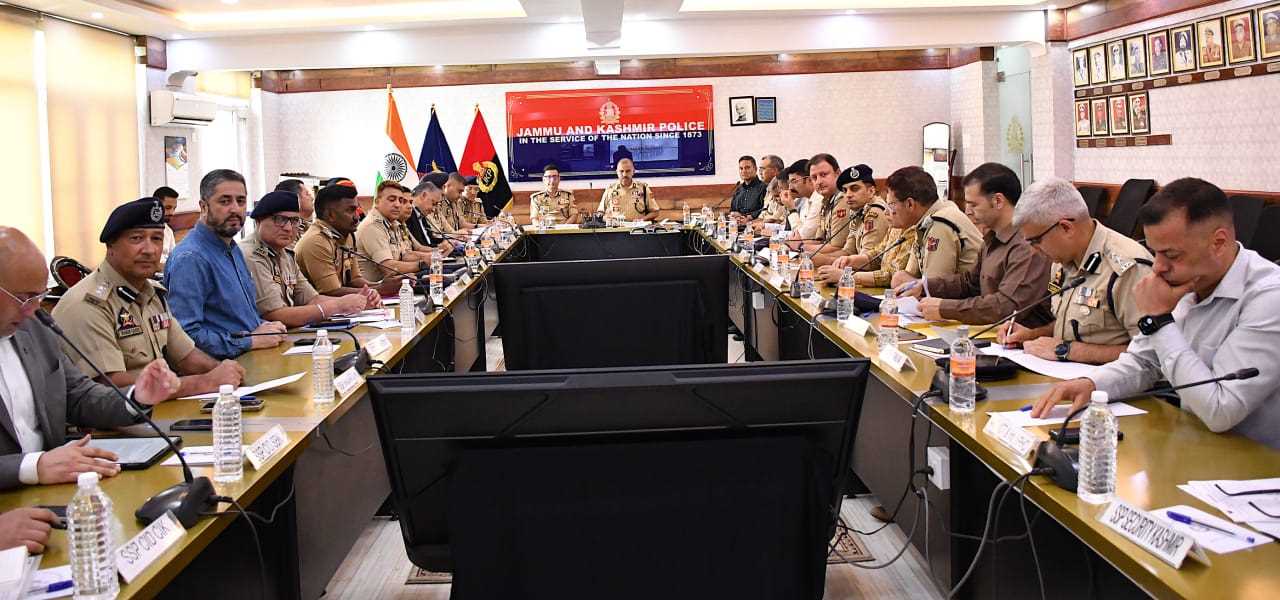

The ongoing turmoil in West Asia has once again put India’s foreign policy and domestic preparedness to the test. Prime Minister Narendra Modi’s recent interaction with Chief Ministers, urging a united ‘Team India’ approach, is both timely and strategic. The appeal goes beyond mere optics; it underscores the need for cohesive action, public reassurance, and administrative coordination in times of international uncertainty. The West Asia conflict has multifaceted implications for India. Millions of Indian nationals reside in the Gulf and are directly affected by disruptions. Energy security, trade relations, and remittances—pillars of India’s economic stability—are vulnerable. Domestic political fragmentation or administrative inertia at this juncture could amplify risk, both for citizens abroad and for national interests at home. PM Modi’s insistence on a united approach is, therefore, not just a call for solidarity but a clarion signal to India’s bureaucracy and political leadership: national unity is not optional in a global crisis. ‘Team India’ is a concept that resonates beyond slogans. It calls for seamless cooperation between the Centre and states, proactive diplomacy, and robust crisis management mechanisms. It also demands clarity in communication—ensuring citizens abroad feel supported and citizens at home are informed. By engaging Chief Ministers directly, the Prime Minister is leveraging a critical link in India’s governance chain: the states. Their role in mobilizing resources, disseminating information, and coordinating local administrations can spell the difference between effective crisis management and chaotic response. Critically, this moment highlights the interplay of domestic politics and foreign affairs. India’s approach to West Asia will require careful balancing of strategic partnerships, energy imperatives, and humanitarian responsibilities. Any internal discord or politicization could weaken India’s negotiating power and credibility on the international stage. PM Modi’s push for unity is, therefore, both a domestic and diplomatic strategy—strength at home translates to leverage abroad. Ultimately, the West Asia crisis is a test of India’s resilience, governance, and collective spirit. The Prime Minister’s call for ‘Team India’ is not rhetorical flourish; it is an urgent directive. Effective coordination, shared responsibility, and unwavering national focus are indispensable. If the country can rise to the occasion, this challenge could reinforce India’s global stature and demonstrate the true power of unity in the face of adversity.

© Copyright 2023 brighterkashmir.com All Rights Reserved. Quantum Technologies