
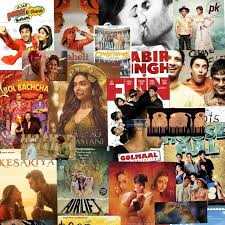
BREAKING NEWS
Our very own first copy of Hollywood is called Bollywood, God knows who christened it so. Be it whatsoever!
Old movies were really old enough not to live in a universe governed by their own stubbornly poetic logic, if you can dare to call it logic by any means.
It is a place where reality takes frequent tea breaks and common sense is politely asked to wait outside for hours. And somehow, we love every ridiculous moment of the Hollywood first copy.
Isn't it strange?
Take the grand piano, for example. In old films, every rich heroine’s house had to compulsorily contain a grand piano, even if no one else in the mansion knew what it was for. I think the reason was the spacious bungalow which had to be filled with items of even useless luxury. Miraculously, the poor hero, whose financial condition suggested he could barely afford bus fare, was always a trained pianist. God knows, again, who paid the fees on his behalf to attend the piano classes. Not only that, he could sing heartbreakingly poetic songs of Sahir Ludhiyanvi and the likes about betrayal while playing it.
Haven't you seen Ram aur Shyam with thespian Dilip Kumar in the double lead? The moment when he sings:
Aaj ki raat mere dil ki salami lele
Kal teri bazm se diwana chala jayega
Or Patthar ke Sanam with Manoj Kumar in the lead role where he sings in his unique style:
Patthar ke sanam tujhe ham ne muhabbat ka khuda Jaana
And many more! The list is endless. But the piano remains the same.
What is more astonishing is that the heroine understood every metaphor, every note and expressed her emotional turmoil by twisting the end of her sari. The rest of the crowd, meanwhile, stood around like confused idiots, listening with blank expressions and needing some nails to be blown into their mind.
I am damn positive you remember Rajesh Khanna singing 'Dakiya Dak Laya'.
Letters in old movies were far more advanced than today’s emails. The moment a letter was opened, the writer’s face appeared out of thin air, speaking the contents aloud with dramatic pauses. Forget video calls; this was handwritten augmented reality.
Romance, once sparked, often resulted in immediate danger to nearby livestock. A goat or lamb would conveniently appear and the heroine, overwhelmed by love, would hug and kiss it enthusiastically. Why? No one knows. But the goat never consented and cinema never cared.
Public displays of affection were outsourced to nature.
This was, I strongly feel so, the decency of the human beings or the fear of the censor board. Whatever, by the way, two birds sitting on a branch would flirt on behalf of the hero and heroine. Hugging a tree was cinema’s subtle way of saying, 'These two are emotionally very close.' And if the hero merely appeared, the heroine’s breathing would instantly malfunction, as though love was a respiratory disease.
And what do you think about the doctors?
Doctors in old movies were terrifyingly efficient. One look at the patient and they’d announce,
'Heart attack… or cancer… you have three days.' No tests, no scans, just vibes. Bonus points if they also provided the exact date and time of death.
Bad news had its own physical reaction: whatever object was in your hand had to fall. A glass, a tray, a letter; gravity was contractually obligated to act dramatic.
When the heroine decided to leave home, her entire worldly possession, clothes, shoes, jewelry, makeup, emotional baggage, somehow fit into a single suitcase. I hope someday our very own ISRO or DRDO would study the whereabouts of the logic behind this occurnece.
Songs and dances were sacred. If the villain wanted to harass someone or insult the heroine’s father, he’d wait patiently until the song ended. Even criminals respected choreography, much more than late Saroj Khan did it herself. And if the heroine danced on the road, people would form a neat circle and watch politely, as if this was a perfectly normal traffic situation.
The heroine’s friends always knew which song she was about to sing and arrived fully rehearsed for chorus dancing. The hero’s best friend, meanwhile, had no job, no family, no responsibilities; just a lifelong commitment to hanging around the hero.
Climaxes were equally predictable. The hero’s mother and beloved would inevitably be tied up together in the villain’s hideout, completely undoing the hero’s progress. Courtroom dramas followed the same rule: even if the verdict went against the hero, everyone knew he’d crawl in at the last second, bleeding, with the real evidence.
And horror films?
Do you remember Ramsay brothers?
Yes, of course, why wouldn't you?
A distant bungalow with lights on, guarded by an old watchman holding a lantern, despite electricity clearly existing. Why he lived alone there, who paid his salary and why he never quit his job remains cinema’s greatest mystery.
None of it made sense. All of it made magic.
Those films were absurd, illogical, dramatic beyond reason and equally unforgettable. Logic may have been missing but charm was overflowing. And that’s why, no matter how silly they seem today, old movies were masterpieces then.
And they still are.
No wonder why!
Email:-----------------hasnainaaqib1@gmail.com
Our very own first copy of Hollywood is called Bollywood, God knows who christened it so. Be it whatsoever!
Old movies were really old enough not to live in a universe governed by their own stubbornly poetic logic, if you can dare to call it logic by any means.
It is a place where reality takes frequent tea breaks and common sense is politely asked to wait outside for hours. And somehow, we love every ridiculous moment of the Hollywood first copy.
Isn't it strange?
Take the grand piano, for example. In old films, every rich heroine’s house had to compulsorily contain a grand piano, even if no one else in the mansion knew what it was for. I think the reason was the spacious bungalow which had to be filled with items of even useless luxury. Miraculously, the poor hero, whose financial condition suggested he could barely afford bus fare, was always a trained pianist. God knows, again, who paid the fees on his behalf to attend the piano classes. Not only that, he could sing heartbreakingly poetic songs of Sahir Ludhiyanvi and the likes about betrayal while playing it.
Haven't you seen Ram aur Shyam with thespian Dilip Kumar in the double lead? The moment when he sings:
Aaj ki raat mere dil ki salami lele
Kal teri bazm se diwana chala jayega
Or Patthar ke Sanam with Manoj Kumar in the lead role where he sings in his unique style:
Patthar ke sanam tujhe ham ne muhabbat ka khuda Jaana
And many more! The list is endless. But the piano remains the same.
What is more astonishing is that the heroine understood every metaphor, every note and expressed her emotional turmoil by twisting the end of her sari. The rest of the crowd, meanwhile, stood around like confused idiots, listening with blank expressions and needing some nails to be blown into their mind.
I am damn positive you remember Rajesh Khanna singing 'Dakiya Dak Laya'.
Letters in old movies were far more advanced than today’s emails. The moment a letter was opened, the writer’s face appeared out of thin air, speaking the contents aloud with dramatic pauses. Forget video calls; this was handwritten augmented reality.
Romance, once sparked, often resulted in immediate danger to nearby livestock. A goat or lamb would conveniently appear and the heroine, overwhelmed by love, would hug and kiss it enthusiastically. Why? No one knows. But the goat never consented and cinema never cared.
Public displays of affection were outsourced to nature.
This was, I strongly feel so, the decency of the human beings or the fear of the censor board. Whatever, by the way, two birds sitting on a branch would flirt on behalf of the hero and heroine. Hugging a tree was cinema’s subtle way of saying, 'These two are emotionally very close.' And if the hero merely appeared, the heroine’s breathing would instantly malfunction, as though love was a respiratory disease.
And what do you think about the doctors?
Doctors in old movies were terrifyingly efficient. One look at the patient and they’d announce,
'Heart attack… or cancer… you have three days.' No tests, no scans, just vibes. Bonus points if they also provided the exact date and time of death.
Bad news had its own physical reaction: whatever object was in your hand had to fall. A glass, a tray, a letter; gravity was contractually obligated to act dramatic.
When the heroine decided to leave home, her entire worldly possession, clothes, shoes, jewelry, makeup, emotional baggage, somehow fit into a single suitcase. I hope someday our very own ISRO or DRDO would study the whereabouts of the logic behind this occurnece.
Songs and dances were sacred. If the villain wanted to harass someone or insult the heroine’s father, he’d wait patiently until the song ended. Even criminals respected choreography, much more than late Saroj Khan did it herself. And if the heroine danced on the road, people would form a neat circle and watch politely, as if this was a perfectly normal traffic situation.
The heroine’s friends always knew which song she was about to sing and arrived fully rehearsed for chorus dancing. The hero’s best friend, meanwhile, had no job, no family, no responsibilities; just a lifelong commitment to hanging around the hero.
Climaxes were equally predictable. The hero’s mother and beloved would inevitably be tied up together in the villain’s hideout, completely undoing the hero’s progress. Courtroom dramas followed the same rule: even if the verdict went against the hero, everyone knew he’d crawl in at the last second, bleeding, with the real evidence.
And horror films?
Do you remember Ramsay brothers?
Yes, of course, why wouldn't you?
A distant bungalow with lights on, guarded by an old watchman holding a lantern, despite electricity clearly existing. Why he lived alone there, who paid his salary and why he never quit his job remains cinema’s greatest mystery.
None of it made sense. All of it made magic.
Those films were absurd, illogical, dramatic beyond reason and equally unforgettable. Logic may have been missing but charm was overflowing. And that’s why, no matter how silly they seem today, old movies were masterpieces then.
And they still are.
No wonder why!
Email:-----------------hasnainaaqib1@gmail.com

© Copyright 2023 brighterkashmir.com All Rights Reserved. Quantum Technologies