
The contrast with the neighbourhood could not be starker. While Kashmir grapples with traffic jams caused by eager tourists and fully booked hotels, the region across the border faces an existential crisis of governance and basic sustenance
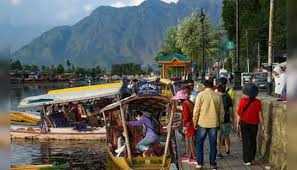
The transformation of the Kashmir Valley over the past half a decade is nothing short of a geopolitical and psychological revolution. It is a story of resilience that has effectively dismantled decades of foreign sponsored turbulence and replaced it with the vibrant hum of commerce and connectivity. As one stands on the banks of the Dal Lake today or watches the bustling crowds in the markets of Lal Chowk, it becomes undeniably clear that the region has turned a decisive corner. The record breaking influx of tourists, with numbers crossing the two crore mark annually, is not merely a statistic for economic journals. It is a resounding referendum by the people of India and, more importantly, the people of Kashmir themselves against the archaic and destructive agenda of separatism that was fuelled from across the border. This tourism boom represents the most potent antidote to radicalisation, for it has replaced the stones of the past with the solid foundation of economic self sufficiency.
For years, the adversaries of Indian integrity, seated comfortably in Rawalpindi and Islamabad, operated on a cynical calculus that assumed a perpetual state of unrest in the Valley would serve their strategic depth. They thrived on the poverty and isolation of the Kashmiri youth, using economic deprivation as a fertile ground to sow the seeds of discord. However, the abrogation of Article 370 and the subsequent integration of the region into the national economic mainstream have shattered this delusion. The surge in tourism has given the average Kashmiri a direct, tangible stake in peace. When a pony owner in Pahalgam, a shikara rower in Srinagar or a homestay host in Gurez sees their daily earnings multiply, they naturally become the first line of defence against any attempt to disrupt that stability. The prosperity that flows from the rest of India into the Valley is not just revenue but a binding adhesive that knits the region tighter with the Union.
This specific economic empowerment explains the desperation visible in the tactics of the deep state across the border. The orchestrated attempts to disturb this newfound peace, such as the targeted attack in Pahalgam, were not random acts of violence but calculated moves to puncture the confidence of the tourism sector. The handlers in Pakistan understood correctly that a prosperous Kashmir is a Kashmir that has moved on from their narrative. They intended to create a fear psychosis that would empty the hotels and ground the flights, thereby forcing the local population back into a cycle of dependence on conflict. Yet, the resilience shown by the people of the Valley in the face of such provocations is a testament to how much the ground reality has shifted. The local condemnation of such attacks and the refusal of the tourism ecosystem to collapse indicates that the people have realised who their true enemies are. They recognise that those who send guns from across the border are not liberators but destroyers of the very livelihoods that feed their children.
The opportunities arising from this boom are vast and still largely untapped. The current concentration of tourists in the famous Golden Triangle of Srinagar, Gulmarg and Pahalgam is just the tip of the iceberg. The administration’s strategic push to develop offbeat destinations is a masterstroke that will decentralise wealth. By opening up virgin locales like the Bangus Valley, purely for its breathtaking meadows or the rugged terrains of Gurez which were once shadowed by the fear of shelling, the government is bringing the remote border villages into the fold of the national economy. This is strategically vital because these border regions are the frontiers of the nation. When a village in Kupwara or Bandipora transforms into a thriving tourism hub, it sends a powerful visual message across the Line of Control to the residents of Pakistan occupied Kashmir, who continue to grapple with an identity crisis and economic stagnation. The sight of Indian tourists freely exploring areas like Keran and Teetwal, waving at the other side, is a psychological victory that no amount of propaganda can counter.
Furthermore, the potential for religious and cultural tourism remains immense and serves as another layer of connection between the Valley and the rest of the civilisation. The ancient ruins of the Martand Sun Temple and the Avantiswami Temple stand as silent witnesses to the region’s deep Indic roots. Developing a structured heritage circuit that honours these sites, along with a Sufi circuit that celebrates the syncretic spiritual traditions of the region, will attract a different caliber of tourist. This will foster a deeper cultural understanding and respect that goes beyond mere sightseeing. It reinforces the idea that Kashmir is not just a piece of land to be fought over, but a spiritual and cultural fountainhead of the Indian subcontinent.
However, this rapid explosion of interest brings with it a set of challenges that must be managed with prudence to ensure that this success story does not become a victim of its own momentum. The strain on infrastructure is palpable, with traffic snarls in hill stations and a rising demand for resources like water and electricity. The challenge lies in balancing mass tourism with ecological sustainability. The administration must strictly enforce building codes and waste management protocols to preserve the pristine environment that attracts visitors in the first place. Yet, these are the challenges of growth and abundance, which are infinitely preferable to the challenges of stagnation and violence.
The contrast with the neighbourhood could not be starker. While Kashmir grapples with traffic jams caused by eager tourists and fully booked hotels, the region across the border faces an existential crisis of governance and basic sustenance. The “Kashmir model” of development, driven by democracy and legitimate economic aspiration, has proven its superiority over the “terror model” exported by Pakistan. The youth of the Valley are increasingly looking towards Bengaluru and Mumbai for inspiration rather than Muzaffarabad or Lahore. They are picking up laptops and hospitality management degrees instead of stones. This demographic dividend, fuelled by the opportunities of the tourism boom, is the final nail in the coffin of the separatist agenda.
The tourism boom in Kashmir is not a fleeting phenomenon but a structural realignment of the region’s destiny. It is the economic manifestation of the complete and final integration of Jammu and Kashmir with India. The challenges of managing this growth are significant, but they are the delightful burdens of peace. As the roads widen and the tunnels open, shrinking the physical and emotional distance between New Delhi and Srinagar, the Valley is reclaiming its rightful place as the crown jewel of India. The detractors across the border may continue to plot and scheme, but they are fighting a losing battle against the collective will of the people who have tasted prosperity and dignity. The Valley has chosen its path and it is a path that leads towards a bright, prosperous and indivisible future with the Union of India. The mountains are echoing with the laughter of tourists and that sound is drowning out the fading rhetoric of hate.
The contrast with the neighbourhood could not be starker. While Kashmir grapples with traffic jams caused by eager tourists and fully booked hotels, the region across the border faces an existential crisis of governance and basic sustenance
The transformation of the Kashmir Valley over the past half a decade is nothing short of a geopolitical and psychological revolution. It is a story of resilience that has effectively dismantled decades of foreign sponsored turbulence and replaced it with the vibrant hum of commerce and connectivity. As one stands on the banks of the Dal Lake today or watches the bustling crowds in the markets of Lal Chowk, it becomes undeniably clear that the region has turned a decisive corner. The record breaking influx of tourists, with numbers crossing the two crore mark annually, is not merely a statistic for economic journals. It is a resounding referendum by the people of India and, more importantly, the people of Kashmir themselves against the archaic and destructive agenda of separatism that was fuelled from across the border. This tourism boom represents the most potent antidote to radicalisation, for it has replaced the stones of the past with the solid foundation of economic self sufficiency.
For years, the adversaries of Indian integrity, seated comfortably in Rawalpindi and Islamabad, operated on a cynical calculus that assumed a perpetual state of unrest in the Valley would serve their strategic depth. They thrived on the poverty and isolation of the Kashmiri youth, using economic deprivation as a fertile ground to sow the seeds of discord. However, the abrogation of Article 370 and the subsequent integration of the region into the national economic mainstream have shattered this delusion. The surge in tourism has given the average Kashmiri a direct, tangible stake in peace. When a pony owner in Pahalgam, a shikara rower in Srinagar or a homestay host in Gurez sees their daily earnings multiply, they naturally become the first line of defence against any attempt to disrupt that stability. The prosperity that flows from the rest of India into the Valley is not just revenue but a binding adhesive that knits the region tighter with the Union.
This specific economic empowerment explains the desperation visible in the tactics of the deep state across the border. The orchestrated attempts to disturb this newfound peace, such as the targeted attack in Pahalgam, were not random acts of violence but calculated moves to puncture the confidence of the tourism sector. The handlers in Pakistan understood correctly that a prosperous Kashmir is a Kashmir that has moved on from their narrative. They intended to create a fear psychosis that would empty the hotels and ground the flights, thereby forcing the local population back into a cycle of dependence on conflict. Yet, the resilience shown by the people of the Valley in the face of such provocations is a testament to how much the ground reality has shifted. The local condemnation of such attacks and the refusal of the tourism ecosystem to collapse indicates that the people have realised who their true enemies are. They recognise that those who send guns from across the border are not liberators but destroyers of the very livelihoods that feed their children.
The opportunities arising from this boom are vast and still largely untapped. The current concentration of tourists in the famous Golden Triangle of Srinagar, Gulmarg and Pahalgam is just the tip of the iceberg. The administration’s strategic push to develop offbeat destinations is a masterstroke that will decentralise wealth. By opening up virgin locales like the Bangus Valley, purely for its breathtaking meadows or the rugged terrains of Gurez which were once shadowed by the fear of shelling, the government is bringing the remote border villages into the fold of the national economy. This is strategically vital because these border regions are the frontiers of the nation. When a village in Kupwara or Bandipora transforms into a thriving tourism hub, it sends a powerful visual message across the Line of Control to the residents of Pakistan occupied Kashmir, who continue to grapple with an identity crisis and economic stagnation. The sight of Indian tourists freely exploring areas like Keran and Teetwal, waving at the other side, is a psychological victory that no amount of propaganda can counter.
Furthermore, the potential for religious and cultural tourism remains immense and serves as another layer of connection between the Valley and the rest of the civilisation. The ancient ruins of the Martand Sun Temple and the Avantiswami Temple stand as silent witnesses to the region’s deep Indic roots. Developing a structured heritage circuit that honours these sites, along with a Sufi circuit that celebrates the syncretic spiritual traditions of the region, will attract a different caliber of tourist. This will foster a deeper cultural understanding and respect that goes beyond mere sightseeing. It reinforces the idea that Kashmir is not just a piece of land to be fought over, but a spiritual and cultural fountainhead of the Indian subcontinent.
However, this rapid explosion of interest brings with it a set of challenges that must be managed with prudence to ensure that this success story does not become a victim of its own momentum. The strain on infrastructure is palpable, with traffic snarls in hill stations and a rising demand for resources like water and electricity. The challenge lies in balancing mass tourism with ecological sustainability. The administration must strictly enforce building codes and waste management protocols to preserve the pristine environment that attracts visitors in the first place. Yet, these are the challenges of growth and abundance, which are infinitely preferable to the challenges of stagnation and violence.
The contrast with the neighbourhood could not be starker. While Kashmir grapples with traffic jams caused by eager tourists and fully booked hotels, the region across the border faces an existential crisis of governance and basic sustenance. The “Kashmir model” of development, driven by democracy and legitimate economic aspiration, has proven its superiority over the “terror model” exported by Pakistan. The youth of the Valley are increasingly looking towards Bengaluru and Mumbai for inspiration rather than Muzaffarabad or Lahore. They are picking up laptops and hospitality management degrees instead of stones. This demographic dividend, fuelled by the opportunities of the tourism boom, is the final nail in the coffin of the separatist agenda.
The tourism boom in Kashmir is not a fleeting phenomenon but a structural realignment of the region’s destiny. It is the economic manifestation of the complete and final integration of Jammu and Kashmir with India. The challenges of managing this growth are significant, but they are the delightful burdens of peace. As the roads widen and the tunnels open, shrinking the physical and emotional distance between New Delhi and Srinagar, the Valley is reclaiming its rightful place as the crown jewel of India. The detractors across the border may continue to plot and scheme, but they are fighting a losing battle against the collective will of the people who have tasted prosperity and dignity. The Valley has chosen its path and it is a path that leads towards a bright, prosperous and indivisible future with the Union of India. The mountains are echoing with the laughter of tourists and that sound is drowning out the fading rhetoric of hate.

© Copyright 2023 brighterkashmir.com All Rights Reserved. Quantum Technologies