
BREAKING NEWS
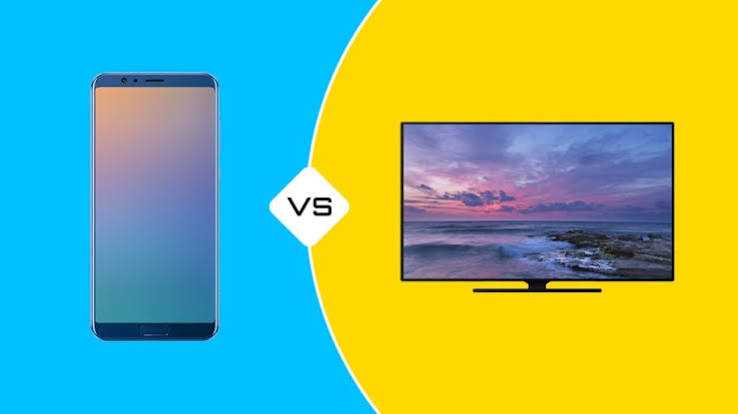
In the not-so-distant past, the Television Network and radio constituted the principal conduits of recreation and information for the masses, alongside literature. However, in contemporary times, the mobile phone has emerged as the predominant medium of amusement for a substantial segment of society.
Proponents of mobile technology extol its utility not merely as a source of entertainment, but also as an invaluable instrument for the acquisition of knowledge. Nevertheless, a comparative analysis reveals several important distinctions between the two mediums.
The Television Network facilitated comprehensive consumption of cinematic and serial content, whereas mobile platforms predominantly offer ephemeral short-form videos. This format, while engaging, has arguably affected our linguistic proficiency and capacity for sustained cognitive engagement. Furthermore, television programming encompassed a diverse linguistic repertoire, including English, Hindi, Urdu, and others, thereby enhancing the populace's linguistic, translational, and communicative competencies.
A significant impediment associated with the Television Network was its reliance on an often erratic electricity supply. Conversely, mobile devices, equipped with rechargeable batteries of prolonged endurance, afford uninterrupted access to content, irrespective of temporal or spatial constraints.
Notwithstanding the convenience of mobile technology, a discernible disparity persists regarding screen size. Television screens, by virtue of their expansive dimensions, permitted viewing from a greater distance, thereby reducing the strain associated with prolonged close viewing. In contrast, mobile phones necessitate relatively close viewing, which can contribute to eye strain and poor posture when used excessively.
Moreover, television content was traditionally the product of professionals in media, arts, and literature. The advent of mobile short videos, however, has democratised content creation, enabling virtually every individual to assume the role of writer, director, presenter, or content creator.
While mobile phones indisputably excel as repositories of knowledge and research, with information readily accessible, and serve as indispensable tools for commercial enterprise, their pervasive use for perfunctory video consumption warrants scrutiny.
Ultimately, whether one elects to watch shows, series, news, and films via the Television Network or a mobile device, the debate concerning which medium constitutes a superior source of knowledge and entertainment remains inconclusive. Only time will tell how both the Television Network and the mobile phone will continue to function as mediums of information and amusement, and to what extent they will contribute to the edification of a more informed and resilient society.
Email:----------------------- saleemanim1982@gmail.com
In the not-so-distant past, the Television Network and radio constituted the principal conduits of recreation and information for the masses, alongside literature. However, in contemporary times, the mobile phone has emerged as the predominant medium of amusement for a substantial segment of society.
Proponents of mobile technology extol its utility not merely as a source of entertainment, but also as an invaluable instrument for the acquisition of knowledge. Nevertheless, a comparative analysis reveals several important distinctions between the two mediums.
The Television Network facilitated comprehensive consumption of cinematic and serial content, whereas mobile platforms predominantly offer ephemeral short-form videos. This format, while engaging, has arguably affected our linguistic proficiency and capacity for sustained cognitive engagement. Furthermore, television programming encompassed a diverse linguistic repertoire, including English, Hindi, Urdu, and others, thereby enhancing the populace's linguistic, translational, and communicative competencies.
A significant impediment associated with the Television Network was its reliance on an often erratic electricity supply. Conversely, mobile devices, equipped with rechargeable batteries of prolonged endurance, afford uninterrupted access to content, irrespective of temporal or spatial constraints.
Notwithstanding the convenience of mobile technology, a discernible disparity persists regarding screen size. Television screens, by virtue of their expansive dimensions, permitted viewing from a greater distance, thereby reducing the strain associated with prolonged close viewing. In contrast, mobile phones necessitate relatively close viewing, which can contribute to eye strain and poor posture when used excessively.
Moreover, television content was traditionally the product of professionals in media, arts, and literature. The advent of mobile short videos, however, has democratised content creation, enabling virtually every individual to assume the role of writer, director, presenter, or content creator.
While mobile phones indisputably excel as repositories of knowledge and research, with information readily accessible, and serve as indispensable tools for commercial enterprise, their pervasive use for perfunctory video consumption warrants scrutiny.
Ultimately, whether one elects to watch shows, series, news, and films via the Television Network or a mobile device, the debate concerning which medium constitutes a superior source of knowledge and entertainment remains inconclusive. Only time will tell how both the Television Network and the mobile phone will continue to function as mediums of information and amusement, and to what extent they will contribute to the edification of a more informed and resilient society.
Email:----------------------- saleemanim1982@gmail.com

© Copyright 2023 brighterkashmir.com All Rights Reserved. Quantum Technologies