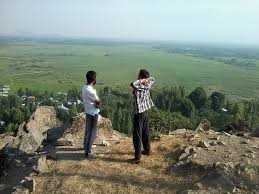
Srinagar, Jan 13: Nestled amid the tranquil landscapes of central Kashmir’s Ganderbal district, the village of Waliwar stands as a timeless symbol of Kashmir’s spiritual and cultural heritage. Revered for centuries as a sanctuary of saints and seekers, Waliwar—literally meaning “the garden of saints” embodies the deep-rooted Sufi traditions that have shaped Kashmir’s spiritual identity.
Located nearly 30 kilometres from Srinagar, Waliwar is home to the revered shrine of Hazrat Syed Baba Badrudin (RA), a prominent Sufi saint who arrived in Kashmir in the 14th century as part of the historic entourage of Mir Mohammad Hamadani (RA). This caravan of scholars, Sufis, and artisans played a pivotal role in spreading Islamic mysticism while blending it harmoniously with Kashmir’s indigenous Rishi-Sufi tradition.
Renowned historian Dr Abdul Ahad, reflecting on this transformative era, writes, “The arrival of Mir Mohammad Hamadani and his companions marked a golden age of Sufism in Kashmir. It was not merely a religious awakening, but a profound cultural and social renaissance that fused Persian mysticism with Kashmir’s spiritual ethos.”
Drawn by the village’s serenity and natural beauty, Hazrat Syed Baba Badrudin (RA) chose Waliwar as a place for meditation and worship. Over time, the land came to be revered as the “Dargah of 1100 Saints,” symbolizing the presence and spiritual influence of numerous holy figures who settled here.
The name Waliwar evolved from the Kashmiri words Wali (saint) and War (garden), reflecting its sacred character. Alongside Baba Badrudin (RA), other revered saints such as Syed Rahim Shah (RA), Syed Musa (RA), Haji Baba (RA), and Syed Tahir Shah (RA) also settled in the area, transforming Waliwar into a spiritual nucleus that attracted Syed families and spiritual seekers alike.
Among Waliwar’s most intriguing spiritual symbols are two sacred stones deeply embedded in local belief. One stone, known locally as naem, is believed to have been used by saints for grinding food or medicinal substances. The second, often described as heavenly, is believed to have descended from the skies.
This stone bears what locals describe as finger impressions, remains aligned toward the Qibla, and was traditionally used for prayer by saints.
Local scholar Syed Murtaza Bukhari Al-Naqashbandi notes that Sheikh Noor-ud-Din Noorani (RA) known for naming several places across Kashmir—also named this sacred site Waliwar, further affirming its spiritual prominence.
The shrine of Syed Peer Akbar Shah Khaleefa (RA) continues to serve as a centre for devotion and spiritual gatherings.
Syed Aniyat Shah, the present Reshi (custodian) of the shrine, traces his family’s lineage to Syed Habib Shah and speaks of generations of custodianship.
“For centuries, our family has served this sacred space with humility. Devotees come here seeking peace, healing, and blessings. Waliwar’s message of love and spirituality transcends time,” he says.
Beyond its shrines, Waliwar represents a living confluence of faith, history, and culture, echoing the teachings of compassion and unity passed down by Sufi saints.
Each year, on June 19 and June 30, the Urs of Hazrat Baba Badrudin (RA) is observed with deep reverence. Pilgrims and devotees from across Kashmir gather to participate in prayers and spiritual rituals.
A Seerat Conference is also organized during the Urs, bringing together local and visiting Ulema who reflect on the teachings of the Prophet and the Sufi saints.
Syed Manzoor Bukhari, a caretaker of the shrine, highlights the significance of these gatherings and said, “During the Urs, Waliwar truly comes alive. The Seerat Conference spreads the timeless message of love, unity, and spirituality that these saints stood for.”
Despite its immense spiritual and cultural importance, Waliwar continues to struggle with inadequate infrastructure. Night-stay facilities for pilgrims remain incomplete due to a lack of funds, forcing many visitors to leave without proper accommodation.
Locals believe that improving infrastructure could significantly boost religious and heritage tourism, while also generating economic opportunities for residents. They urge authorities to prioritize the completion and expansion of pilgrim quarters and the redevelopment of the shrine and adjoining masjid.
Residents remain hopeful that the government will recognize Waliwar’s historical and spiritual value. Until then, this sacred village continues to stand as a silent witness to centuries of devotion whispering messages of peace, love, and transcendence across generations.

Srinagar, Jan 13: Nestled amid the tranquil landscapes of central Kashmir’s Ganderbal district, the village of Waliwar stands as a timeless symbol of Kashmir’s spiritual and cultural heritage. Revered for centuries as a sanctuary of saints and seekers, Waliwar—literally meaning “the garden of saints” embodies the deep-rooted Sufi traditions that have shaped Kashmir’s spiritual identity.
Located nearly 30 kilometres from Srinagar, Waliwar is home to the revered shrine of Hazrat Syed Baba Badrudin (RA), a prominent Sufi saint who arrived in Kashmir in the 14th century as part of the historic entourage of Mir Mohammad Hamadani (RA). This caravan of scholars, Sufis, and artisans played a pivotal role in spreading Islamic mysticism while blending it harmoniously with Kashmir’s indigenous Rishi-Sufi tradition.
Renowned historian Dr Abdul Ahad, reflecting on this transformative era, writes, “The arrival of Mir Mohammad Hamadani and his companions marked a golden age of Sufism in Kashmir. It was not merely a religious awakening, but a profound cultural and social renaissance that fused Persian mysticism with Kashmir’s spiritual ethos.”
Drawn by the village’s serenity and natural beauty, Hazrat Syed Baba Badrudin (RA) chose Waliwar as a place for meditation and worship. Over time, the land came to be revered as the “Dargah of 1100 Saints,” symbolizing the presence and spiritual influence of numerous holy figures who settled here.
The name Waliwar evolved from the Kashmiri words Wali (saint) and War (garden), reflecting its sacred character. Alongside Baba Badrudin (RA), other revered saints such as Syed Rahim Shah (RA), Syed Musa (RA), Haji Baba (RA), and Syed Tahir Shah (RA) also settled in the area, transforming Waliwar into a spiritual nucleus that attracted Syed families and spiritual seekers alike.
Among Waliwar’s most intriguing spiritual symbols are two sacred stones deeply embedded in local belief. One stone, known locally as naem, is believed to have been used by saints for grinding food or medicinal substances. The second, often described as heavenly, is believed to have descended from the skies.
This stone bears what locals describe as finger impressions, remains aligned toward the Qibla, and was traditionally used for prayer by saints.
Local scholar Syed Murtaza Bukhari Al-Naqashbandi notes that Sheikh Noor-ud-Din Noorani (RA) known for naming several places across Kashmir—also named this sacred site Waliwar, further affirming its spiritual prominence.
The shrine of Syed Peer Akbar Shah Khaleefa (RA) continues to serve as a centre for devotion and spiritual gatherings.
Syed Aniyat Shah, the present Reshi (custodian) of the shrine, traces his family’s lineage to Syed Habib Shah and speaks of generations of custodianship.
“For centuries, our family has served this sacred space with humility. Devotees come here seeking peace, healing, and blessings. Waliwar’s message of love and spirituality transcends time,” he says.
Beyond its shrines, Waliwar represents a living confluence of faith, history, and culture, echoing the teachings of compassion and unity passed down by Sufi saints.
Each year, on June 19 and June 30, the Urs of Hazrat Baba Badrudin (RA) is observed with deep reverence. Pilgrims and devotees from across Kashmir gather to participate in prayers and spiritual rituals.
A Seerat Conference is also organized during the Urs, bringing together local and visiting Ulema who reflect on the teachings of the Prophet and the Sufi saints.
Syed Manzoor Bukhari, a caretaker of the shrine, highlights the significance of these gatherings and said, “During the Urs, Waliwar truly comes alive. The Seerat Conference spreads the timeless message of love, unity, and spirituality that these saints stood for.”
Despite its immense spiritual and cultural importance, Waliwar continues to struggle with inadequate infrastructure. Night-stay facilities for pilgrims remain incomplete due to a lack of funds, forcing many visitors to leave without proper accommodation.
Locals believe that improving infrastructure could significantly boost religious and heritage tourism, while also generating economic opportunities for residents. They urge authorities to prioritize the completion and expansion of pilgrim quarters and the redevelopment of the shrine and adjoining masjid.
Residents remain hopeful that the government will recognize Waliwar’s historical and spiritual value. Until then, this sacred village continues to stand as a silent witness to centuries of devotion whispering messages of peace, love, and transcendence across generations.
© Copyright 2023 brighterkashmir.com All Rights Reserved. Quantum Technologies