
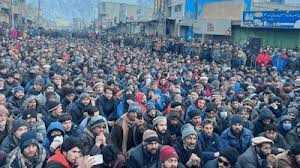
The anger did not erupt overnight. The JAAC movement gained momentum after repeated negotiations with Pakistani authorities produced little more than empty assurances. Protest leaders accuse Islamabad of deliberately delaying constitutional reforms, electoral restructuring and economic relief measures while attempting to weaken the movement through intimidation
The streets of Pakistan-occupied Jammu and Kashmir are no longer whispering dissent. They are roaring it. What began as scattered protests over inflation, electricity shortages and unemployment has now transformed into a full-scale political revolt against Islamabad’s authority in the region. The Joint Awami Action Committee (JAAC), the group spearheading the movement, has announced a territory-wide shutdown on June 9, warning of mass protests, wheel-jam strikes and civil resistance if the Pakistani establishment continues to ignore public demands. The significance of this protest goes far beyond another agitation over economic hardship. This is a direct indictment of Pakistan’s decades-long governance model in PoJK — a system built on political manipulation, economic exploitation and repression masquerading as administration. For years, Islamabad projected PoJK as a “free” territory supposedly enjoying autonomy and democratic rights. But the reality visible on the ground in 2026 tells a very different story. The region remains politically controlled from Islamabad, economically dependent, and increasingly furious. The upcoming June 9 strike may become the biggest challenge Pakistan has faced in the region in years.
A Revolt Against Betrayal
The anger did not erupt overnight. The JAAC movement gained momentum after repeated negotiations with Pakistani authorities produced little more than empty assurances. Protest leaders accuse Islamabad of deliberately delaying constitutional reforms, electoral restructuring and economic relief measures while attempting to weaken the movement through intimidation. That refusal to back down matters. Because this movement is no longer merely about electricity bills or wheat subsidies. It is about accumulated humiliation. The people of PoJK increasingly believe they are treated not as citizens with rights, but as subjects expected to remain silent while decisions about their future are taken elsewhere. The resentment has deepened due to worsening economic conditions across Pakistan in 2026. Inflation continues to hammer ordinary families, fuel prices remain volatile, and unemployment has risen sharply. The Pakistani rupee remains under pressure, food inflation continues to burden households, and economic instability has become a defining feature of everyday life. But PoJK suffers a double burden. The region not only faces Pakistan’s broader economic collapse but also carries the frustration of political exclusion. Residents routinely complain that despite producing electricity through projects like Mangla Dam, they endure crippling power cuts and inflated tariffs. Protesters argue that the region’s resources are exploited while locals receive little benefit in return. This contradiction has become politically explosive. When a government cannot provide affordable food, reliable electricity or credible representation, it loses moral authority. And when it answers peaceful protest with arrests and force, anger inevitably hardens into resistance.
The Myth of Azadi is Crumbling
Pakistan has long insisted that Azad Jammu and Kashmir enjoys freedom and self-governance. But the ongoing unrest is exposing the hollowness of that claim. The protesters are not demanding separation from Pakistan alone; they are demanding dignity, accountability and genuine political rights — demands that should already exist in any truly autonomous territory. The JAAC has repeatedly highlighted issues such as constitutional reform, electoral restructuring and abolition of controversial reserved seats controlled through Islamabad-backed mechanisms. Protest leaders argue that the political system in PoJK is engineered to ensure loyalty to Pakistan’s establishment rather than accountability to local people. That accusation is gaining traction because many residents have watched successive governments come and go without any meaningful change in governance. Prime ministers in PoJK are frequently reshuffled amid political engineering, while the military establishment continues to wield enormous influence behind the scenes. The result is a dangerous crisis of legitimacy. Human rights activists allege that previous protest movements were met not with dialogue but with brute force. During earlier demonstrations linked to inflation and electricity tariffs, clashes reportedly left people injured and triggered widespread arrests. This pattern has fueled a growing belief among residents that Islamabad views PoJK less as a democratic territory and more as a controlled strategic zone where dissent must be managed rather than heard. That perception is toxic for any state. Even more alarming for Pakistan is the fact that anti-establishment sentiment is no longer confined to isolated activists. Public demonstrations indicate that frustration has spread across different sections of society — traders, students, workers and civil groups alike. The June 9 strike therefore represents something larger than a single day of protest. It symbolizes the collapse of public trust.
Islamabad’s Crisis is Deepening
Pakistan’s leadership faces a dilemma it can no longer avoid. If authorities attempt another heavy-handed crackdown, they risk intensifying anti-government anger and transforming PoJK into a permanent center of instability. But if they concede to the protesters’ demands, they expose years of official propaganda about political satisfaction in the region. Either option carries consequences. The broader context makes the situation even more volatile. Across Pakistan in 2026, public frustration is already rising over inflation, governance failures and political repression. Political tensions remain high, opposition parties continue attacking the government over economic mismanagement, and ordinary citizens are increasingly disillusioned with the state’s inability to stabilize the economy. In that atmosphere, unrest in PoJK becomes more than a regional problem. It becomes part of a national legitimacy crisis. The Pakistani establishment has historically relied on security narratives to maintain control over contested regions. But economic collapse changes political equations. When ordinary citizens struggle to buy food, survive inflation or pay electricity bills, nationalist slogans lose their power. That is precisely why the protests in PoJK are so dangerous for Islamabad. The anger is rooted in everyday suffering. It is difficult to suppress permanently because it emerges from lived reality rather than ideology alone. The coming weeks could therefore become decisive. If the June 9 strike draws massive participation, it may embolden wider anti-government sentiment across Pakistan-administered territories. If authorities respond with repression, scrutiny over human rights violations in the region will intensify further. Either way, one fact is undeniable: the political mood in PoJK has fundamentally shifted.
For decades, Islamabad attempted to present the region as proof of Pakistan’s commitment to Kashmiri aspirations. But today, many residents of PoJK are openly accusing Pakistan itself of betrayal. That accusation carries enormous symbolic weight. Because when the people living under your administration rise in anger against you, the crisis is no longer external. It is internal. And internal crises are always the hardest to contain.
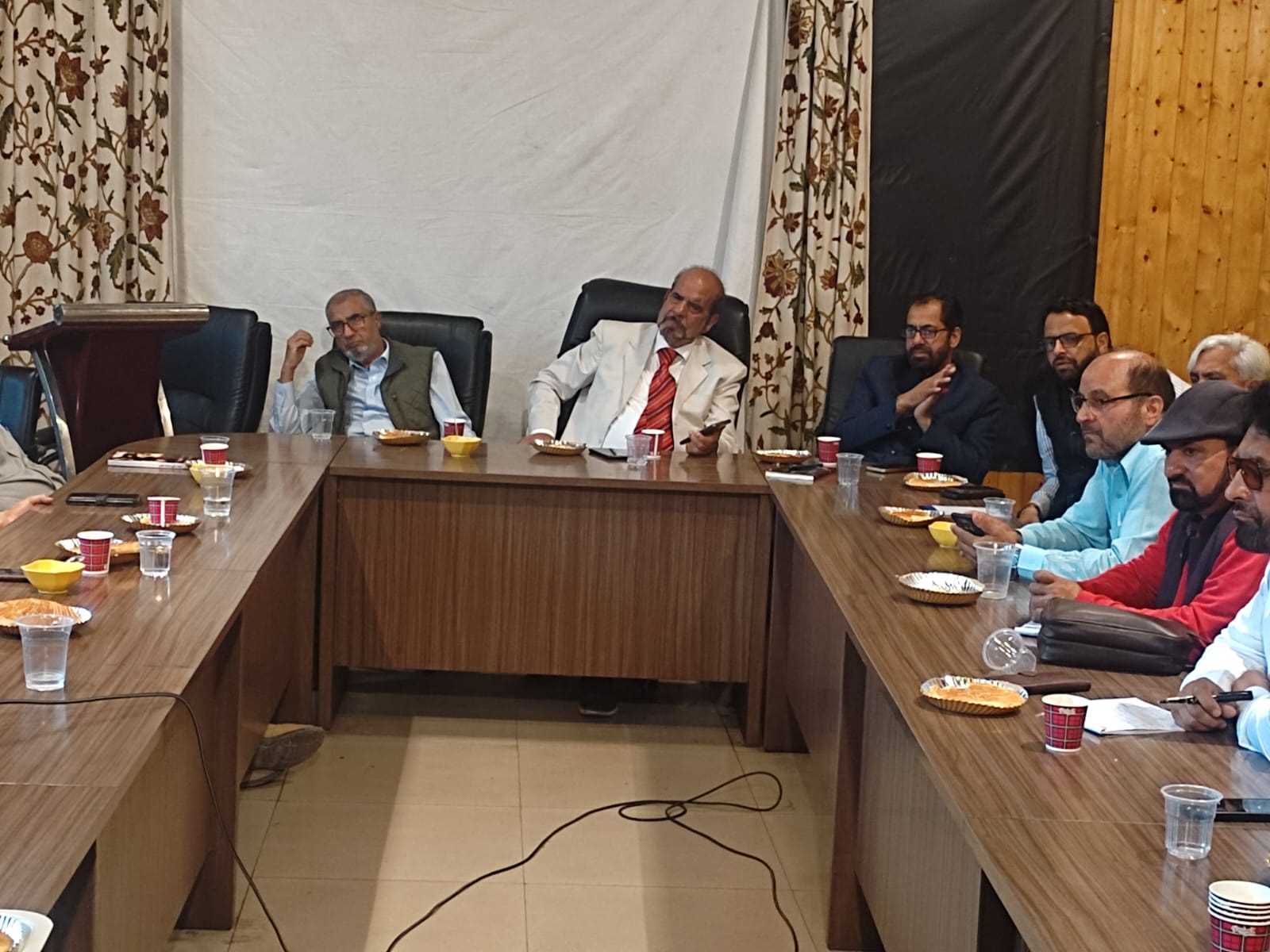

The anger did not erupt overnight. The JAAC movement gained momentum after repeated negotiations with Pakistani authorities produced little more than empty assurances. Protest leaders accuse Islamabad of deliberately delaying constitutional reforms, electoral restructuring and economic relief measures while attempting to weaken the movement through intimidation
The streets of Pakistan-occupied Jammu and Kashmir are no longer whispering dissent. They are roaring it. What began as scattered protests over inflation, electricity shortages and unemployment has now transformed into a full-scale political revolt against Islamabad’s authority in the region. The Joint Awami Action Committee (JAAC), the group spearheading the movement, has announced a territory-wide shutdown on June 9, warning of mass protests, wheel-jam strikes and civil resistance if the Pakistani establishment continues to ignore public demands. The significance of this protest goes far beyond another agitation over economic hardship. This is a direct indictment of Pakistan’s decades-long governance model in PoJK — a system built on political manipulation, economic exploitation and repression masquerading as administration. For years, Islamabad projected PoJK as a “free” territory supposedly enjoying autonomy and democratic rights. But the reality visible on the ground in 2026 tells a very different story. The region remains politically controlled from Islamabad, economically dependent, and increasingly furious. The upcoming June 9 strike may become the biggest challenge Pakistan has faced in the region in years.
A Revolt Against Betrayal
The anger did not erupt overnight. The JAAC movement gained momentum after repeated negotiations with Pakistani authorities produced little more than empty assurances. Protest leaders accuse Islamabad of deliberately delaying constitutional reforms, electoral restructuring and economic relief measures while attempting to weaken the movement through intimidation. That refusal to back down matters. Because this movement is no longer merely about electricity bills or wheat subsidies. It is about accumulated humiliation. The people of PoJK increasingly believe they are treated not as citizens with rights, but as subjects expected to remain silent while decisions about their future are taken elsewhere. The resentment has deepened due to worsening economic conditions across Pakistan in 2026. Inflation continues to hammer ordinary families, fuel prices remain volatile, and unemployment has risen sharply. The Pakistani rupee remains under pressure, food inflation continues to burden households, and economic instability has become a defining feature of everyday life. But PoJK suffers a double burden. The region not only faces Pakistan’s broader economic collapse but also carries the frustration of political exclusion. Residents routinely complain that despite producing electricity through projects like Mangla Dam, they endure crippling power cuts and inflated tariffs. Protesters argue that the region’s resources are exploited while locals receive little benefit in return. This contradiction has become politically explosive. When a government cannot provide affordable food, reliable electricity or credible representation, it loses moral authority. And when it answers peaceful protest with arrests and force, anger inevitably hardens into resistance.
The Myth of Azadi is Crumbling
Pakistan has long insisted that Azad Jammu and Kashmir enjoys freedom and self-governance. But the ongoing unrest is exposing the hollowness of that claim. The protesters are not demanding separation from Pakistan alone; they are demanding dignity, accountability and genuine political rights — demands that should already exist in any truly autonomous territory. The JAAC has repeatedly highlighted issues such as constitutional reform, electoral restructuring and abolition of controversial reserved seats controlled through Islamabad-backed mechanisms. Protest leaders argue that the political system in PoJK is engineered to ensure loyalty to Pakistan’s establishment rather than accountability to local people. That accusation is gaining traction because many residents have watched successive governments come and go without any meaningful change in governance. Prime ministers in PoJK are frequently reshuffled amid political engineering, while the military establishment continues to wield enormous influence behind the scenes. The result is a dangerous crisis of legitimacy. Human rights activists allege that previous protest movements were met not with dialogue but with brute force. During earlier demonstrations linked to inflation and electricity tariffs, clashes reportedly left people injured and triggered widespread arrests. This pattern has fueled a growing belief among residents that Islamabad views PoJK less as a democratic territory and more as a controlled strategic zone where dissent must be managed rather than heard. That perception is toxic for any state. Even more alarming for Pakistan is the fact that anti-establishment sentiment is no longer confined to isolated activists. Public demonstrations indicate that frustration has spread across different sections of society — traders, students, workers and civil groups alike. The June 9 strike therefore represents something larger than a single day of protest. It symbolizes the collapse of public trust.
Islamabad’s Crisis is Deepening
Pakistan’s leadership faces a dilemma it can no longer avoid. If authorities attempt another heavy-handed crackdown, they risk intensifying anti-government anger and transforming PoJK into a permanent center of instability. But if they concede to the protesters’ demands, they expose years of official propaganda about political satisfaction in the region. Either option carries consequences. The broader context makes the situation even more volatile. Across Pakistan in 2026, public frustration is already rising over inflation, governance failures and political repression. Political tensions remain high, opposition parties continue attacking the government over economic mismanagement, and ordinary citizens are increasingly disillusioned with the state’s inability to stabilize the economy. In that atmosphere, unrest in PoJK becomes more than a regional problem. It becomes part of a national legitimacy crisis. The Pakistani establishment has historically relied on security narratives to maintain control over contested regions. But economic collapse changes political equations. When ordinary citizens struggle to buy food, survive inflation or pay electricity bills, nationalist slogans lose their power. That is precisely why the protests in PoJK are so dangerous for Islamabad. The anger is rooted in everyday suffering. It is difficult to suppress permanently because it emerges from lived reality rather than ideology alone. The coming weeks could therefore become decisive. If the June 9 strike draws massive participation, it may embolden wider anti-government sentiment across Pakistan-administered territories. If authorities respond with repression, scrutiny over human rights violations in the region will intensify further. Either way, one fact is undeniable: the political mood in PoJK has fundamentally shifted.
For decades, Islamabad attempted to present the region as proof of Pakistan’s commitment to Kashmiri aspirations. But today, many residents of PoJK are openly accusing Pakistan itself of betrayal. That accusation carries enormous symbolic weight. Because when the people living under your administration rise in anger against you, the crisis is no longer external. It is internal. And internal crises are always the hardest to contain.

© Copyright 2023 brighterkashmir.com All Rights Reserved. Quantum Technologies