
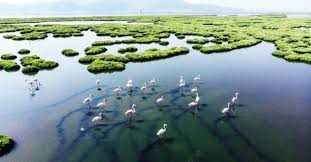
This year's theme, Wetlands and traditional knowledge is interesting and appropriate as it makes us revisit some of the knowledge that is deep seated and look back at traditional wisdom that ensured that these ecosystems sustain themselves and adapt to changing conditions
February 2, 2026 is celebrated as World Wetlands Day all across the globe. This reminds us of the resolution adopted by the UN General Assembly on August 30, 2021, establishing February 2 as World Wetlands Day. Wetlands, as well known, are freshwater ecosystems that include ponds, lakes, swamps and bogs. These ecosystems have played a pivotal role in water recharging during rains and have been habitats of a vast variety of living organisms. Wetland ecosystems perform various functions and offer many economic and ecological services to the people living in their vicinity. India is an abode of wetlands with the highest number of wetlands notified as Ramsar Sites covering 13,60,805.63 hectares. Ramsar sites are notified and designated as wetlands of international importance in the list. The main aim of the convention is to maintain an international network of wetlands and protect them from anthropogenic interventions such as pollution, overexploitation and encroachment.
This year's theme, Wetlands and traditional knowledge is interesting and appropriate as it makes us revisit some of the knowledge that is deep seated and look back at traditional wisdom that ensured that these ecosystems sustain themselves and adapt to changing conditions. The traditional knowledge can help us move forward in understanding the processes that conferred resilience to wetlands and thus help in their protection. The years of efforts though have improved the condition of some wetlands, most of the wetlands, especially those in urban areas are highly abused by humans. Integrating their importance by linking it to culture and traditions brings forth the value of cultural heritage that is tied to the wetlands.
The valley of Kashmir also is supported by an interesting network of lakes, springs, ponds and brooks that also form a complex network of wetlands in Kashmir. Since time immemorial, the traditional knowledge has driven the ethos of culture and tradition in Kashmir. Kashmir itself has been named as Satisar (sar for lake); the abode of the goddess. Therefore, Kashmir wetlands have been revered and considered sacred by every person irrespective of caste, creed, religion, and colour. Sheikh Noor-ud-Din Wali, the famous saint and proponent of rishi and Sufi culture in Kashmir, promoted the concept of living in harmony with everyone and also with nature. Lal Ded, Nund Rishi, Rasool Mir, Laxmanju all have put the natural resources at high esteem and time and again warned the people of Kashmir about the consequences of disrespecting nature and natural resources. Kashmir has many springs (Nag, in Kashmiri) that have been considered sacred by all and there are many stories related to serpents that were found in these habitats. This aspect of serpents guarding these springs helped in conservation and protection of these wetlands to a large extent for many years. Muslims and Hindus used to live in harmony and upheld that Naage gaade chhe haraam, which means that no one should harvest fish from these and consume as food as the almighty does not approve of it.
Kashmiri women used to harvest bounties from some ponds and lakes that included aquatic macrophytes, microphytes as well as fishes. This was also a way to clean up the water body from overgrowth of plants and stop eutrophication. The water grass, the lotus leaves and stem, the trapa plants and fruits were all harvested and dried for various uses. The overgrowth of plants on the surface of a lake or a pond stops the light from reaching the lower layers of the lakes and thus kills the plants. Also, overgrowth of plants would deplete the oxygen levels thus killing the fish. The traditional methods that seemed like annual rituals of pond cleaning were carried out as a fun activity. Harvesting plants, Vyen Kadun, creation of channels to release the excess water helped in creating hydrological balance in the aquatic ecosystems. The locals supported the tourism activities and ensured that the traditional methods of lake preservation and conservation are followed. Many temples and religious sites added more sacredness to these blue spaces and living in harmony with nature was the slogan every Kashmiri believed in letter and spirit.
However, disruption in social fabric, political issues and dilution of values and respect for natural resources overall has changed the Kashmir wetlands, their biodiversity and ecology. Encroachments around wetlands is a new normal. The wudurs, the elevated areas near wetlands that used to play a role of catchment area during floods are all degraded. The concept of wetlands as shared spaces that offered economic and ecological services for people has gone away with the rapid urbanization. But this neglect for years has affected livelihoods and tourism in many parts of the valley. The water bodies need attention from all of us and each one of us has to join the clean-up activities that are steered by the Indian Governments initiative of Amrit Sarovars. Traditional knowledge and cultural confluence can bring back these blue water reserves to life. The amalgamation of culture and science can also help in designing novel mitigation measures to clean up the urban wetlands that are life lines of the cityscapes. We all can do it together and going back to roots is the best way to bring these water bodies to their glory and respect they got from the people in the past.
Email:-------------------------drmkoul@gmail.com


This year's theme, Wetlands and traditional knowledge is interesting and appropriate as it makes us revisit some of the knowledge that is deep seated and look back at traditional wisdom that ensured that these ecosystems sustain themselves and adapt to changing conditions
February 2, 2026 is celebrated as World Wetlands Day all across the globe. This reminds us of the resolution adopted by the UN General Assembly on August 30, 2021, establishing February 2 as World Wetlands Day. Wetlands, as well known, are freshwater ecosystems that include ponds, lakes, swamps and bogs. These ecosystems have played a pivotal role in water recharging during rains and have been habitats of a vast variety of living organisms. Wetland ecosystems perform various functions and offer many economic and ecological services to the people living in their vicinity. India is an abode of wetlands with the highest number of wetlands notified as Ramsar Sites covering 13,60,805.63 hectares. Ramsar sites are notified and designated as wetlands of international importance in the list. The main aim of the convention is to maintain an international network of wetlands and protect them from anthropogenic interventions such as pollution, overexploitation and encroachment.
This year's theme, Wetlands and traditional knowledge is interesting and appropriate as it makes us revisit some of the knowledge that is deep seated and look back at traditional wisdom that ensured that these ecosystems sustain themselves and adapt to changing conditions. The traditional knowledge can help us move forward in understanding the processes that conferred resilience to wetlands and thus help in their protection. The years of efforts though have improved the condition of some wetlands, most of the wetlands, especially those in urban areas are highly abused by humans. Integrating their importance by linking it to culture and traditions brings forth the value of cultural heritage that is tied to the wetlands.
The valley of Kashmir also is supported by an interesting network of lakes, springs, ponds and brooks that also form a complex network of wetlands in Kashmir. Since time immemorial, the traditional knowledge has driven the ethos of culture and tradition in Kashmir. Kashmir itself has been named as Satisar (sar for lake); the abode of the goddess. Therefore, Kashmir wetlands have been revered and considered sacred by every person irrespective of caste, creed, religion, and colour. Sheikh Noor-ud-Din Wali, the famous saint and proponent of rishi and Sufi culture in Kashmir, promoted the concept of living in harmony with everyone and also with nature. Lal Ded, Nund Rishi, Rasool Mir, Laxmanju all have put the natural resources at high esteem and time and again warned the people of Kashmir about the consequences of disrespecting nature and natural resources. Kashmir has many springs (Nag, in Kashmiri) that have been considered sacred by all and there are many stories related to serpents that were found in these habitats. This aspect of serpents guarding these springs helped in conservation and protection of these wetlands to a large extent for many years. Muslims and Hindus used to live in harmony and upheld that Naage gaade chhe haraam, which means that no one should harvest fish from these and consume as food as the almighty does not approve of it.
Kashmiri women used to harvest bounties from some ponds and lakes that included aquatic macrophytes, microphytes as well as fishes. This was also a way to clean up the water body from overgrowth of plants and stop eutrophication. The water grass, the lotus leaves and stem, the trapa plants and fruits were all harvested and dried for various uses. The overgrowth of plants on the surface of a lake or a pond stops the light from reaching the lower layers of the lakes and thus kills the plants. Also, overgrowth of plants would deplete the oxygen levels thus killing the fish. The traditional methods that seemed like annual rituals of pond cleaning were carried out as a fun activity. Harvesting plants, Vyen Kadun, creation of channels to release the excess water helped in creating hydrological balance in the aquatic ecosystems. The locals supported the tourism activities and ensured that the traditional methods of lake preservation and conservation are followed. Many temples and religious sites added more sacredness to these blue spaces and living in harmony with nature was the slogan every Kashmiri believed in letter and spirit.
However, disruption in social fabric, political issues and dilution of values and respect for natural resources overall has changed the Kashmir wetlands, their biodiversity and ecology. Encroachments around wetlands is a new normal. The wudurs, the elevated areas near wetlands that used to play a role of catchment area during floods are all degraded. The concept of wetlands as shared spaces that offered economic and ecological services for people has gone away with the rapid urbanization. But this neglect for years has affected livelihoods and tourism in many parts of the valley. The water bodies need attention from all of us and each one of us has to join the clean-up activities that are steered by the Indian Governments initiative of Amrit Sarovars. Traditional knowledge and cultural confluence can bring back these blue water reserves to life. The amalgamation of culture and science can also help in designing novel mitigation measures to clean up the urban wetlands that are life lines of the cityscapes. We all can do it together and going back to roots is the best way to bring these water bodies to their glory and respect they got from the people in the past.
Email:-------------------------drmkoul@gmail.com

© Copyright 2023 brighterkashmir.com All Rights Reserved. Quantum Technologies