
BREAKING NEWS
Indian foreign policy under Prime Minister Narendra Modi reflects strategic autonomy in a changing world order. Without aligning with any bloc, India independently engages all major powers while safeguarding its national interests. This approach highlights India’s diplomatic maturity, growing global influence, and commitment to a balanced, interest-driven foreign policy.
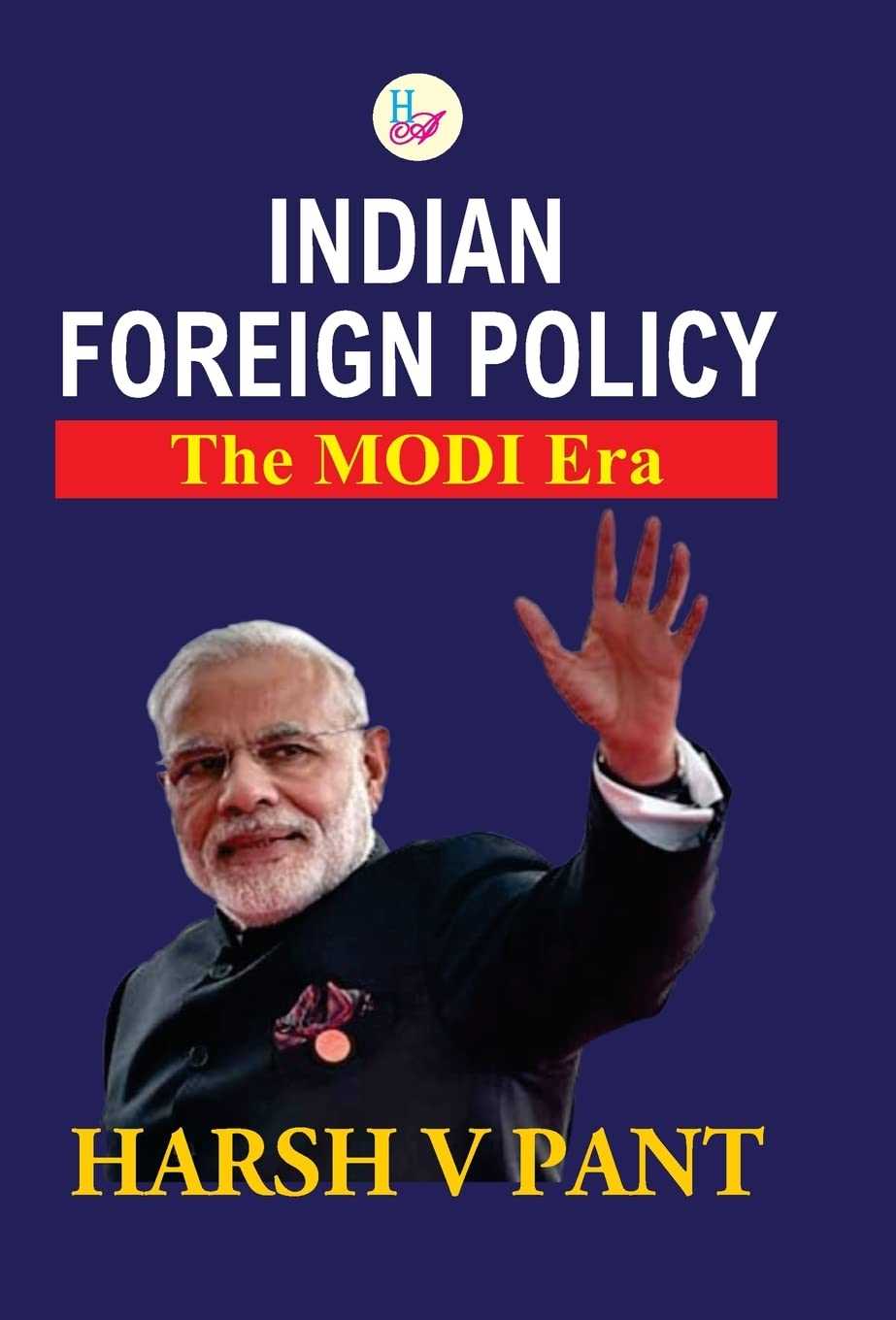
On 24 of May 2014 Narendra Modi took oath as 14th prime minister of India and since then country’s foreign policy has dramatically changed and undergone visible transformation under his leadership it became more active and leader oriented in both substance and style. While the core national interests and strategic autonomy remained safeguarded the outreach approach has become more assertive and leader driven. PM Modi is India’s most widely travelled PM having made up to 100 international trips and visited over 80 countries as of May 2026
Under PM Modi’s leadership India saw a more bold and active global engagement. One of the most noticeable changes has been the scale of India’s diplomatic outreach. Prime Minister Modi has personally engaged with a large number of world leaders and undertaken extensive foreign visits across Asia, Europe, the Middle East, Africa, and the Americas. This high level of personal diplomacy has helped India build faster and more visible connections with major powers as well as smaller nations. India’s foreign policy has moved away from a relatively cautious posture to a more proactive and visible global role. The objective has been to project India as a rising power that is willing to contribute to global stability, economic growth, and security cooperation. PM Modi is most widely-travelled PM with almost 100 international trips and close to 80 visits to different countries.
PM Modi’s embraced neighbourhood policy. As soon as he assumed office he made his first visit to Bhutan his subsequent visits included Pakistan as well, the PM also invited all SAARC heads to his oath taking ceremony signalling India's priority for regional cooperation, strengthening ties with neighbours promoting neighbour first policy. Over the years, Modi made several visits to neighbouring countries, strengthening ties and mutual cooperation. Under his prime ministership, India heavily invested in neighbouring nations such as Afghanistan, Bangladesh, Sri Lanka, Nepal, and Bhutan, focusing on connectivity, infrastructure, development, and regional stability.
As far as East Asia is concerned, India’s “Look East” policy was rebranded and strengthened as the “Act East” policy under Modi. This marked a shift from passive engagement to active involvement in Southeast and East Asia. India deepened ties with countries such as Japan, Vietnam, Indonesia, Singapore, and South Korea.
A major strategic development has been India’s growing focus on the Indo Pacific region. India emerged as an important member of the Quad grouping alongside the United States, Japan, and Australia. This reflects India’s commitment to maintaining a free, open, and rules-based Indo Pacific region.
As far as relations with global powers are concerned, India under PM Modi strengthened ties with both the United States and Russia while maintaining its policy of strategic autonomy. Relations with the United States expanded in areas such as defence, technology, trade, and counterterrorism cooperation, making the partnership one of the most important strategic relationships for India. At the same time, India continued its long-standing ties with Russia, particularly in defence, energy, and strategic cooperation. Despite changing global dynamics, Modi maintained balanced relations with both powers, ensuring that India’s national interests remained the top priority. India has also renewed and strengthened its ties with Europe, Oceania, Africa, North America, and other parts of the world. Through active diplomacy and strategic engagement, India expanded its global partnerships and increased its influence in international affairs.
These efforts and foreign policy initiatives have yielded significant results. Several agreements and MoUs have been signed with Gulf states on energy security, trade, investment, and strategic cooperation. India also signed major economic and trade agreements with European countries, including the India UK CETA deal aimed at significantly boosting bilateral trade by 2030. India further strengthened cooperation with Canada in areas such as uranium supply and energy security. At the same time, India signed important defence deals with countries like the United States, Russia, and France, while also promoting indigenous defence production under the vision of self-reliance and modernization.
India also became a member of the Shanghai Cooperation Organisation under Modi, while the Quad grouping witnessed a strong revival during his tenure. India under Modi became more active in global institutions such as the United Nations, G20, BRICS, and the Shanghai Cooperation Organisation.
A significant milestone was India hosting the G20 Summit in 2023, which projected India as a global agenda setter on issues such as climate change, digital governance, economic growth, and sustainable development.
India also attracted billions in investments over the past years and setting up of MNCs, creating jobs and boosting economic growth, largely owing to these foreign visits and a robust foreign policy approach. Modi’s diplomatic outreach helped improve investor confidence and strengthened India’s image as an emerging global economic power.
Modi also received several prestigious international honours, including the UAE’s highest civilian award, as well as honours from countries like Saudi Arabia, France, Egypt, and the United States, reflecting India’s rising importance and growing prominence on the global diplomatic stage. Narendra Modi has been elected Prime Minister of India three times, reflecting the strong public support and trust he has received from a large section of the Indian electorate over the years.
If reports are to be believed, India closely pushed for Pakistan’s inclusion on the FATF grey list, and Pakistan subsequently remained on the list for around four years. This reflects India’s increasing influence in shaping discussions within key multilateral financial institutions on issues related to terrorism financing and regional security concerns. It also highlights India’s growing importance and weight at the global diplomatic table.
Having said all this, with the changing world order and global dynamics, it has become increasingly difficult for any country to remain neutral and avoid taking sides. However, under Modi, India has maintained its strategic autonomy and carefully balanced its relationships with major global powers. India has consistently prioritized its national interests and focused on crafting a foreign policy that serves the needs of its people. The approach has been to engage with all major powers while ensuring that India’s sovereignty, security, and economic interests remain central. This signals that Indian foreign policy remains insulated from external pressures and influences and is independent, with the primary aim of serving India’s national interests in the best possible way.
While the world is often seen as picking sides in global diplomacy, India, on the other hand, follows a path that aligns with its own strategic needs and national interests without formally aligning with any bloc. This approach highlights the growing influence of India on the global stage and the independence of its foreign policy outlook. It reflects a silent yet strong and steady diplomatic posture, where India engages with all global and regional powers from one end of the world to the other. The focus remains on cooperation, development, and security while ensuring that India’s core interests are protected in an evolving international order.
As i write PM Modi is embarking on a 6-day, 5-nation tour from May 15–20, 2026, visiting the UAE, Netherlands, Sweden, Norway, and Italy. The trip aims to strengthen strategic partnerships, boost economic cooperation, energy security, and defence ties, including the 3rd India-Nordic Summit in Oslo.
Email:------------------------------- aizaroon@112gmail.com
Indian foreign policy under Prime Minister Narendra Modi reflects strategic autonomy in a changing world order. Without aligning with any bloc, India independently engages all major powers while safeguarding its national interests. This approach highlights India’s diplomatic maturity, growing global influence, and commitment to a balanced, interest-driven foreign policy.
On 24 of May 2014 Narendra Modi took oath as 14th prime minister of India and since then country’s foreign policy has dramatically changed and undergone visible transformation under his leadership it became more active and leader oriented in both substance and style. While the core national interests and strategic autonomy remained safeguarded the outreach approach has become more assertive and leader driven. PM Modi is India’s most widely travelled PM having made up to 100 international trips and visited over 80 countries as of May 2026
Under PM Modi’s leadership India saw a more bold and active global engagement. One of the most noticeable changes has been the scale of India’s diplomatic outreach. Prime Minister Modi has personally engaged with a large number of world leaders and undertaken extensive foreign visits across Asia, Europe, the Middle East, Africa, and the Americas. This high level of personal diplomacy has helped India build faster and more visible connections with major powers as well as smaller nations. India’s foreign policy has moved away from a relatively cautious posture to a more proactive and visible global role. The objective has been to project India as a rising power that is willing to contribute to global stability, economic growth, and security cooperation. PM Modi is most widely-travelled PM with almost 100 international trips and close to 80 visits to different countries.
PM Modi’s embraced neighbourhood policy. As soon as he assumed office he made his first visit to Bhutan his subsequent visits included Pakistan as well, the PM also invited all SAARC heads to his oath taking ceremony signalling India's priority for regional cooperation, strengthening ties with neighbours promoting neighbour first policy. Over the years, Modi made several visits to neighbouring countries, strengthening ties and mutual cooperation. Under his prime ministership, India heavily invested in neighbouring nations such as Afghanistan, Bangladesh, Sri Lanka, Nepal, and Bhutan, focusing on connectivity, infrastructure, development, and regional stability.
As far as East Asia is concerned, India’s “Look East” policy was rebranded and strengthened as the “Act East” policy under Modi. This marked a shift from passive engagement to active involvement in Southeast and East Asia. India deepened ties with countries such as Japan, Vietnam, Indonesia, Singapore, and South Korea.
A major strategic development has been India’s growing focus on the Indo Pacific region. India emerged as an important member of the Quad grouping alongside the United States, Japan, and Australia. This reflects India’s commitment to maintaining a free, open, and rules-based Indo Pacific region.
As far as relations with global powers are concerned, India under PM Modi strengthened ties with both the United States and Russia while maintaining its policy of strategic autonomy. Relations with the United States expanded in areas such as defence, technology, trade, and counterterrorism cooperation, making the partnership one of the most important strategic relationships for India. At the same time, India continued its long-standing ties with Russia, particularly in defence, energy, and strategic cooperation. Despite changing global dynamics, Modi maintained balanced relations with both powers, ensuring that India’s national interests remained the top priority. India has also renewed and strengthened its ties with Europe, Oceania, Africa, North America, and other parts of the world. Through active diplomacy and strategic engagement, India expanded its global partnerships and increased its influence in international affairs.
These efforts and foreign policy initiatives have yielded significant results. Several agreements and MoUs have been signed with Gulf states on energy security, trade, investment, and strategic cooperation. India also signed major economic and trade agreements with European countries, including the India UK CETA deal aimed at significantly boosting bilateral trade by 2030. India further strengthened cooperation with Canada in areas such as uranium supply and energy security. At the same time, India signed important defence deals with countries like the United States, Russia, and France, while also promoting indigenous defence production under the vision of self-reliance and modernization.
India also became a member of the Shanghai Cooperation Organisation under Modi, while the Quad grouping witnessed a strong revival during his tenure. India under Modi became more active in global institutions such as the United Nations, G20, BRICS, and the Shanghai Cooperation Organisation.
A significant milestone was India hosting the G20 Summit in 2023, which projected India as a global agenda setter on issues such as climate change, digital governance, economic growth, and sustainable development.
India also attracted billions in investments over the past years and setting up of MNCs, creating jobs and boosting economic growth, largely owing to these foreign visits and a robust foreign policy approach. Modi’s diplomatic outreach helped improve investor confidence and strengthened India’s image as an emerging global economic power.
Modi also received several prestigious international honours, including the UAE’s highest civilian award, as well as honours from countries like Saudi Arabia, France, Egypt, and the United States, reflecting India’s rising importance and growing prominence on the global diplomatic stage. Narendra Modi has been elected Prime Minister of India three times, reflecting the strong public support and trust he has received from a large section of the Indian electorate over the years.
If reports are to be believed, India closely pushed for Pakistan’s inclusion on the FATF grey list, and Pakistan subsequently remained on the list for around four years. This reflects India’s increasing influence in shaping discussions within key multilateral financial institutions on issues related to terrorism financing and regional security concerns. It also highlights India’s growing importance and weight at the global diplomatic table.
Having said all this, with the changing world order and global dynamics, it has become increasingly difficult for any country to remain neutral and avoid taking sides. However, under Modi, India has maintained its strategic autonomy and carefully balanced its relationships with major global powers. India has consistently prioritized its national interests and focused on crafting a foreign policy that serves the needs of its people. The approach has been to engage with all major powers while ensuring that India’s sovereignty, security, and economic interests remain central. This signals that Indian foreign policy remains insulated from external pressures and influences and is independent, with the primary aim of serving India’s national interests in the best possible way.
While the world is often seen as picking sides in global diplomacy, India, on the other hand, follows a path that aligns with its own strategic needs and national interests without formally aligning with any bloc. This approach highlights the growing influence of India on the global stage and the independence of its foreign policy outlook. It reflects a silent yet strong and steady diplomatic posture, where India engages with all global and regional powers from one end of the world to the other. The focus remains on cooperation, development, and security while ensuring that India’s core interests are protected in an evolving international order.
As i write PM Modi is embarking on a 6-day, 5-nation tour from May 15–20, 2026, visiting the UAE, Netherlands, Sweden, Norway, and Italy. The trip aims to strengthen strategic partnerships, boost economic cooperation, energy security, and defence ties, including the 3rd India-Nordic Summit in Oslo.
Email:------------------------------- aizaroon@112gmail.com

© Copyright 2023 brighterkashmir.com All Rights Reserved. Quantum Technologies