11-16-2026     3 رجب 1440

A Free Press, A Strong Democracy

The occasion is not merely a celebration of the journalistic profession but also an opportunity to reflect upon the responsibilities, challenges and ethical obligations associated with it. In a democratic country like India, the press occupies a significant position as a medium of communication between the government and the people

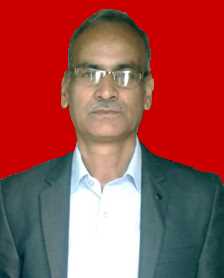
November 16, 2026 | Omkar Dattatray

A free, fearless and responsible press is indispensable for preserving democratic values, strengthening public awareness and ensuring accountability in society. National Press Day, observed every year on 16 November in India, is an important occasion to recognise the contribution of journalists and media institutions towards strengthening democracy and promoting an informed society. The day commemorates the establishment of the Press Council of India on 16 November 1966, an institution entrusted with the responsibility of preserving the freedom of the press and maintaining the standards of journalism.
The occasion is not merely a celebration of the journalistic profession but also an opportunity to reflect upon the responsibilities, challenges and ethical obligations associated with it. In a democratic country like India, the press occupies a significant position as a medium of communication between the government and the people. It informs citizens about developments taking place around them, highlights public concerns, exposes irregularities and provides a platform for debate and discussion on issues of national importance. Often described as the fourth pillar of democracy, the press plays a vital role in ensuring that the functioning of democratic institutions remains transparent and accountable.
While the legislature frames laws, the executive implements them and the judiciary safeguards constitutional principles, the press performs the important function of keeping citizens informed and questioning those in positions of authority whenever circumstances demand. The real strength of journalism lies in its ability to present facts without fear, favour or prejudice. A responsible journalist does not merely report an incident but attempts to understand its background, implications and consequences for society. Journalism, therefore, is much more than a profession; it is a public responsibility that demands honesty, courage, impartiality and a deep commitment to truth. Throughout history, newspapers and journalists have played a significant role in shaping public opinion, exposing social evils and raising awareness about injustice, corruption and discrimination. Their contribution becomes particularly important during difficult circumstances when ordinary citizens look towards the media for reliable information and guidance.
However, the nature of journalism has undergone a remarkable transformation with the emergence of digital technology and social media platforms. News that once took hours or days to reach people is now available within seconds. Digital journalism has expanded the reach of information and provided opportunities to individuals and organisations that were previously outside the traditional media framework. At the same time, this rapid expansion has created new challenges for the profession. The increasing circulation of fake news, misleading information, manipulated photographs and unverified reports has raised serious concerns about the credibility of public communication. In the race to become the first to break a story, certain media platforms sometimes compromise accuracy and verification. Sensationalism, excessive commercialisation and the influence of vested interests can also undermine the fundamental principles of journalism. Such tendencies weaken public confidence and diminish the credibility of media institutions. In this changing environment, the importance of ethical journalism cannot be overstated. Accuracy, fairness, objectivity and verification must remain the guiding principles of every journalist.
The media should distinguish between facts and opinions and ensure that allegations are not presented as established truths. The dignity, privacy and reputation of individuals must also be respected while reporting sensitive matters. Freedom of the press is undoubtedly a fundamental requirement of a healthy democracy, but this freedom must be accompanied by responsibility and professional accountability. A free press should be fearless in questioning authority, yet cautious enough to avoid spreading misinformation or creating unnecessary social divisions.
Its primary allegiance must remain with truth and the larger public interest rather than political affiliations, commercial considerations or personal preferences. The role of regional and local journalism deserves special appreciation in this context. Local newspapers and journalists often bring attention to issues that remain unnoticed by national media organisations. Problems concerning roads, drinking water, electricity, healthcare, education, unemployment and administrative accountability directly affect ordinary citizens. By highlighting such concerns, local journalists provide an important service to communities and help authorities understand the difficulties faced by people at the grassroots level.
In regions like Jammu and Kashmir, the role of the press assumes additional significance because of the region's geographical, social, cultural and economic diversity. Journalists have an important responsibility to report developments with sensitivity, accuracy and balance while promoting peace, mutual understanding and social harmony. They can help bring communities closer by highlighting shared concerns, cultural traditions, human achievements and constructive initiatives. At the same time, journalists often work under challenging circumstances, facing professional pressures, limited resources and difficulties in accessing information. Their dedication and perseverance deserve recognition and institutional support. Press Day is also an occasion to acknowledge the contributions of reporters, editors, photographers, columnists, newspaper vendors and all those associated with the media industry.
Their collective efforts ensure that information reaches readers and that important public issues receive the attention they deserve. The changing media environment also calls for greater media literacy among citizens. People must develop the habit of checking the authenticity of information before believing or sharing it. Educational institutions and civil society organisations can play an important role in creating awareness about responsible digital communication and the dangers of misinformation. Looking towards the future, journalism must adapt to technological advancements without compromising its fundamental values. Artificial intelligence, digital publishing and new communication platforms may change the methods of gathering and distributing information, but they cannot replace human judgement, professional integrity and the moral responsibility of a journalist. Technology should strengthen journalism rather than weaken its credibility. As India observes National Press Day, there is a need to reaffirm our commitment to protecting press freedom, encouraging independent journalism and upholding the highest standards of professional ethics.
The media must remain a voice for the voiceless, a watchdog against injustice and a reliable source of information for society. A vibrant democracy requires journalists who are courageous enough to ask difficult questions, responsible enough to verify their facts and independent enough to resist undue influence. Ultimately, the credibility of the press depends not on the volume of information it publishes but on the trust it earns from the public. National Press Day reminds us that journalism is not simply about reporting events; it is about preserving truth, promoting accountability and strengthening the foundations of democracy. A free press is the conscience of a democratic society, and its greatest strength lies in its unwavering commitment to truth, justice and the public good.


Email:-------------------onkoul2019@gmail.com

A Free Press, A Strong Democracy

The occasion is not merely a celebration of the journalistic profession but also an opportunity to reflect upon the responsibilities, challenges and ethical obligations associated with it. In a democratic country like India, the press occupies a significant position as a medium of communication between the government and the people

November 16, 2026 | Omkar Dattatray

A free, fearless and responsible press is indispensable for preserving democratic values, strengthening public awareness and ensuring accountability in society. National Press Day, observed every year on 16 November in India, is an important occasion to recognise the contribution of journalists and media institutions towards strengthening democracy and promoting an informed society. The day commemorates the establishment of the Press Council of India on 16 November 1966, an institution entrusted with the responsibility of preserving the freedom of the press and maintaining the standards of journalism.
The occasion is not merely a celebration of the journalistic profession but also an opportunity to reflect upon the responsibilities, challenges and ethical obligations associated with it. In a democratic country like India, the press occupies a significant position as a medium of communication between the government and the people. It informs citizens about developments taking place around them, highlights public concerns, exposes irregularities and provides a platform for debate and discussion on issues of national importance. Often described as the fourth pillar of democracy, the press plays a vital role in ensuring that the functioning of democratic institutions remains transparent and accountable.
While the legislature frames laws, the executive implements them and the judiciary safeguards constitutional principles, the press performs the important function of keeping citizens informed and questioning those in positions of authority whenever circumstances demand. The real strength of journalism lies in its ability to present facts without fear, favour or prejudice. A responsible journalist does not merely report an incident but attempts to understand its background, implications and consequences for society. Journalism, therefore, is much more than a profession; it is a public responsibility that demands honesty, courage, impartiality and a deep commitment to truth. Throughout history, newspapers and journalists have played a significant role in shaping public opinion, exposing social evils and raising awareness about injustice, corruption and discrimination. Their contribution becomes particularly important during difficult circumstances when ordinary citizens look towards the media for reliable information and guidance.
However, the nature of journalism has undergone a remarkable transformation with the emergence of digital technology and social media platforms. News that once took hours or days to reach people is now available within seconds. Digital journalism has expanded the reach of information and provided opportunities to individuals and organisations that were previously outside the traditional media framework. At the same time, this rapid expansion has created new challenges for the profession. The increasing circulation of fake news, misleading information, manipulated photographs and unverified reports has raised serious concerns about the credibility of public communication. In the race to become the first to break a story, certain media platforms sometimes compromise accuracy and verification. Sensationalism, excessive commercialisation and the influence of vested interests can also undermine the fundamental principles of journalism. Such tendencies weaken public confidence and diminish the credibility of media institutions. In this changing environment, the importance of ethical journalism cannot be overstated. Accuracy, fairness, objectivity and verification must remain the guiding principles of every journalist.
The media should distinguish between facts and opinions and ensure that allegations are not presented as established truths. The dignity, privacy and reputation of individuals must also be respected while reporting sensitive matters. Freedom of the press is undoubtedly a fundamental requirement of a healthy democracy, but this freedom must be accompanied by responsibility and professional accountability. A free press should be fearless in questioning authority, yet cautious enough to avoid spreading misinformation or creating unnecessary social divisions.
Its primary allegiance must remain with truth and the larger public interest rather than political affiliations, commercial considerations or personal preferences. The role of regional and local journalism deserves special appreciation in this context. Local newspapers and journalists often bring attention to issues that remain unnoticed by national media organisations. Problems concerning roads, drinking water, electricity, healthcare, education, unemployment and administrative accountability directly affect ordinary citizens. By highlighting such concerns, local journalists provide an important service to communities and help authorities understand the difficulties faced by people at the grassroots level.
In regions like Jammu and Kashmir, the role of the press assumes additional significance because of the region's geographical, social, cultural and economic diversity. Journalists have an important responsibility to report developments with sensitivity, accuracy and balance while promoting peace, mutual understanding and social harmony. They can help bring communities closer by highlighting shared concerns, cultural traditions, human achievements and constructive initiatives. At the same time, journalists often work under challenging circumstances, facing professional pressures, limited resources and difficulties in accessing information. Their dedication and perseverance deserve recognition and institutional support. Press Day is also an occasion to acknowledge the contributions of reporters, editors, photographers, columnists, newspaper vendors and all those associated with the media industry.
Their collective efforts ensure that information reaches readers and that important public issues receive the attention they deserve. The changing media environment also calls for greater media literacy among citizens. People must develop the habit of checking the authenticity of information before believing or sharing it. Educational institutions and civil society organisations can play an important role in creating awareness about responsible digital communication and the dangers of misinformation. Looking towards the future, journalism must adapt to technological advancements without compromising its fundamental values. Artificial intelligence, digital publishing and new communication platforms may change the methods of gathering and distributing information, but they cannot replace human judgement, professional integrity and the moral responsibility of a journalist. Technology should strengthen journalism rather than weaken its credibility. As India observes National Press Day, there is a need to reaffirm our commitment to protecting press freedom, encouraging independent journalism and upholding the highest standards of professional ethics.
The media must remain a voice for the voiceless, a watchdog against injustice and a reliable source of information for society. A vibrant democracy requires journalists who are courageous enough to ask difficult questions, responsible enough to verify their facts and independent enough to resist undue influence. Ultimately, the credibility of the press depends not on the volume of information it publishes but on the trust it earns from the public. National Press Day reminds us that journalism is not simply about reporting events; it is about preserving truth, promoting accountability and strengthening the foundations of democracy. A free press is the conscience of a democratic society, and its greatest strength lies in its unwavering commitment to truth, justice and the public good.


Email:-------------------onkoul2019@gmail.com

  • Address: R.C 2 Quarters Press Enclave Near Pratap Park, Srinagar 190001.
  • Phone: 0194-2451076 , +91-941-940-0056 , +91-962-292-4716
  • Email: brighterkmr@gmail.com
Owner, Printer, Publisher, Editor: Farooq Ahmad Wani
Legal Advisor: M.J. Hubi
Printed at: Sangermal offset Printing Press Rangreth ( Budgam)
Published from: Gulshanabad Chraresharief Budgam
RNI No.: JKENG/2010/33802
Office No’s: 0194-2451076
Mobile No’s 9419400056, 9622924716 ,7006086442
Postal Regd No: SK/135/2010-2019
POST BOX NO: 1001
Administrative Office: R.C 2 Quarters Press Enclave Near Pratap Park ( Srinagar -190001)

© Copyright 2023 brighterkashmir.com All Rights Reserved. Quantum Technologies

Owner, Printer, Publisher, Editor: Farooq Ahmad Wani
Legal Advisor: M.J. Hubi
Printed at: Abid Enterprizes, Zainkote Srinagar
Published from: Gulshanabad Chraresharief Budgam
RNI No.: JKENG/2010/33802
Office No’s: 0194-2451076, 9622924716 , 9419400056
Postal Regd No: SK/135/2010-2019
Administrative Office: Abi Guzer Srinagar

© Copyright 2018 brighterkashmir.com All Rights Reserved.