
BREAKING NEWS
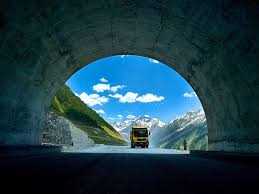
The breakthrough of the Zojila Tunnel marks far more than a civil engineering milestone; it signals a historic shift in India’s approach to high-altitude connectivity, strategic preparedness, and regional integration. Once completed, the tunnel will provide all-weather connectivity between Srinagar and Leh, transforming a route that currently remains shut for nearly six months each year due to heavy snowfall and extreme weather. For decades, Ladakh’s isolation during winter months has shaped its economy, limited access to essential supplies, and constrained opportunities for tourism and trade. The strategic Zojila Pass, perched at over 11,500 feet, has long been both a lifeline and a bottleneck. The tunnel effectively replaces dependence on this unpredictable mountain pass with a stable, year-round corridor, fundamentally altering the region’s development trajectory. The implications are wide-ranging. Economically, uninterrupted connectivity will strengthen supply chains, reduce transport costs, and stabilize prices of essential commodities in Ladakh. Tourism, which has emerged as a key livelihood source, will no longer be confined to a short seasonal window. This will allow local entrepreneurs, homestay owners, and transport operators to plan year-round activity, creating more stable incomes and employment. Strategically, the tunnel carries even greater weight. Ladakh lies at a sensitive geopolitical junction, and rapid troop movement and logistics are essential for national security. The Zojila Tunnel enhances India’s defence preparedness by ensuring swift mobility irrespective of weather conditions, reinforcing operational readiness in a region where terrain and climate often dictate constraints. Beyond economics and security, the project represents a broader vision of integration. Infrastructure in difficult terrain is not merely about engineering triumphs but about bridging physical and developmental divides. By connecting remote regions more reliably to the rest of the country, such projects strengthen national cohesion and ensure that geography does not dictate opportunity. However, the success of such infrastructure must also be measured by its environmental sensitivity and long-term sustainability. Fragile Himalayan ecosystems demand careful monitoring, regulated construction practices, and continuous ecological assessment to ensure that development does not come at the cost of environmental degradation. The Zojila Tunnel breakthrough, therefore, is not just the end of a construction phase but the beginning of a new developmental chapter for Ladakh. It embodies ambition, resilience, and strategic foresight. Once operational, it will stand as a symbol of how engineering can reshape geography—and how connectivity can redefine the destiny of an entire region.
The breakthrough of the Zojila Tunnel marks far more than a civil engineering milestone; it signals a historic shift in India’s approach to high-altitude connectivity, strategic preparedness, and regional integration. Once completed, the tunnel will provide all-weather connectivity between Srinagar and Leh, transforming a route that currently remains shut for nearly six months each year due to heavy snowfall and extreme weather. For decades, Ladakh’s isolation during winter months has shaped its economy, limited access to essential supplies, and constrained opportunities for tourism and trade. The strategic Zojila Pass, perched at over 11,500 feet, has long been both a lifeline and a bottleneck. The tunnel effectively replaces dependence on this unpredictable mountain pass with a stable, year-round corridor, fundamentally altering the region’s development trajectory. The implications are wide-ranging. Economically, uninterrupted connectivity will strengthen supply chains, reduce transport costs, and stabilize prices of essential commodities in Ladakh. Tourism, which has emerged as a key livelihood source, will no longer be confined to a short seasonal window. This will allow local entrepreneurs, homestay owners, and transport operators to plan year-round activity, creating more stable incomes and employment. Strategically, the tunnel carries even greater weight. Ladakh lies at a sensitive geopolitical junction, and rapid troop movement and logistics are essential for national security. The Zojila Tunnel enhances India’s defence preparedness by ensuring swift mobility irrespective of weather conditions, reinforcing operational readiness in a region where terrain and climate often dictate constraints. Beyond economics and security, the project represents a broader vision of integration. Infrastructure in difficult terrain is not merely about engineering triumphs but about bridging physical and developmental divides. By connecting remote regions more reliably to the rest of the country, such projects strengthen national cohesion and ensure that geography does not dictate opportunity. However, the success of such infrastructure must also be measured by its environmental sensitivity and long-term sustainability. Fragile Himalayan ecosystems demand careful monitoring, regulated construction practices, and continuous ecological assessment to ensure that development does not come at the cost of environmental degradation. The Zojila Tunnel breakthrough, therefore, is not just the end of a construction phase but the beginning of a new developmental chapter for Ladakh. It embodies ambition, resilience, and strategic foresight. Once operational, it will stand as a symbol of how engineering can reshape geography—and how connectivity can redefine the destiny of an entire region.

© Copyright 2023 brighterkashmir.com All Rights Reserved. Quantum Technologies