In practical terms high glycaemic foods raise insulin and IGF-1 which increase oil production and clog pores, dairy particularly skim milk is linked to acne through naturally occurring hormonal components and an imbalanced gut may drive the inflammation that surfaces as breakouts. Diets richer in fibre fruits and vegetables are consistently associated with calmer skin
Acne responds to more than what you put on your face, increasingly science points to what you put on your plate.
Almost every household in Kashmir has heard some version of this advice: what you eat shows on your skin. For years this was dismissed by modern dermatology as folk wisdom rather than fact. Acne was treated as a topical problem excess oil clogged pores bacteria managed with creams and tablets, diet left largely out of the conversation. That is changing. A growing body of research now shows that our grandmothers weren’t entirely wrong, what happens in the gut does show up on the face.
The honest answer based on current evidence is a qualified yes. Diet and gut health genuinely influence acne but they work alongside proper treatment not instead of it.
The gut-skin axis: what the science shows
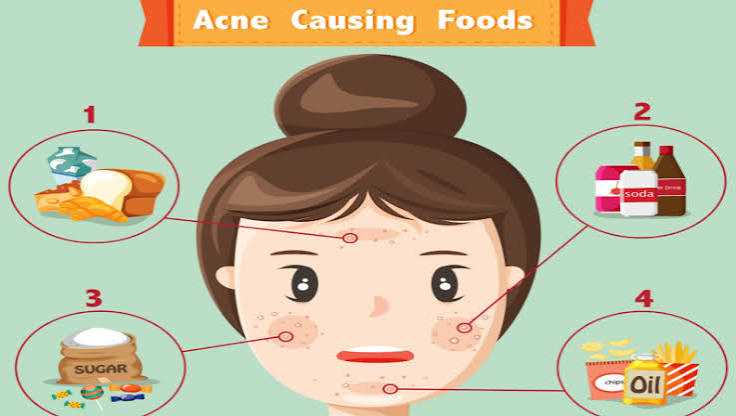
The gut and skin communicate through what researchers call the gut-skin axis, a two-way relationship carried largely by the immune system and inflammatory signalling. A systematic review on diet and acne in JAAD International (2022) found consistent links between certain dietary patterns and acne severity noting that foods with a high glycaemic index or load dairy products fatty foods and chocolate promote acne lesions while fruits and vegetables appear protective. Newer research in Dermatology Practical & Conceptual (2025) examined gut-microbiota markers in acne patients versus healthy controls adding evidence that gut imbalance may contribute to acne through systemic inflammation.
In practical terms high glycaemic foods raise insulin and IGF-1 which increase oil production and clog pores, dairy particularly skim milk is linked to acne through naturally occurring hormonal components and an imbalanced gut may drive the inflammation that surfaces as breakouts. Diets richer in fibre fruits and vegetables are consistently associated with calmer skin.
Where this hit close to home: our own diet
This is worth sitting with honestly because much of what the research flags maps closely onto our everyday plate. Maida based roti and bakery items a staple in most Kashmiri kitchens are refined flour foods with a high glycaemic load exactly the category linked to worse acne. Rice eaten at nearly every meal is itself high glycaemic and our portions are rarely modest. Our cooking is traditionally oil heavy particularly the mustard oil used generously in wazwan style preparation. And dairy noon chai milk and paneer are part of daily life here often in large quantities which matters given the specific dairy-acne link noted above.
None of this means giving up what we grew up eating, this food is part of who we are. But a patient with persistent acne on a fairly typical Kashmiri diet heavy in maida rice oil and dairy is without realising it combining several of the dietary factors most consistently tied to acne in the literature. Small realistic shifts more vegetables alongside the rice rather than instead of it a lighter hand with oil noticing whether dairy correlates with your own flare ups go further than people expect without asking anyone to abandon their kitchen.
Two overlooked habits: touching the face and facial massage.
Beyond diet two everyday habits deserve more attention than they usually get.
Touching the face happens far more than most people realise. Studies measuring spontaneous self-touch found people touch their faces several hundred times a day the forehead nose and chin most of all. Hands carry bacteria and surface contaminants picked up all day and repeated friction on the same spot can itself trigger a distinct pattern of breakouts known as acne mechanica. This was seen clearly during the pandemic when prolonged mask use caused a rise in acne along the cheeks nose and chin “maskne” attributed partly to occlusion partly to the repeated touching and adjusting of the mask encouraged. The lesson extends well beyond masks resting the chin on a hand or holding a phone to the cheek through long calls is a small correctable habit that keeps skin irritated in that same pattern.
Facial massage common in salons across Srinagar is more nuanced. Gentle massage with clean hands and proper products can support circulation without harming the skin. But massage done with heavy occlusive creams or poor hygiene not uncommon in some parlour settings has been linked to a distinct inflammatory eruption. A dermatology case series (Khanna N Datta Gupta S. “Acneiform eruptions after facial beauty treatment”) documented patients developing deep inflammatory nodular lesions on the cheeks chin and forehead beginning as early as their very first massage session often leaving dark marks behind that took a long time to fade. The likely cause occlusive creams and manual pressure pushing sebum deeper into the follicle rather than clearing it out. For acne-prone skin the product and the hands doing the massage matter as much as the massage itself.
A Word of Caution
Acne is never caused by one thing alone, genetics hormones stress and skincare habits all play their part alongside diet and it would be misleading to suggest otherwise. Cutting out entire food groups without medical guidance can leave nutritional gaps without meaningfully clearing the skin. Any real dietary change is best made alongside a proper evaluation of the skin itself not in place of one. In simple terms diet doesn’t replace treatment but it helps it work better. And sometimes what our hands are doing to our face matters just as much as what’s on our plate.
Email:--------------------dr.mirwaleed@gmail.com

In practical terms high glycaemic foods raise insulin and IGF-1 which increase oil production and clog pores, dairy particularly skim milk is linked to acne through naturally occurring hormonal components and an imbalanced gut may drive the inflammation that surfaces as breakouts. Diets richer in fibre fruits and vegetables are consistently associated with calmer skin
Acne responds to more than what you put on your face, increasingly science points to what you put on your plate.
Almost every household in Kashmir has heard some version of this advice: what you eat shows on your skin. For years this was dismissed by modern dermatology as folk wisdom rather than fact. Acne was treated as a topical problem excess oil clogged pores bacteria managed with creams and tablets, diet left largely out of the conversation. That is changing. A growing body of research now shows that our grandmothers weren’t entirely wrong, what happens in the gut does show up on the face.
The honest answer based on current evidence is a qualified yes. Diet and gut health genuinely influence acne but they work alongside proper treatment not instead of it.
The gut-skin axis: what the science shows
The gut and skin communicate through what researchers call the gut-skin axis, a two-way relationship carried largely by the immune system and inflammatory signalling. A systematic review on diet and acne in JAAD International (2022) found consistent links between certain dietary patterns and acne severity noting that foods with a high glycaemic index or load dairy products fatty foods and chocolate promote acne lesions while fruits and vegetables appear protective. Newer research in Dermatology Practical & Conceptual (2025) examined gut-microbiota markers in acne patients versus healthy controls adding evidence that gut imbalance may contribute to acne through systemic inflammation.
In practical terms high glycaemic foods raise insulin and IGF-1 which increase oil production and clog pores, dairy particularly skim milk is linked to acne through naturally occurring hormonal components and an imbalanced gut may drive the inflammation that surfaces as breakouts. Diets richer in fibre fruits and vegetables are consistently associated with calmer skin.
Where this hit close to home: our own diet
This is worth sitting with honestly because much of what the research flags maps closely onto our everyday plate. Maida based roti and bakery items a staple in most Kashmiri kitchens are refined flour foods with a high glycaemic load exactly the category linked to worse acne. Rice eaten at nearly every meal is itself high glycaemic and our portions are rarely modest. Our cooking is traditionally oil heavy particularly the mustard oil used generously in wazwan style preparation. And dairy noon chai milk and paneer are part of daily life here often in large quantities which matters given the specific dairy-acne link noted above.
None of this means giving up what we grew up eating, this food is part of who we are. But a patient with persistent acne on a fairly typical Kashmiri diet heavy in maida rice oil and dairy is without realising it combining several of the dietary factors most consistently tied to acne in the literature. Small realistic shifts more vegetables alongside the rice rather than instead of it a lighter hand with oil noticing whether dairy correlates with your own flare ups go further than people expect without asking anyone to abandon their kitchen.
Two overlooked habits: touching the face and facial massage.
Beyond diet two everyday habits deserve more attention than they usually get.
Touching the face happens far more than most people realise. Studies measuring spontaneous self-touch found people touch their faces several hundred times a day the forehead nose and chin most of all. Hands carry bacteria and surface contaminants picked up all day and repeated friction on the same spot can itself trigger a distinct pattern of breakouts known as acne mechanica. This was seen clearly during the pandemic when prolonged mask use caused a rise in acne along the cheeks nose and chin “maskne” attributed partly to occlusion partly to the repeated touching and adjusting of the mask encouraged. The lesson extends well beyond masks resting the chin on a hand or holding a phone to the cheek through long calls is a small correctable habit that keeps skin irritated in that same pattern.
Facial massage common in salons across Srinagar is more nuanced. Gentle massage with clean hands and proper products can support circulation without harming the skin. But massage done with heavy occlusive creams or poor hygiene not uncommon in some parlour settings has been linked to a distinct inflammatory eruption. A dermatology case series (Khanna N Datta Gupta S. “Acneiform eruptions after facial beauty treatment”) documented patients developing deep inflammatory nodular lesions on the cheeks chin and forehead beginning as early as their very first massage session often leaving dark marks behind that took a long time to fade. The likely cause occlusive creams and manual pressure pushing sebum deeper into the follicle rather than clearing it out. For acne-prone skin the product and the hands doing the massage matter as much as the massage itself.
A Word of Caution
Acne is never caused by one thing alone, genetics hormones stress and skincare habits all play their part alongside diet and it would be misleading to suggest otherwise. Cutting out entire food groups without medical guidance can leave nutritional gaps without meaningfully clearing the skin. Any real dietary change is best made alongside a proper evaluation of the skin itself not in place of one. In simple terms diet doesn’t replace treatment but it helps it work better. And sometimes what our hands are doing to our face matters just as much as what’s on our plate.
Email:--------------------dr.mirwaleed@gmail.com
© Copyright 2023 brighterkashmir.com All Rights Reserved. Quantum Technologies