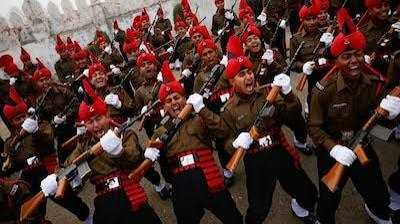
The decision to extend the service tenure of Agniveers by two years and offer them a better opportunity to secure permanent positions in the armed forces could mark an important shift in India's military recruitment policy. It recognises a growing concern: young men and women who join the armed forces under the Agnipath scheme need greater career certainty, stability and a meaningful path forward. The Agnipath scheme was introduced to create a younger, fitter and more technologically prepared military. It brought a new recruitment model, under which Agniveers serve for four years, with up to 25 per cent eligible for retention in regular service, subject to organisational requirements and performance. While the scheme promised discipline, skills and employment opportunities, questions persisted over the future of those released after four years. An additional two years could provide Agniveers more time to develop military skills, gain operational experience and demonstrate their capabilities. It may also help the armed forces assess personnel more comprehensively before making retention decisions. For recruits, the prospect of a longer tenure offers breathing space and a greater opportunity to build a career in uniform. However, extending service alone cannot resolve every concern. The government must ensure that the revised arrangements are transparent, merit-based and clearly communicated. Selection for permanent service should follow objective criteria, with no ambiguity about eligibility, performance assessment or vacancies. Every Agniveer deserves a fair opportunity, regardless of background or place of recruitment. Equally important is the future of those who are not retained. Military training instils discipline, teamwork, leadership, technical competence and a strong sense of responsibility. These qualities are valuable beyond the armed forces. Government departments, public-sector undertakings and private employers should create meaningful pathways for trained Agniveers instead of treating their service as a temporary employment episode. For families, particularly in rural and border areas, military service carries immense social and economic significance. Greater tenure and improved retention prospects could strengthen confidence in the recruitment system and attract capable young people to the armed forces. Yet, the reform must balance the aspirations of recruits with the armed forces' operational requirements. A younger force is important, but so are experience, institutional knowledge and continuity. Recruitment policy should strengthen all three. Ultimately, the success of the revised arrangement will depend not on announcements but on implementation. Agniveers have chosen a demanding path in the service of the nation. They deserve a recruitment framework that values their commitment, rewards merit and provides dignity beyond their years in uniform. A stronger Agnipath must offer not merely a shorter route into military service, but a fairer pathway towards a secure future.

© Copyright 2023 brighterkashmir.com All Rights Reserved. Quantum Technologies