
BREAKING NEWS
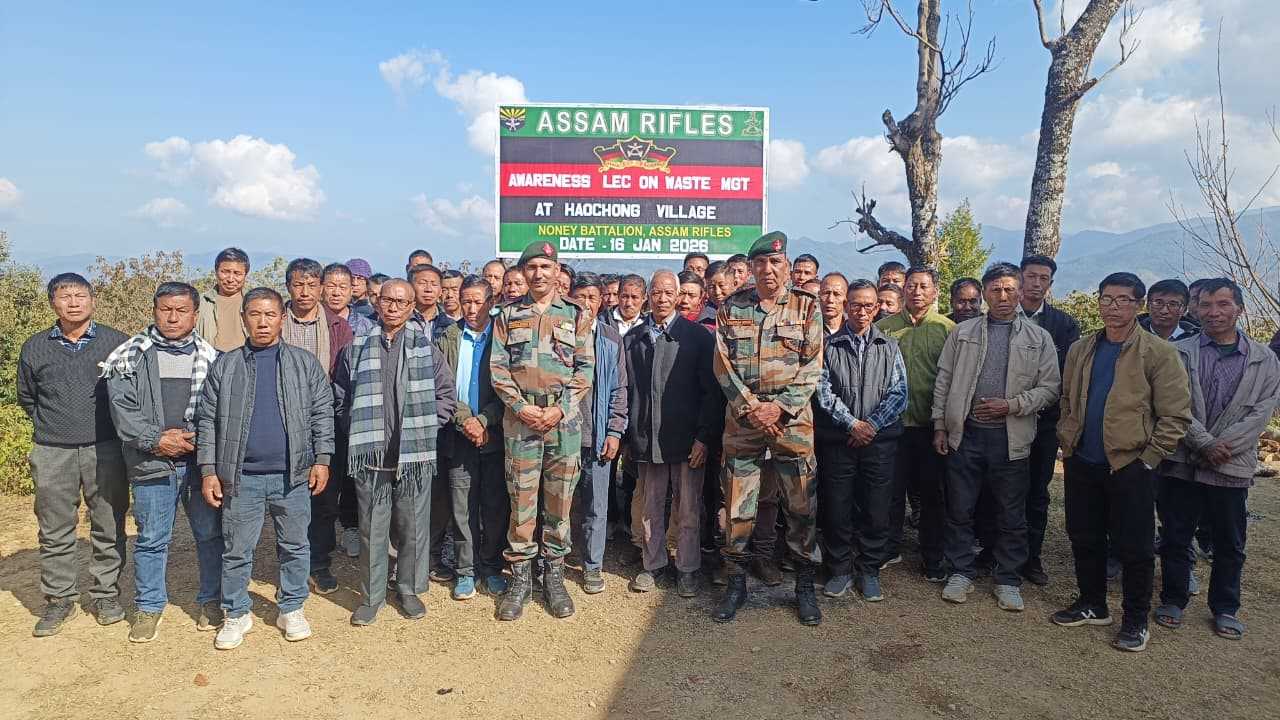
Imphal, Jan 18: Assam Rifles, one of the oldest paramilitary forces of India, conducted an important awareness lecture on "Waste Management" at Haochong Village in Manipur. The initiative, aimed at educating the villagers on the importance of proper waste management practices, is part of a larger effort to promote a cleaner and healthier environment across the region.
In many rural areas of India, waste management practices are often overlooked, resulting in significant environmental challenges. Improper disposal of waste, especially plastic and organic matter, can lead to pollution, contamination of water resources, and an increase in disease outbreaks. Recognizing the pressing need for awareness, Assam Rifles took a step forward to address this issue in Haochong Village, a small but vibrant community in Manipur, located in the northeastern part of India.
The lecture, which was conducted by experts from Assam Rifles, covered several key aspects of waste management:
Waste Segregation: The villagers were educated on the importance of segregating waste at the source. They were shown how to divide waste into categories such as biodegradable, recyclable, and non-recyclable. This simple yet effective practice can prevent the mixing of different types of waste and make recycling efforts more efficient.
how materials like plastic, paper, and glass can be recycled to create new products, thereby reducing the demand for raw materials and energy consumption.
Composting: One of the key practices emphasized during the session was composting. The villagers were taught how to compost organic waste, such as food scraps and garden waste, to produce nutrient-rich compost that can be used to improve soil quality in their farms and gardens. Composting not only reduces waste but also contributes to sustainable farming practices.
Harmful Effects of Improper Waste Disposal: The lecture also highlighted the environmental and health risks posed by improper waste disposal, such as the contamination of water sources, soil degradation, and the spread of diseases. The importance of responsible waste disposal, including the use of proper waste bins and not dumping waste in open areas, was strongly emphasized.
The awareness session was not just a lecture but an interactive and engaging activity. Villagers were encouraged to ask questions and share their own experiences with waste disposal in their community. This participatory approach helped to ensure that the message of waste management resonated with the audience, allowing them to grasp the concepts better and apply them in their daily lives.
Assam Rifles personnel also demonstrated practical waste management techniques, such as how to set up a composting pit and how to segregate waste at home. By providing hands-on learning, the session ensured that villagers were equipped with the knowledge and skills to manage their waste more effectively.
Imphal, Jan 18: Assam Rifles, one of the oldest paramilitary forces of India, conducted an important awareness lecture on "Waste Management" at Haochong Village in Manipur. The initiative, aimed at educating the villagers on the importance of proper waste management practices, is part of a larger effort to promote a cleaner and healthier environment across the region.
In many rural areas of India, waste management practices are often overlooked, resulting in significant environmental challenges. Improper disposal of waste, especially plastic and organic matter, can lead to pollution, contamination of water resources, and an increase in disease outbreaks. Recognizing the pressing need for awareness, Assam Rifles took a step forward to address this issue in Haochong Village, a small but vibrant community in Manipur, located in the northeastern part of India.
The lecture, which was conducted by experts from Assam Rifles, covered several key aspects of waste management:
Waste Segregation: The villagers were educated on the importance of segregating waste at the source. They were shown how to divide waste into categories such as biodegradable, recyclable, and non-recyclable. This simple yet effective practice can prevent the mixing of different types of waste and make recycling efforts more efficient.
how materials like plastic, paper, and glass can be recycled to create new products, thereby reducing the demand for raw materials and energy consumption.
Composting: One of the key practices emphasized during the session was composting. The villagers were taught how to compost organic waste, such as food scraps and garden waste, to produce nutrient-rich compost that can be used to improve soil quality in their farms and gardens. Composting not only reduces waste but also contributes to sustainable farming practices.
Harmful Effects of Improper Waste Disposal: The lecture also highlighted the environmental and health risks posed by improper waste disposal, such as the contamination of water sources, soil degradation, and the spread of diseases. The importance of responsible waste disposal, including the use of proper waste bins and not dumping waste in open areas, was strongly emphasized.
The awareness session was not just a lecture but an interactive and engaging activity. Villagers were encouraged to ask questions and share their own experiences with waste disposal in their community. This participatory approach helped to ensure that the message of waste management resonated with the audience, allowing them to grasp the concepts better and apply them in their daily lives.
Assam Rifles personnel also demonstrated practical waste management techniques, such as how to set up a composting pit and how to segregate waste at home. By providing hands-on learning, the session ensured that villagers were equipped with the knowledge and skills to manage their waste more effectively.

© Copyright 2023 brighterkashmir.com All Rights Reserved. Quantum Technologies