
BREAKING NEWS
Teachers influence not only what students learn but also how they see themselves as learners. A supportive teacher can build confidence, spark curiosity, and help students recognise their potential. Institutions should look beyond exam results and encourage critical thinking, creativity, communication, teamwork, and practical learning
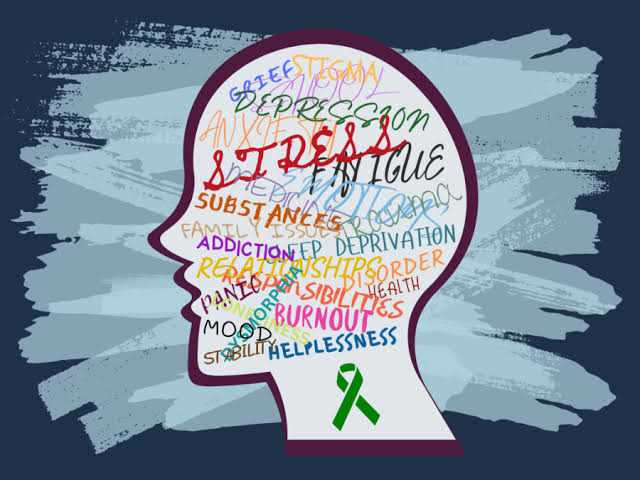
Education is often described as the key to success, a path that opens doors to opportunities and helps individuals build a better future. Every student enters the world of education with hopes, dreams, and expectations. However, behind the achievements, examination results, and academic competition, many students experience a silent struggle that often goes unnoticed. In today's society, students are expected to perform well in examinations, meet family expectations, compete with their peers, and prepare for a successful career. While these expectations can encourage students to work hard, excessive pressure can also affect their confidence, relationships, and overall well-being. The real purpose of education is not simply to produce high marks or successful careers. It is to develop thoughtful, responsible, and confident individuals. Therefore, it is important to understand the challenges students face and create an environment in which learning becomes a source of growth rather than constant fear.
The Burden of Expectations
Expectations are a natural part of student life. Parents hope their children will succeed, teachers push for improvement, and students have their own dreams. The problem begins when expectations become so demanding that anything short of perfection feels like failure. A student who has worked sincerely but earned average marks may feel disappointed despite real effort. Another may avoid a subject they love for fear of letting the family down. When success is defined only by marks, students come to believe their worth depends entirely on academic performance, and they struggle to see their own progress. The authors say expectations should inspire improvement, not fear of mistakes, and that differences in ability, interest, and learning pace deserve respect.
The Pressure of Competition
Students constantly compare marks, skills, and future plans with classmates. Healthy competition can motivate, but excessive comparison breeds insecurity and dissatisfaction. Students lose sight of their own strengths: someone weak in one subject may excel in communication, creativity, or leadership. Society tends to reward visible achievement over personal growth, so a student can feel unsuccessful simply because someone else appears to be doing better. The authors propose that education encourage students to learn from one another rather than treat classmates as rivals, and to focus on overcoming their own difficulties and becoming better versions of themselves.
The Fear of Failure
Failure is a natural part of learning, yet many students see it as something to avoid at all costs. When a single exam or assignment feels like it will decide their whole future, fear sets in. That fear stops students from asking questions, trying unfamiliar activities, or speaking in class. Some stay silent even when they need help because they worry about being judged. The authors stress that mistakes are an essential part of learning, since every difficulty reveals weaknesses and builds new skills. One poor result does not define a student's intelligence or future. A healthier attitude toward mistakes makes students more confident, independent, and willing to learn.
The Influence of Family and Society
Families strongly shape how students view education. Support and understanding build confidence and keep students motivated through hard times. But when parents focus only on marks, rankings, and future earnings, students may feel their interests and emotions are being ignored. Even well-meant advice becomes pressure if students aren't free to share their difficulties. Society adds to this by judging success through professional status, wealth, and qualifications, which suggests there is only one acceptable path to a meaningful life. The authors say parents and society should offer guidance together with understanding: listening to concerns, appreciating effort, and respecting individual goals.
The Importance of Emotional Well-Being
Academic growth matters, but so does emotional well-being. Students need rest, enjoyable activities, friendships, and interests beyond their textbooks. When study fills every moment, balance is lost and learning becomes exhausting rather than meaningful. The authors clarify that well-being does not mean avoiding hard work. It means recognising that students are human beings who need encouragement and supportive relationships. Schools can create welcoming classrooms where students feel safe discussing difficulties, and teachers can encourage participation without humiliation. Families can make home a place where students feel supported even when results disappoint. A healthy mind lets students study with more confidence and a clearer sense of purpose.
The Role of Teachers and Educational Institutions
Teachers influence not only what students learn but also how they see themselves as learners. A supportive teacher can build confidence, spark curiosity, and help students recognise their potential. Institutions should look beyond exam results and encourage critical thinking, creativity, communication, teamwork, and practical learning. Students also need places to discuss academic challenges, and career counselling and accessible support services help them make informed decisions. Because students learn differently, teachers should avoid treating everyone the same way. An effective system challenges students to improve while leaving them feeling respected, capable, and prepared for life beyond the classroom.
Finding a Healthier Path to Success
Reducing academic pressure does not mean lowering the value of education. It means adopting a more balanced idea of achievement. Students can set realistic goals, keep a manageable study routine, ask for help when needed, and value consistent effort. They can also appreciate the knowledge and skills gained along the way, not just final results. Families can praise dedication and improvement instead of comparing children with others, and teachers can present learning as a continuous journey. The authors remind readers that success has many forms. Academic qualifications are valuable, but so are kindness, responsibility, creativity, resilience, and the ability to build meaningful relationships.
A Society That Must Rethink Success
The authors argue that how a society defines success shapes how young people see themselves. If success is measured only by marks, rankings, and professional achievement, students may grow up believing their value depends on constant performance. If society instead values learning, effort, character, and personal growth, students can develop a healthier relationship with education. Schools, families, and communities share responsibility for an environment where young people can pursue their ambitions without losing confidence. Education should open minds, encourage questions, and help individuals discover their abilities. It should prepare students for life's challenges rather than teach them to fear every possible failure.
Last but not the least, behind every exam result is a student with individual dreams, fears, and abilities, and the silent struggle of modern students deserves more attention. Students need chances to succeed, but also the freedom to learn from mistakes, explore their interests, and grow at their own pace. Parents and teachers must work together so that expectations motivate rather than burden. The authors close by saying that education exists to help students become knowledgeable, confident, responsible, and compassionate people. In their words, its true measure is not only what students achieve but the people they become.
Email:---------------hussainakhter078@gmail.com

© Copyright 2023 brighterkashmir.com All Rights Reserved. Quantum Technologies