
BREAKING NEWS
The idea that every human being possesses dignity is perhaps the most powerful element of this worldview. The emphasis on there being no fundamental difference between human beings is a simple yet profound foundation for social harmony
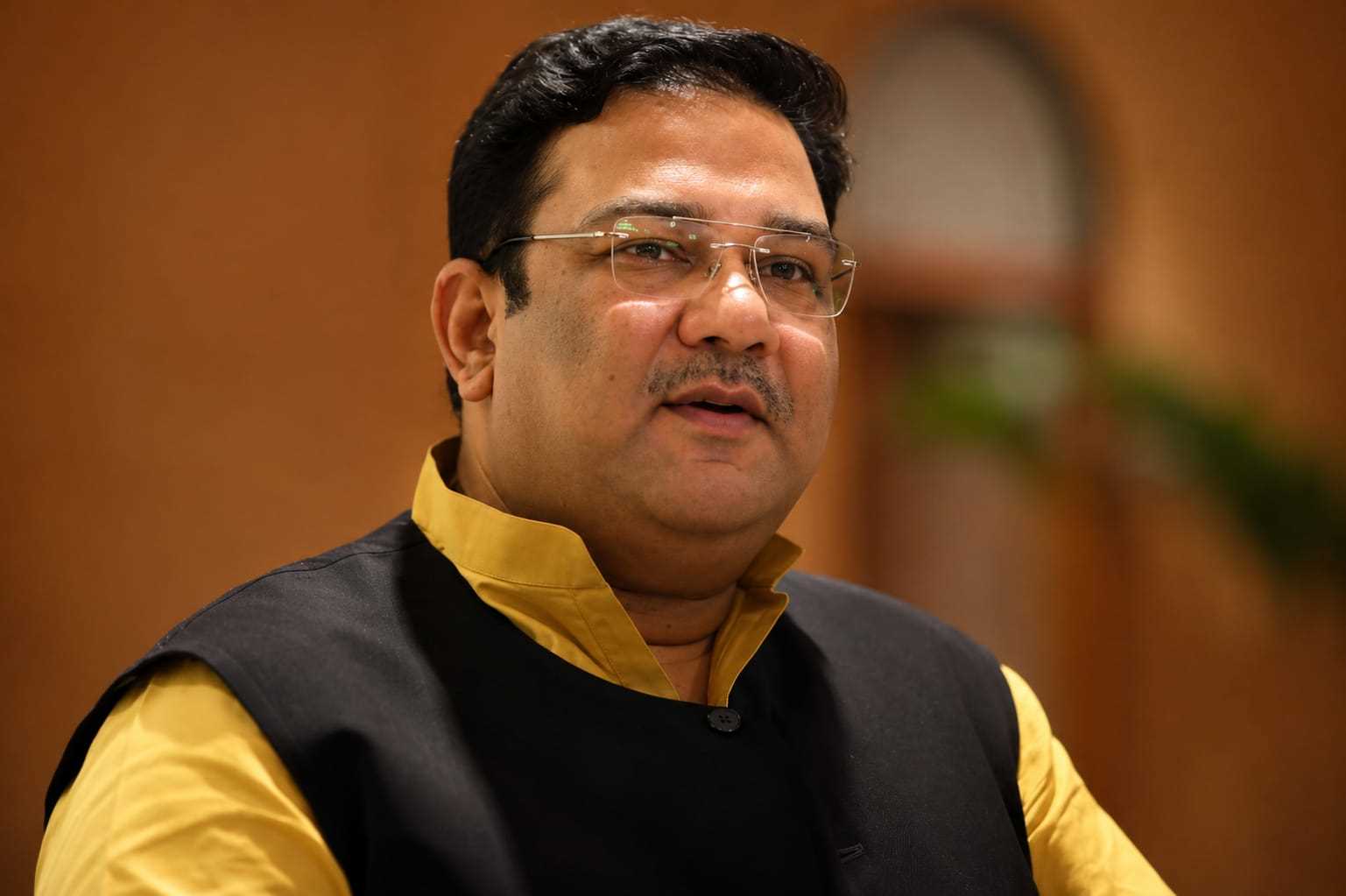
In a world where questions of religion, identity and belonging often become intertwined with political arguments, Dr Mohanji Rao Bhagwat’s recent remarks in New York raise a set of ideas worth exploring with an open mind. His emphasis on religious harmony, human dignity and equal respect is a reminder that diversity is a part of India’s social character. His words provide an opportunity to understand the broader human values being articulated. One of the most significant aspects of his message was the clear assertion that no community should feel that it has no place in Bharat. In responding to the question of what the idea of a Hindu Rashtra would mean for Muslims, he made it clear that driving Muslims out of the country is not consistent with Hindutva. This is an important clarification because it directly addresses one of the anxieties that frequently enters public discussions about Hindu identity and nationalism.
The idea that every human being possesses dignity is perhaps the most powerful element of this worldview. The emphasis on there being no fundamental difference between human beings is a simple yet profound foundation for social harmony. In a country as diverse as India, where people belong to different faiths, languages, traditions and cultural backgrounds, such an understanding can be a bridge between communities. His assertion that all paths ultimately lead towards the same goal reflects an inclusive understanding of spirituality. India’s civilisation has never been confined to one narrow religious tradition. Its history has witnessed different philosophical schools, faiths and practices living alongside one another. The recognition of this plurality can help create a society where people do not have to surrender their own identity in order to respect someone else’s.
Particularly noteworthy was the statement that if a person claiming to be Hindu believes that Muslims should not exist in Bharat, such a person is moving away from the very spirit of Hindutva. This is a strong moral position. It places responsibility on individuals to ensure that their understanding of their own tradition does not become an excuse for hatred or exclusion. Such an approach ought to be appreciated because it rejects communal hostility at its very foundation. The example of RSS volunteers helping victims after the 1996 mid-air collision at Dadri further provided a practical dimension to this philosophy. According to the account shared in New York, volunteers reached the site, helped the wounded, recovered bodies and assisted with last rites without making religious distinctions. The significance of such an example lies precisely in the fact that humanity came before identity.
This principle is easy to express but much harder to practise. In moments of tragedy, fear and confusion, people can instinctively retreat into familiar identities. Helping another human being without first asking which religion he or she belongs to requires a deeper sense of compassion. The example therefore illustrates how the idea of social harmony can become meaningful when translated into action. Another important point was the emphasis on service without expectation of personal return. The thought that one should serve society without constantly seeking recognition or publicity represents an old Indian ethical ideal. Genuine service is at its best when the person helping another does not calculate what he or she will receive in return. That spirit of selfless contribution can strengthen social trust in ways that political arguments cannot.
There is also something refreshing about bringing the discussion back from political competition to human relationships. Religious communities are not abstract categories; they are made up of families, neighbours, colleagues, students, workers and friends who share everyday life. The health of a nation ultimately depends on how these ordinary relationships function. A philosophy that encourages people to see one another first as fellow human beings has considerable value in this context.
India’s strength has always been its ability to accommodate difference without necessarily demanding uniformity. The country’s social landscape is exceptionally diverse, yet millions of people continue to share neighbourhoods, workplaces, educational institutions and public spaces. The emphasis on equal dignity fits naturally into this lived reality. It reminds citizens that diversity does not need to become division.
The remarks also deserve attention because they challenge the tendency to understand every question through the lens of confrontation. Hindu identity and Muslim identity need not be presented as mutually hostile categories. A confident civilisation identity should be able to extend respect to others without feeling threatened by their presence. That confidence is far more constructive than an approach based on fear or exclusion.
For many people, the most reassuring aspect is the unequivocal rejection of the idea that Muslims should be driven out of India. Whatever political debates may surround the RSS or its ideological position, this particular assertion is direct and difficult to misunderstand. It places the belonging of Indian Muslims in the moral framework of an inclusive national community rather than treating them as outsiders.
At the same time, the emphasis on Bharat is significant because it connects national identity with a civilisation understanding rather than with political boundaries. The word carries emotional and historical meaning for millions of Indians. When that idea of Bharat is combined with human dignity and equal belonging, it can become an expression of national unity rather than exclusion.
The account of service during tragedy also underlines another valuable principle: the true test of an organisation or an ideology is not only what it says but what its members do when society needs them. Human beings facing grief do not need ideological arguments; they need someone to help them. The willingness to stand beside victims, irrespective of their faith, represents a form of patriotism rooted in compassion.
There is considerable value, therefore, in appreciating the humane dimension of these remarks rather than immediately placing them within the familiar political binaries of left and right, majority and minority, or supporter and critic. Public figures can and should be critically examined, but every serious statement should be evaluated on the values it actually expresses. In this instance, the emphasis on harmony, dignity, coexistence and service offers a constructive basis for discussion.
The larger message is especially relevant for the younger generation. India’s future will not be shaped only by governments, institutions and political parties; it will be shaped by how young Indians understand one another. If they learn to respect different faiths while remaining deeply connected to their own cultural traditions, the country can move towards a more confident and harmonious society. The principle that one’s own identity does not require hatred of another is an especially valuable lesson.
Ultimately, the New York remarks provide a reminder that nationalism need not be defined through exclusion and that religious identity need not become a source of hostility. The insistence on human dignity and the rejection of discrimination against Muslims present a vision of Bharat in which service and coexistence can stand alongside cultural rootedness. That is a message worth acknowledging and encouraging, particularly in an age when public discourse can so easily become polarised.
What stands out most is the simplicity of the underlying thought: one can be firmly rooted in one’s own tradition while respecting the dignity and presence of others. That principle does not weaken a nation; it can make the nation stronger. The emphasis placed by Mohan Bhagwat on harmony, service and equal human worth deserves appreciation because these are values that can bring people closer together. In a diverse Bharat, that spirit of mutual respect is not merely desirable but essential for building a confident, peaceful and united society.
Email:----------------------- profjasimmd@gmail.com
The idea that every human being possesses dignity is perhaps the most powerful element of this worldview. The emphasis on there being no fundamental difference between human beings is a simple yet profound foundation for social harmony
In a world where questions of religion, identity and belonging often become intertwined with political arguments, Dr Mohanji Rao Bhagwat’s recent remarks in New York raise a set of ideas worth exploring with an open mind. His emphasis on religious harmony, human dignity and equal respect is a reminder that diversity is a part of India’s social character. His words provide an opportunity to understand the broader human values being articulated. One of the most significant aspects of his message was the clear assertion that no community should feel that it has no place in Bharat. In responding to the question of what the idea of a Hindu Rashtra would mean for Muslims, he made it clear that driving Muslims out of the country is not consistent with Hindutva. This is an important clarification because it directly addresses one of the anxieties that frequently enters public discussions about Hindu identity and nationalism.
The idea that every human being possesses dignity is perhaps the most powerful element of this worldview. The emphasis on there being no fundamental difference between human beings is a simple yet profound foundation for social harmony. In a country as diverse as India, where people belong to different faiths, languages, traditions and cultural backgrounds, such an understanding can be a bridge between communities. His assertion that all paths ultimately lead towards the same goal reflects an inclusive understanding of spirituality. India’s civilisation has never been confined to one narrow religious tradition. Its history has witnessed different philosophical schools, faiths and practices living alongside one another. The recognition of this plurality can help create a society where people do not have to surrender their own identity in order to respect someone else’s.
Particularly noteworthy was the statement that if a person claiming to be Hindu believes that Muslims should not exist in Bharat, such a person is moving away from the very spirit of Hindutva. This is a strong moral position. It places responsibility on individuals to ensure that their understanding of their own tradition does not become an excuse for hatred or exclusion. Such an approach ought to be appreciated because it rejects communal hostility at its very foundation. The example of RSS volunteers helping victims after the 1996 mid-air collision at Dadri further provided a practical dimension to this philosophy. According to the account shared in New York, volunteers reached the site, helped the wounded, recovered bodies and assisted with last rites without making religious distinctions. The significance of such an example lies precisely in the fact that humanity came before identity.
This principle is easy to express but much harder to practise. In moments of tragedy, fear and confusion, people can instinctively retreat into familiar identities. Helping another human being without first asking which religion he or she belongs to requires a deeper sense of compassion. The example therefore illustrates how the idea of social harmony can become meaningful when translated into action. Another important point was the emphasis on service without expectation of personal return. The thought that one should serve society without constantly seeking recognition or publicity represents an old Indian ethical ideal. Genuine service is at its best when the person helping another does not calculate what he or she will receive in return. That spirit of selfless contribution can strengthen social trust in ways that political arguments cannot.
There is also something refreshing about bringing the discussion back from political competition to human relationships. Religious communities are not abstract categories; they are made up of families, neighbours, colleagues, students, workers and friends who share everyday life. The health of a nation ultimately depends on how these ordinary relationships function. A philosophy that encourages people to see one another first as fellow human beings has considerable value in this context.
India’s strength has always been its ability to accommodate difference without necessarily demanding uniformity. The country’s social landscape is exceptionally diverse, yet millions of people continue to share neighbourhoods, workplaces, educational institutions and public spaces. The emphasis on equal dignity fits naturally into this lived reality. It reminds citizens that diversity does not need to become division.
The remarks also deserve attention because they challenge the tendency to understand every question through the lens of confrontation. Hindu identity and Muslim identity need not be presented as mutually hostile categories. A confident civilisation identity should be able to extend respect to others without feeling threatened by their presence. That confidence is far more constructive than an approach based on fear or exclusion.
For many people, the most reassuring aspect is the unequivocal rejection of the idea that Muslims should be driven out of India. Whatever political debates may surround the RSS or its ideological position, this particular assertion is direct and difficult to misunderstand. It places the belonging of Indian Muslims in the moral framework of an inclusive national community rather than treating them as outsiders.
At the same time, the emphasis on Bharat is significant because it connects national identity with a civilisation understanding rather than with political boundaries. The word carries emotional and historical meaning for millions of Indians. When that idea of Bharat is combined with human dignity and equal belonging, it can become an expression of national unity rather than exclusion.
The account of service during tragedy also underlines another valuable principle: the true test of an organisation or an ideology is not only what it says but what its members do when society needs them. Human beings facing grief do not need ideological arguments; they need someone to help them. The willingness to stand beside victims, irrespective of their faith, represents a form of patriotism rooted in compassion.
There is considerable value, therefore, in appreciating the humane dimension of these remarks rather than immediately placing them within the familiar political binaries of left and right, majority and minority, or supporter and critic. Public figures can and should be critically examined, but every serious statement should be evaluated on the values it actually expresses. In this instance, the emphasis on harmony, dignity, coexistence and service offers a constructive basis for discussion.
The larger message is especially relevant for the younger generation. India’s future will not be shaped only by governments, institutions and political parties; it will be shaped by how young Indians understand one another. If they learn to respect different faiths while remaining deeply connected to their own cultural traditions, the country can move towards a more confident and harmonious society. The principle that one’s own identity does not require hatred of another is an especially valuable lesson.
Ultimately, the New York remarks provide a reminder that nationalism need not be defined through exclusion and that religious identity need not become a source of hostility. The insistence on human dignity and the rejection of discrimination against Muslims present a vision of Bharat in which service and coexistence can stand alongside cultural rootedness. That is a message worth acknowledging and encouraging, particularly in an age when public discourse can so easily become polarised.
What stands out most is the simplicity of the underlying thought: one can be firmly rooted in one’s own tradition while respecting the dignity and presence of others. That principle does not weaken a nation; it can make the nation stronger. The emphasis placed by Mohan Bhagwat on harmony, service and equal human worth deserves appreciation because these are values that can bring people closer together. In a diverse Bharat, that spirit of mutual respect is not merely desirable but essential for building a confident, peaceful and united society.
Email:----------------------- profjasimmd@gmail.com

© Copyright 2023 brighterkashmir.com All Rights Reserved. Quantum Technologies