
BREAKING NEWS
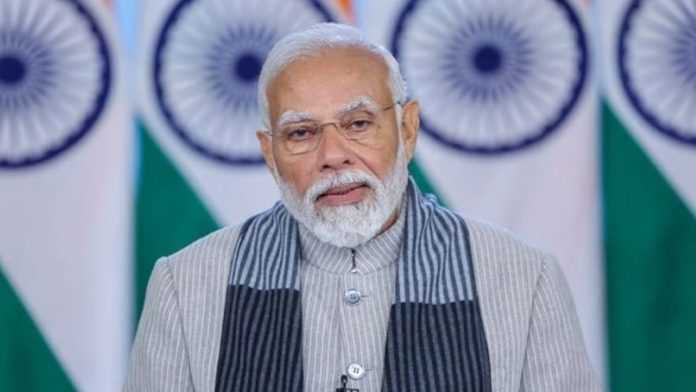
Prime Minister Narendra Modi’s visit to the Jammu and Kashmir pavilion at Bharat Parv in Gujarat is more than a ceremonial stop. His keen interest in Basohli paintings, saffron, Pashmina and Sozni embroidery sends a powerful message about the cultural wealth and tourism potential of Jammu and Kashmir. At a time when destinations compete for global attention, such high-profile recognition can give the region’s traditional crafts and tourism industry a valuable push. Modi has repeatedly shown interest in Jammu and Kashmir, its heritage, handicrafts, natural beauty and cultural identity. His public appreciation of the region’s products and traditions helps bring them into the national spotlight. In many ways, he has emerged as an informal brand ambassador for J&K tourism, giving visibility to a destination whose appeal extends far beyond its picturesque landscapes. Kashmir is not merely a place of mountains, lakes and snow-covered valleys. It is a living civilisation shaped by centuries of craftsmanship, spirituality, hospitality and artistic excellence. Basohli paintings carry a distinctive artistic legacy, Pashmina represents unmatched finesse, Sozni embroidery reflects generations of painstaking skill, while saffron remains one of the region’s most prized agricultural products. These are not simply commodities; they are symbols of identity and cultural continuity. The Prime Minister’s interest should be converted into a sustained opportunity. Greater national and international promotion of these products can strengthen the livelihoods of artisans, weavers, farmers and small entrepreneurs. The government must complement such visibility with better market access, quality certification, geographical indication protection, modern packaging and stronger digital platforms. Artisans should receive fair prices, while counterfeit products must be discouraged through strict monitoring. Tourism, too, needs a comprehensive approach. Jammu and Kashmir has immense potential for heritage tourism, spiritual journeys, adventure activities, rural tourism and cultural experiences. Visitors should be encouraged to explore not only Srinagar and Gulmarg but also lesser-known destinations across Jammu, Kashmir and the Chenab Valley. Better connectivity, responsible infrastructure, cleanliness and reliable tourist services are essential to sustain this growth. The Prime Minister’s repeated gestures of appreciation can help reshape perceptions and inspire confidence among visitors. But publicity alone cannot build a tourism economy. It must be supported by consistent policy, investment, safety, hospitality and community participation. Jammu and Kashmir deserves to be promoted not merely as a scenic destination but as a complete cultural and tourism experience. Modi’s interest offers a valuable platform. The challenge is to turn that attention into lasting economic gains, stronger artisan livelihoods and a tourism brand recognised across the world.
Prime Minister Narendra Modi’s visit to the Jammu and Kashmir pavilion at Bharat Parv in Gujarat is more than a ceremonial stop. His keen interest in Basohli paintings, saffron, Pashmina and Sozni embroidery sends a powerful message about the cultural wealth and tourism potential of Jammu and Kashmir. At a time when destinations compete for global attention, such high-profile recognition can give the region’s traditional crafts and tourism industry a valuable push. Modi has repeatedly shown interest in Jammu and Kashmir, its heritage, handicrafts, natural beauty and cultural identity. His public appreciation of the region’s products and traditions helps bring them into the national spotlight. In many ways, he has emerged as an informal brand ambassador for J&K tourism, giving visibility to a destination whose appeal extends far beyond its picturesque landscapes. Kashmir is not merely a place of mountains, lakes and snow-covered valleys. It is a living civilisation shaped by centuries of craftsmanship, spirituality, hospitality and artistic excellence. Basohli paintings carry a distinctive artistic legacy, Pashmina represents unmatched finesse, Sozni embroidery reflects generations of painstaking skill, while saffron remains one of the region’s most prized agricultural products. These are not simply commodities; they are symbols of identity and cultural continuity. The Prime Minister’s interest should be converted into a sustained opportunity. Greater national and international promotion of these products can strengthen the livelihoods of artisans, weavers, farmers and small entrepreneurs. The government must complement such visibility with better market access, quality certification, geographical indication protection, modern packaging and stronger digital platforms. Artisans should receive fair prices, while counterfeit products must be discouraged through strict monitoring. Tourism, too, needs a comprehensive approach. Jammu and Kashmir has immense potential for heritage tourism, spiritual journeys, adventure activities, rural tourism and cultural experiences. Visitors should be encouraged to explore not only Srinagar and Gulmarg but also lesser-known destinations across Jammu, Kashmir and the Chenab Valley. Better connectivity, responsible infrastructure, cleanliness and reliable tourist services are essential to sustain this growth. The Prime Minister’s repeated gestures of appreciation can help reshape perceptions and inspire confidence among visitors. But publicity alone cannot build a tourism economy. It must be supported by consistent policy, investment, safety, hospitality and community participation. Jammu and Kashmir deserves to be promoted not merely as a scenic destination but as a complete cultural and tourism experience. Modi’s interest offers a valuable platform. The challenge is to turn that attention into lasting economic gains, stronger artisan livelihoods and a tourism brand recognised across the world.

© Copyright 2023 brighterkashmir.com All Rights Reserved. Quantum Technologies