
BREAKING NEWS
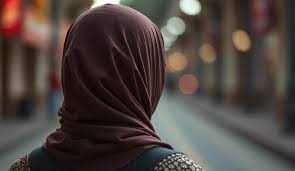
The Burkha is not a threat to progress. The real threat is a culture that fears choices it does not understand. A society that cannot tolerate difference is not modern; it is merely uniform
In a nation battling unemployment, environmental collapse, gender violence, and educational inequality, it is striking how often public discourse returns to one narrow obsession: women’s clothing. Fabric becomes a battlefield, plus appearance has become a proxy for morality. This fixation reveals a deeper crisis, not exactly cultural, but rather of power. The real question is not what women wear, but who believes they have the authority to decide.
In contemporary society, freedom is frequently defined by visibility. The more one reveals, the more one is perceived as liberated. But, why does this logic collapse when confronted with a woman who chooses to cover herself? When women wear short clothes, society may stare, but it rarely doubts their right to choose. When women wear a Burkha, their autonomy is immediately questioned. This selective acceptance exposes an uncomfortable truth: we support freedom only when it resembles our own preferences.
The Burkha is often portrayed as a symbol of silence. In reality, it can represent a deliberate boundary and an assertion of control in a world that constantly consumes and judges women’s bodies. Choosing how to appear in public is an act of self‑definition. It should not be called submission, because it is ownership of a woman. It cannot be conditional. If a woman is celebrated for revealing her body but interrogated for concealing it, then freedom has become a performance rather than a principle. Equality cannot survive on selective validation. It must protect all choices, not only those that are socially comfortable.
The hostility towards the Burkha does not emerge from concern for women’s rights; it arises from discomfort with difference. Societies often mistake uniformity for progress. Anything that challenges dominant norms is quickly labelled regressive, even when it is freely chosen.
This reaction reveals a deeper impulse to control. By defining what “modern” should look like, society turns individuality into a problem to be corrected. The burkha, then, becomes less about clothing and more about resistance to cultural conformity.
In December 2025, this tension became visible in a disturbing way. At a government event in Patna, Chief Minister Nitish Kumar was recorded gesturing towards the face veil of a woman doctor, Dr. Nusrat Parveen, and briefly pulling it down while handing her an appointment letter. The moment went viral and sparked nationwide debate.
Many viewed the act as a violation of personal dignity and bodily autonomy. Legal complaints were reportedly sought in several states, while others attempted to justify the action as a matter of identification. Dr. Parveen initially expressed distress and reluctance to join her post, citing humiliation, though she later accepted the position after her deadline was extended.
This incident was not merely about one leader and one citizen. It reflected a broader assumption, that authority grants permission to cross personal boundaries. When those in power feel entitled to regulate appearance, they redefine governance as supervision rather than service. India’s Constitution guarantees equality, freedom of expression, and the right to personal liberty. These rights are not decorative ideals; they are enforceable promises. The freedom to choose one’s attire is a natural extension of these guarantees.
A democracy does not thrive by enforcing sameness. It thrives by protecting difference. When social pressure or political commentary dictates personal choices, the constitutional vision of liberty begins to erode. The solution lies not in control, but in conversation. Society must replace assumptions with dialogue, stereotypes with understanding, and judgment with empathy. _Women must be recognised not as symbols of ideology, but as individuals with agency.
Workshops and awareness programmes are essential not for instructing women how to dress, but to educate society on consent, dignity, and diversity. Educational institutions, media organisations, and leadership platforms must challenge the idea that freedom has a single acceptable appearance. The Burkha is not a threat to progress. The real threat is a culture that fears choices it does not understand. A society that cannot tolerate difference is not modern; it is merely uniform.
Freedom does not mean forcing everyone to look alike. It means allowing everyone to exist without fear. And until we accept that, no declaration of equality will ever be complete.
Email:------------------------umeedrashid21@gmail.com
The Burkha is not a threat to progress. The real threat is a culture that fears choices it does not understand. A society that cannot tolerate difference is not modern; it is merely uniform
In a nation battling unemployment, environmental collapse, gender violence, and educational inequality, it is striking how often public discourse returns to one narrow obsession: women’s clothing. Fabric becomes a battlefield, plus appearance has become a proxy for morality. This fixation reveals a deeper crisis, not exactly cultural, but rather of power. The real question is not what women wear, but who believes they have the authority to decide.
In contemporary society, freedom is frequently defined by visibility. The more one reveals, the more one is perceived as liberated. But, why does this logic collapse when confronted with a woman who chooses to cover herself? When women wear short clothes, society may stare, but it rarely doubts their right to choose. When women wear a Burkha, their autonomy is immediately questioned. This selective acceptance exposes an uncomfortable truth: we support freedom only when it resembles our own preferences.
The Burkha is often portrayed as a symbol of silence. In reality, it can represent a deliberate boundary and an assertion of control in a world that constantly consumes and judges women’s bodies. Choosing how to appear in public is an act of self‑definition. It should not be called submission, because it is ownership of a woman. It cannot be conditional. If a woman is celebrated for revealing her body but interrogated for concealing it, then freedom has become a performance rather than a principle. Equality cannot survive on selective validation. It must protect all choices, not only those that are socially comfortable.
The hostility towards the Burkha does not emerge from concern for women’s rights; it arises from discomfort with difference. Societies often mistake uniformity for progress. Anything that challenges dominant norms is quickly labelled regressive, even when it is freely chosen.
This reaction reveals a deeper impulse to control. By defining what “modern” should look like, society turns individuality into a problem to be corrected. The burkha, then, becomes less about clothing and more about resistance to cultural conformity.
In December 2025, this tension became visible in a disturbing way. At a government event in Patna, Chief Minister Nitish Kumar was recorded gesturing towards the face veil of a woman doctor, Dr. Nusrat Parveen, and briefly pulling it down while handing her an appointment letter. The moment went viral and sparked nationwide debate.
Many viewed the act as a violation of personal dignity and bodily autonomy. Legal complaints were reportedly sought in several states, while others attempted to justify the action as a matter of identification. Dr. Parveen initially expressed distress and reluctance to join her post, citing humiliation, though she later accepted the position after her deadline was extended.
This incident was not merely about one leader and one citizen. It reflected a broader assumption, that authority grants permission to cross personal boundaries. When those in power feel entitled to regulate appearance, they redefine governance as supervision rather than service. India’s Constitution guarantees equality, freedom of expression, and the right to personal liberty. These rights are not decorative ideals; they are enforceable promises. The freedom to choose one’s attire is a natural extension of these guarantees.
A democracy does not thrive by enforcing sameness. It thrives by protecting difference. When social pressure or political commentary dictates personal choices, the constitutional vision of liberty begins to erode. The solution lies not in control, but in conversation. Society must replace assumptions with dialogue, stereotypes with understanding, and judgment with empathy. _Women must be recognised not as symbols of ideology, but as individuals with agency.
Workshops and awareness programmes are essential not for instructing women how to dress, but to educate society on consent, dignity, and diversity. Educational institutions, media organisations, and leadership platforms must challenge the idea that freedom has a single acceptable appearance. The Burkha is not a threat to progress. The real threat is a culture that fears choices it does not understand. A society that cannot tolerate difference is not modern; it is merely uniform.
Freedom does not mean forcing everyone to look alike. It means allowing everyone to exist without fear. And until we accept that, no declaration of equality will ever be complete.
Email:------------------------umeedrashid21@gmail.com

© Copyright 2023 brighterkashmir.com All Rights Reserved. Quantum Technologies