
BREAKING NEWS
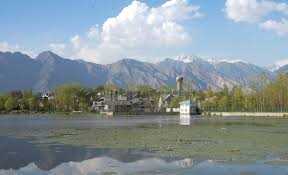
Srinagar, Mar 2: The Chatlam Wetland near Srinagar, an important habitat for millions of migratory birds, is facing a growing ecological crisis due to shrinking water bodies and rising pollution levels. Environmentalists warn that continued degradation could lead to severe biodiversity loss in the region.
Birdwatchers and conservationists, including Seerat Ul Nisa, have been actively educating local youth about the significance of wetlands and the urgent need for conservation. “These wetlands are not just resting grounds for migratory birds; they are vital for ecological balance, water purification, and supporting local livelihoods,” she said.
Scientists have expressed concern that unregulated urban expansion, untreated sewage, and waste dumping are accelerating habitat loss. Surveys indicate a sharp decline in the population of key migratory species, including ducks, herons, and waders, which rely on Chatlam as a seasonal refuge.
Efforts at nearby protected sites, such as Hokersar Wetland, have shown that restoration and strict protection measures can improve bird populations and water quality. Experts suggest that declaring Chatlam as a Ramsar site—a designation for wetlands of international importance—could provide stronger legal protection, attract conservation funding, and promote sustainable management.
Local authorities have been urged to implement stricter pollution control measures, prevent encroachment, and engage communities in active monitoring. Conservationists emphasize that safeguarding wetlands like Chatlam is critical not only for migratory birds but also for preserving Kashmir’s fragile ecosystem and ensuring long-term environmental resilience.
With coordinated action, awareness programs, and international recognition, Chatlam Wetland can be restored to serve as a thriving habitat for migratory birds for generations to come.
Srinagar, Mar 2: The Chatlam Wetland near Srinagar, an important habitat for millions of migratory birds, is facing a growing ecological crisis due to shrinking water bodies and rising pollution levels. Environmentalists warn that continued degradation could lead to severe biodiversity loss in the region.
Birdwatchers and conservationists, including Seerat Ul Nisa, have been actively educating local youth about the significance of wetlands and the urgent need for conservation. “These wetlands are not just resting grounds for migratory birds; they are vital for ecological balance, water purification, and supporting local livelihoods,” she said.
Scientists have expressed concern that unregulated urban expansion, untreated sewage, and waste dumping are accelerating habitat loss. Surveys indicate a sharp decline in the population of key migratory species, including ducks, herons, and waders, which rely on Chatlam as a seasonal refuge.
Efforts at nearby protected sites, such as Hokersar Wetland, have shown that restoration and strict protection measures can improve bird populations and water quality. Experts suggest that declaring Chatlam as a Ramsar site—a designation for wetlands of international importance—could provide stronger legal protection, attract conservation funding, and promote sustainable management.
Local authorities have been urged to implement stricter pollution control measures, prevent encroachment, and engage communities in active monitoring. Conservationists emphasize that safeguarding wetlands like Chatlam is critical not only for migratory birds but also for preserving Kashmir’s fragile ecosystem and ensuring long-term environmental resilience.
With coordinated action, awareness programs, and international recognition, Chatlam Wetland can be restored to serve as a thriving habitat for migratory birds for generations to come.

© Copyright 2023 brighterkashmir.com All Rights Reserved. Quantum Technologies